Video Make budgeting for healthcare easier
Discover how businesses are funding healthcare with predictable payments and potential surplus.
Follow Us
© 2026 Arizent. All rights reserved.

Discover how businesses are funding healthcare with predictable payments and potential surplus.
To truly flip the script on metabolic disease, benefit leaders must build a cost-efficient, supportive plan for employees and their business.

Communication, customization and connection with employees help to boost awareness and understanding of company offerings.
As salary budgets aren't expected to grow in 2027, employers are looking for new ways to attract and retain workers through smarter compensation and workforce strategies.


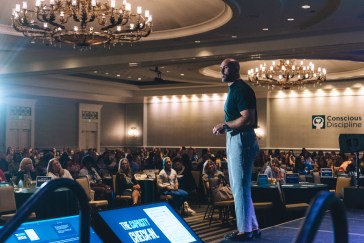
Former pro linebacker and Army officer Caleb Campbell shares his experience managing pressure and why long-term success requires comprehensive support.
Providing working parents with time and resources to care for their children during times of illness offers returns in the forms of productivity and retention.
Employees are embracing AI for money guidance, but new research finds they still want trusted human assistance and personalized tools that connect their full financial picture.

Cash-balance plans lead the way in groundswell of support for offering a more meaningful approach to generating retirement income for cash-strapped workers.


Providing better access to primary care providers is key to cutting down on workers' serious medical conditions and encouraging a better quality of life.

Benefits that effectively support employee caregivers have a dramatic impact on their ability to remain healthy and productive at work.
Even high-income employees are uncertain about where to put their next dollar, highlighting the need for workplace guidance on financial wellness.

A Bank of America report reveals a disconnect between employers and employees on fiscal wellness, while educational programs can improve retention and engagement.

When a level-funded stop-loss corridor, ICHRA contribution strategy and captive loss fund can be assessed against claims data, brokers become interpreters.
Some ultrahigh net worth clients would be affected by a change to retirement plan contribution and distribution rules that's under consideration in Congress.

Return-to-office mandates require clear communication, supportive benefits, and a big helping of trust.


Determining human involvement is crucial, but so is assessing how AI is being trained in the area of disability, leave and accommodation rights.
New NFP research finds 72% of workers are behind on retirement as rising costs, competing priorities, and financial stress make saving harder.

Employers need to rethink how they support women through the benefits and life challenges that make staying at work difficult.


A new TIAA study finds many retired workers wish they had saved sooner, planned for healthcare costs, and prepared for career disruptions that delayed or reshaped retirement.

As the scope of gene therapy grows, understanding their impact and cost can help organizations decide how to cover them through their healthcare plans.