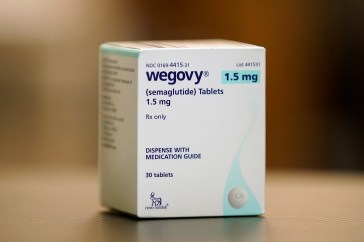
Prices are soaring for specialty drugs used to treat critical illnesses such as cancer, Hepatitis C and multiple sclerosis, as well as more common conditions like high cholesterol. Right now, employers are largely bearing the brunt of the cost, and health care experts and leading employer organizations like the Minnesota Health Action Group are looking for collaborative, sustainable, solutions to this challenging situation.
For reprint and licensing requests for this article, click here.
More From Employee Benefit News
Employers brace for another year of rising health benefit costs
With health benefit costs expected to rise 8.2% in 2027, employers are looking for ways to control spending without simply shifting more costs to workers.
With GLP-1s raising costs, employers are finding new ways to reduce spending
As healthcare expenses approach double-digit increases, employers are looking for savings in waste, care delivery, and plan administration before cutting benefits.
With healthcare costs jumping 9%, employers are shifting strategy
Employers face another steep rise in healthcare expenses in 2027, prompting a closer look at GLP-1 coverage, pharmacy spending and high-cost conditions.
What Trump’s ‘Great Healthcare Plan’ means for drug costs and price transparency
The legislation calls on Congress to lower prescription drug costs, shift subsidies directly to consumers, and enforce strict price transparency.
Trump’s obesity drug plan for Medicare would cost insurers billions
Only 4.4% of newly-eligible patients would be covered by the projected $900 million in savings, according to new research.