- Key Insight: Learn how benefits are shifting from accommodations to flexible, stigma-free performance enablers.
- Expert Quote: Talent exists everywhere; firms must lower barriers to unlock neurodivergent strengths — Kathryn Burdett.
- Supporting Data: Approximately one in five employees identify as neurodivergent.
- Source: Bullets generated by AI with editorial review
During a recent Leaders panel discussion, experts from Deutsche Bank, Rethink Care, and Hunter Douglas unpacked what
Watch the full conversation right here:
Many neurodivergent employees develop strong problem-solving, adaptability, and
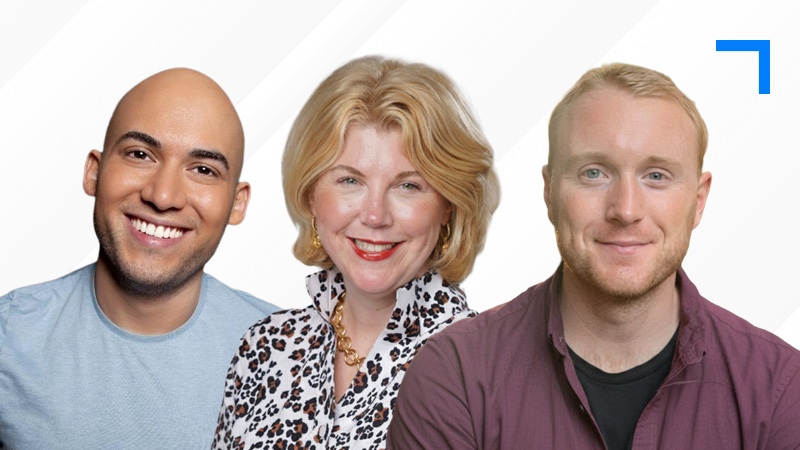
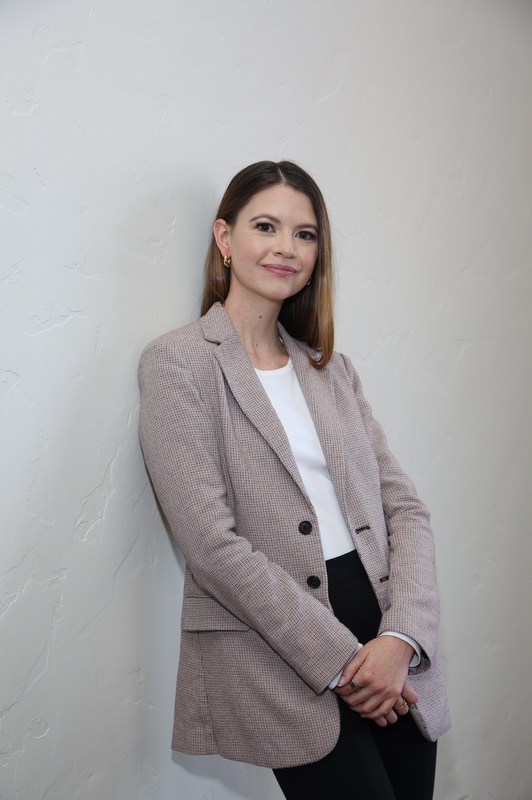
"All of our companies are looking for the best talent. We want to be high performing companies. We want to produce revenue and all of those good things," said Kathryn Burdett, Director of people experience and sustainable culture at Deutsche Bank. "It's that classic idea of talent is everywhere and opportunity is not. So how do we lower the barriers for entry so that all of our companies can get access to the right talent at the right time, and unlock the particular strengths of neurodivergent people to take advantage of the idea that great minds don't think alike?"
Read more:
From a benefits standpoint, that means rethinking traditional accommodation models. Rather than relying on formal disclosure or diagnosis-driven processes, organizations are increasingly investing in flexible, stigma-free resources that anyone can use. On-demand coaching, executive functioning support, manager education,
Psychological safety also surfaced as a recurring theme, particularly as return-to-office mandates take hold. Employees who thrived while working remotely may struggle with sensory overload, disrupted routines, or office environments that weren't built with inclusion in mind. Simple changes — like clearer meeting norms, quiet spaces, written follow-ups, and hybrid flexibility — can make a meaningful difference.
"In an environment where neurodiversity is something that's talked openly about when people feel psychologically safe, let's say for instance, they may be struggling with deadlines, a particular direct report, they can approach their manager now and say, look, I don't think I have a diagnosis, but I may be neurodivergent,"
Read more:
Perhaps most importantly, the panel reinforced a truth many benefit leaders are already seeing firsthand: Inclusive benefits don't just support neurodivergent employees — they raise the bar for the entire workforce. When companies design benefits around flexibility, personalization, and trust, everyone performs better.
As the panelists often reiterated: Great minds don't think alike. Benefits strategies shouldn't either.
Here are a few more takeaways from the discussion:
1. Design benefits that don't require disclosure.
Neurodivergent employees often hesitate to ask for accommodations due to stigma. Scalable, self-directed resources — such as coaching, digital tools, and AI-powered supports — allow employees to get help without formal diagnoses or accommodation processes.
2. Focus on executive functioning, not labels.
Challenges like time management, prioritization, and focus are common — especially during prolonged stress. Benefits that support executive functioning help neurodivergent employees demonstrate their strengths and also resonate with the broader workforce.
3. Equip managers with awareness, not expertise.
Managers don't need to be neurodiversity experts, but they do need education, referral pathways, and psychologically safe environments. Embedding inclusion concepts into existing manager training is more effective than standalone programs.
4. Inclusive benefits improve performance for everyone.
Meeting agendas, written follow-ups, flexible work options, quiet spaces, and personalized tools benefit neurodivergent employees — and make workplaces more productive and humane overall.