- Key insight: Learn how task-focused app reduces cognitive load by separating curation from execution.
- What's at stake: Unaddressed executive-function challenges risk productivity, retention, and project outcomes across organizations.
- Supporting data: More than 15 million U.S. adults have ADHD diagnoses.
- Source: Bullets generated by AI with editorial review
Task management is an
Rather than let valuable talent struggle to the point their work suffers, benefit leaders can learn what kinds of tools and resources may be helpful, and find low-lift, low-cost solutions that make a big difference.
Read more:
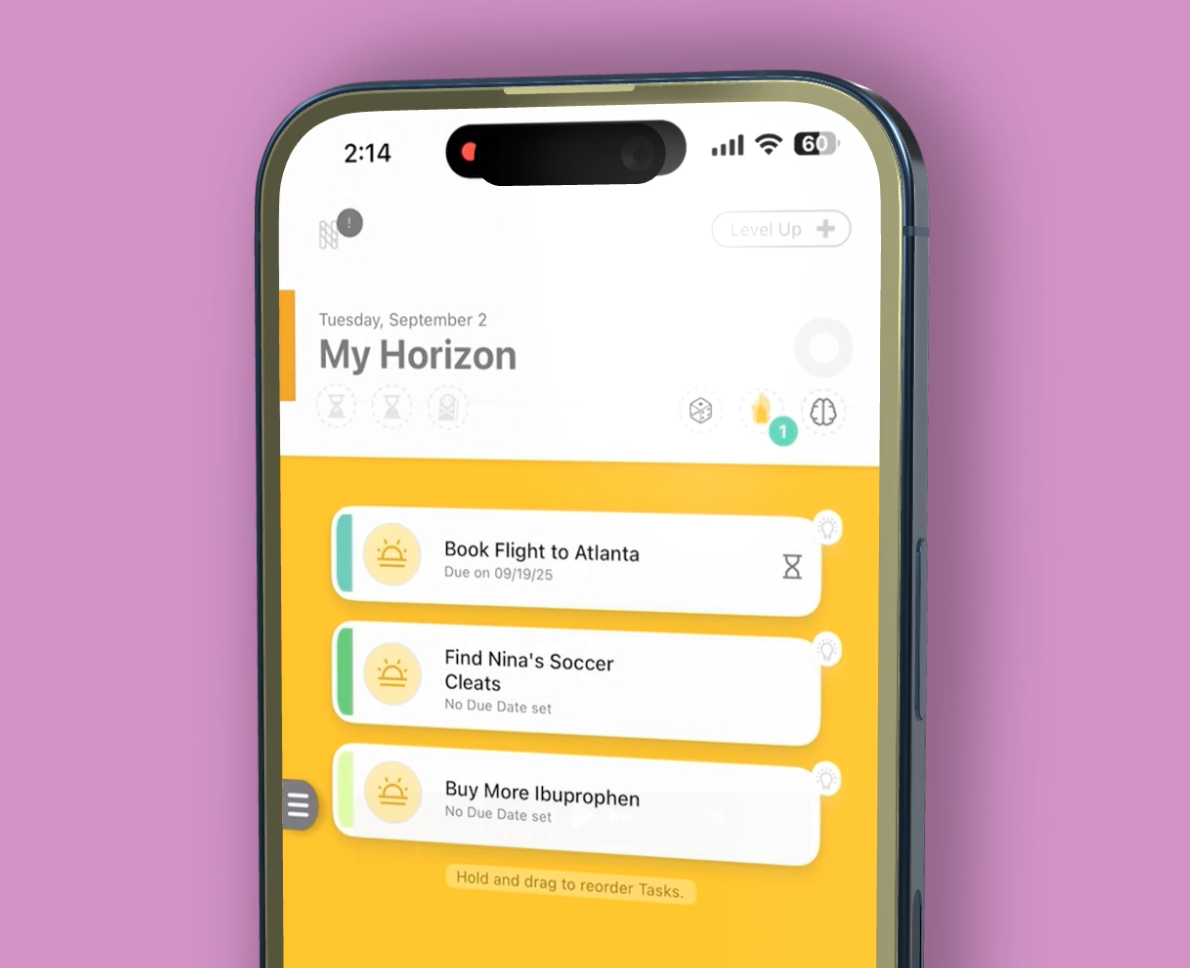
NoPlex, dubbed "the chaos management app," is designed specifically to help people with these conditions organize their daily responsibilities for a
"There was nothing that [helped with] the realities of managing your day-to-day tasks, responsibilities and routines, especially as you get older," he says. "This is an absolutely enormous global community … [and] the number of diagnoses that are happening right now is head spinning."
More than 15 million adults have an ADHD diagnosis and around one in eight experience symptoms of anxiety, according to research from the CDC. While these conditions manifest differently in individuals, they can both disrupt concentration and organization, leading to missed deadlines, stalling productivity, and derailing the chance of creating a healthy, manageable routine. Employees can suffer from poor performance and job disruption, while employers risk potential damage to projects, teams and profit.
Read more:

Benefits within EAPs, flexible work policies and understanding leadership can help employees manage these types of conditions. But offering a specialized tool can help employees better navigate their day-to-day life, in and out of the office, Canning says.
"We separate where you curate things from where you execute things," he says. "Over time, it became beloved by people with other neurodivergent conditions and comorbidities … but then people who have none of those boxes checked just use it all day because [they feel] like it's a much better way to manage life."
In addition to a tailored format for adults with ADHD and anxiety, the app also has specific tools for caregivers of loved ones with these conditions and teens managing these conditions. The basic app is free for individual consumers, or they can pay for a version that offers additional features.
Employers can purchase access to the app's full-featured version for their employees on a per seat per year basis, or contact the company to talk about other options that might be good for their workforce. Once partnered up, benefit teams have access to live support for onboarding and beyond, and employees can access the platform through their phones and computers.
Read more:
An important part of company culture
When leaders talk about and offer resources for employees with conditions like ADHD and anxiety, they are bringing awareness and demonstrating support for issues that too often go unspoken, Canning says. The number of adults being diagnosed is increasing, and employers will have a growing responsibility to provide accommodations and offerings that help.
"A lot of people who have been silently suffering suddenly have a much better understanding of why certain things … have been challenging for them," he says. "[This is something that allows] employers [to] show that they're listening and in tune with those needs."