The dos and don’ts of mental health interventions

Mental health

Organizations have been tasked with navigating the minefield of mental health challenges confronting employees. But managers should proceed with caution when it comes to offering support to their teams.

Processing Content

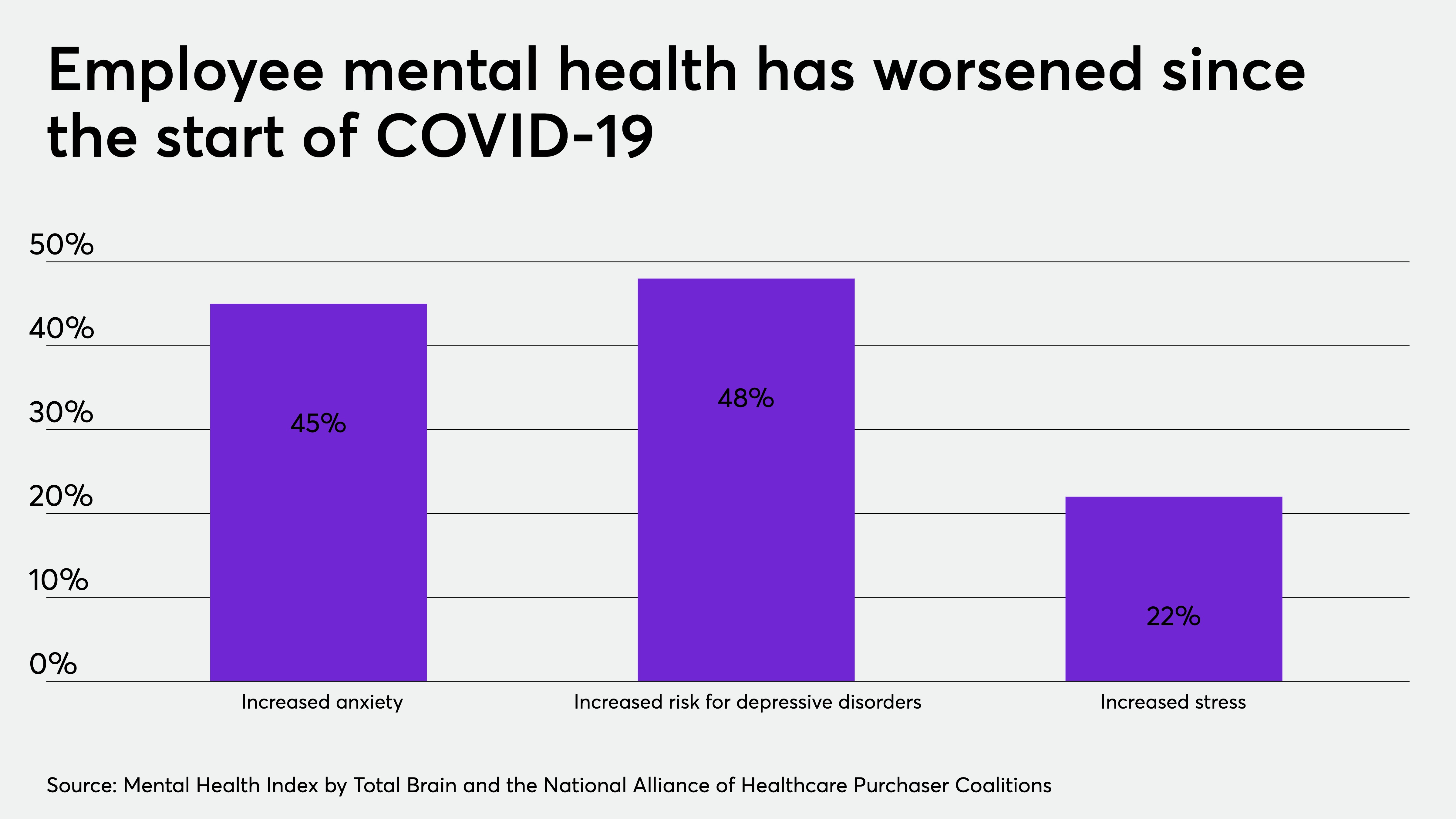
Almost half of employees say they have been struggling with a mental health issue during COVID-19, according to insurance company The Standard. Managers themselves are struggling too: 59% say they feel overworked, according to Limeade, an employee experience platform.


As remote work blurs the line between professional and private life, managers have been encouraged to share their own challenges with employees, in an effort to connect with them and alleviate their stress. However, there’s a fine line leaders should learn to tow, says Gail Golden, an organizational psychologist and author of Curating Your Life.

“Everyone is talking about bringing your whole self to work and authenticity in the workplace — I’m not a fan of that,” Golden says. “There are pieces of ourselves that don't belong in the workplace. When you're a leader, all your fears, all your anxieties, all your self doubt — it’s not smart to share all that stuff.”

Just half of employees feel comfortable discussing mental health at work and one-third of employees are concerned about the job consequences of seeking care, according to the American Psychiatric Association. But mental health issues have a direct impact on employee productivity, which means leaders are often tasked with addressing touchy issues with employees.

Read more: Why companies aren't prepared to deal with employee burnout

When navigating these scenarios, leaders need to be hyper-aware of their role, Golden says. If a manager witnesses warning signs, like poor work performance or a change in appearance, Golden recommends they focus on how to help employees improve their quality of work before probing into their emotional state.

“Very few people in management are qualified mental health professionals,” Golden says. “It’s not their job to treat people who work for them or to be a therapist for someone who works for them. The goal here is to enable the person to return to good health and good productivity.”

Managers can simply ask, “What’s going on?” to give an employee the opportunity to share, Golden says. Then they can guide employees to available resources like an EAP program or other available mental health benefits.

Managers shouldn’t ask about what is making employees depressed or what their symptoms are, Golden says. Instead, the focus should be on the worker. Managers should express concern and offer guidance.

Read more: Employees are desperate for appreciation from their managers

Sometimes, a manager may feel that divulging their own issues may help them appear more relatable and sympathetic to employees, but they need to think carefully about their end goal, Golden says.

“As a manager, if I’m going to share something about myself in the workplace, I need to be thoughtful about why,” Golden says. “Am I doing it because sharing is going to be helpful to that person, or am I doing it because I feel like talking about it and dealing with my pain? Managers need to be very conscious of what they're choosing to share because that will set the tone for the rest of the group.”


For reprint and licensing requests for this article, click here.
Mental health benefits Crisis Management Behavioral Health Workplace management
MORE FROM EMPLOYEE BENEFIT NEWS

Broader digital efforts could boost access to necessary care, address rising costs and improve health outcomes for employees.

11h ago
3 Min Read

Employees look for alternative healthcare coverage in the wake of rising premiums, sparking concern over care gaps and group plan disruption.

April 29
5 Min Read
Man's hand holding credit card near machine, paying for doctor visit

A new Modern Health survey finds most workers fear AI-related layoffs, rising stress, and increased reliance on substances to cope with workplace pressure. 

April 29
3 Min Read
Stressed businesswoman with head in hands at office desk.

The objective is to have a clear view of baseline vs. current Rx trend, documented savings tied to interventions and a reconciliation check on guarantees and rebates. 

April 29
4 Min Read
Pharmacy, healthcare and woman with box to check medical info, shelf inventory or price. Prescription medicine, stock and pharmacist reading product label for health benefits of pharmaceutical drugs.

Benefits, policies and leadership support create trusted environments that help women and businesses succeed.

April 29
5 Min Read
Group of women sitting at table in office working, talking

Employees are struggling to figure out how income, savings, employee benefits and government programs like Medicaid fit together.

April 28
3 Min Read