When and where you send open-enrollment information matters

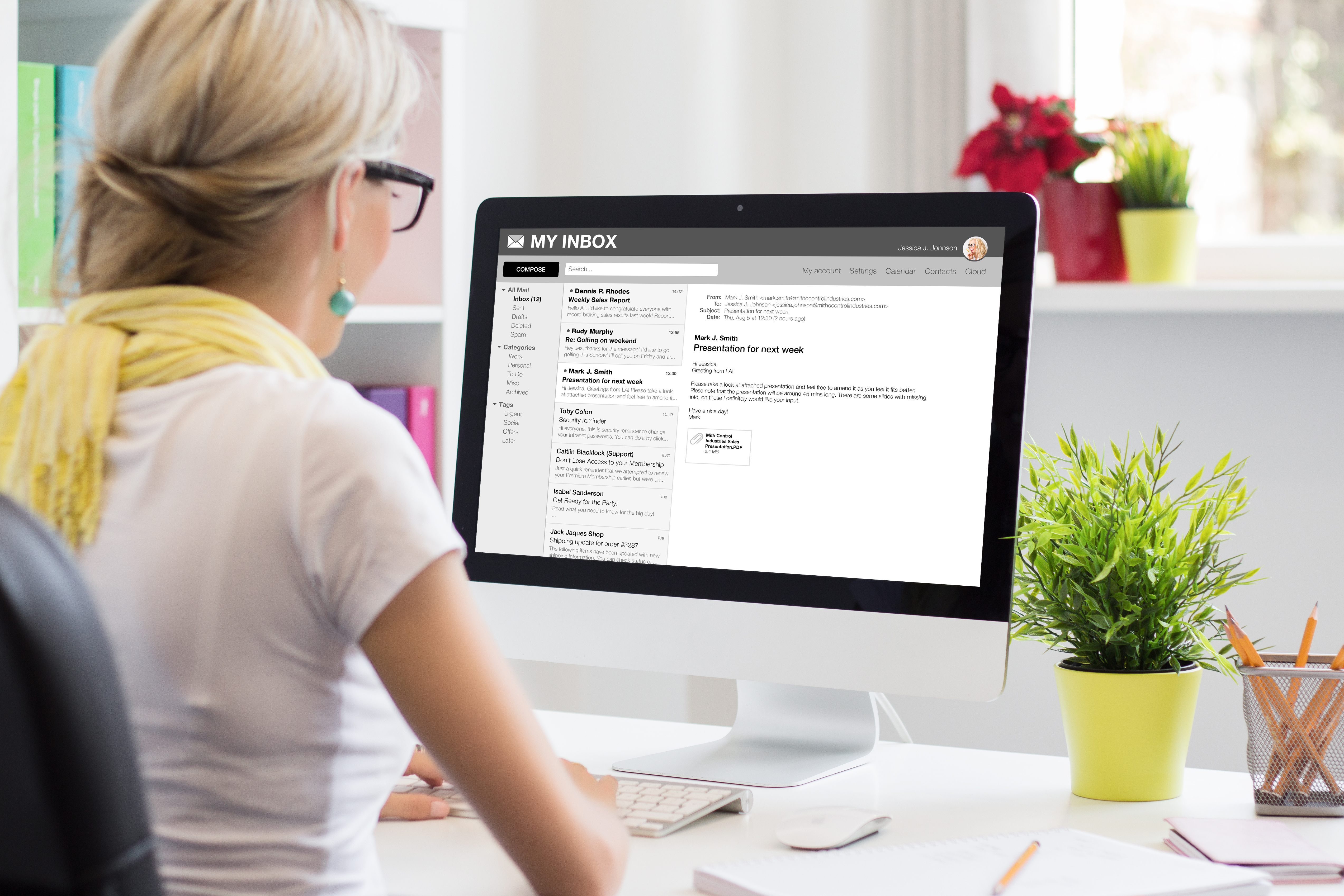
Woman checking email on computer
Adobe Stock
  • Key insight: Reliance on habit rather than strategy can hinder communications.
  • Expert quote: "Every poorly timed request adds cognitive load..." — Christina Petushenko, Sign.com
  • Forward look: Watch for HR teams to test small changes based on employee response data.
    Source: Bullets generated by AI with editorial review.

Processing Content

As open enrollment approaches, now is a good time to assess whether your current strategy for sending important and timely information is as structured and effective as it could be. 

A recent survey by electronic signature platform Sign.com of 519 employees who "regularly send, review or sign contracts" revealed that sending documents on certain days and in specific time windows improved turnaround and overall workflow. Twenty-six percent said sending documents on Monday produces the highest same-day turnaround, and 44% said between the hours of 9 a.m. and 12 p.m. is the best time to send a contract. 

Sending communications on Fridays, on the other hand, was only favored by 6% of respondents, and only 4% said emailing documents in late afternoon — between 3 p.m. and 6 p.m. — is their preference. Over half (52%) of decision-makers say teams still rely on habit, not strategy, when deciding when to send agreements. Using data to determine better practices can reduce stress and improve results, said Christina Petushenko, general manager at Sign.com. 

"It is easy to fall into the trap of sending something important right before a weekend and wondering why it stalls," she said. "Every poorly timed request adds cognitive load, and that compounds fast." 

Read more:  How AI is changing the mental health space

Direct impact on open enrollment

As critical as it is for employees to engage with benefits information, make any changes to coverage, and submit responses on time during open enrollment, benefit leaders can determine if adjusting when they communicate might improve their workflow and results. Along with timing, methods of delivery should be assessed with the goal of creating a more streamlined strategy, said Adnan Malik, co-founder and CEO of software discovery platform Software Finder.  

"HR teams should think about when employees are most likely to pay attention and which channels they use," he said. "When benefits information is scattered across emails and portals, employees are implicitly being asked to piece it all together. This approach can accidentally create confusion and make missed deadlines or incomplete enrollment more likely. By taking a coordinated approach, employees get a clearer path from learning about a benefit to using it." 

Echoing Petushenko's emphasis on using data to build a better sending schedule, Malik shares specific areas to assess. 

"Benefits leaders should look at their own communication data to form a nuanced approach to raising awareness about benefits and enrollment. For example, email open rates, portal activity, enrollment patterns, survey feedback, and questions employees submit to HR often help to identify which channels and timing work best," he explained. "HR teams can test small changes and create their communication strategy around what employees already respond to."

Open enrollment is a time for "employees to make important decisions in a fairly short window," Malik said, so "benefits teams should look at when employees are most responsive. That way,      

benefits packages won't get overlooked. Reminders and [thoughtful] delivery can make it easier for employees to take action."


For reprint and licensing requests for this article, click here.
Benefit communication Employee benefits Employee communications
MORE FROM EMPLOYEE BENEFIT NEWS
Load More