Benefits Think

The power of digitizing the paycheck

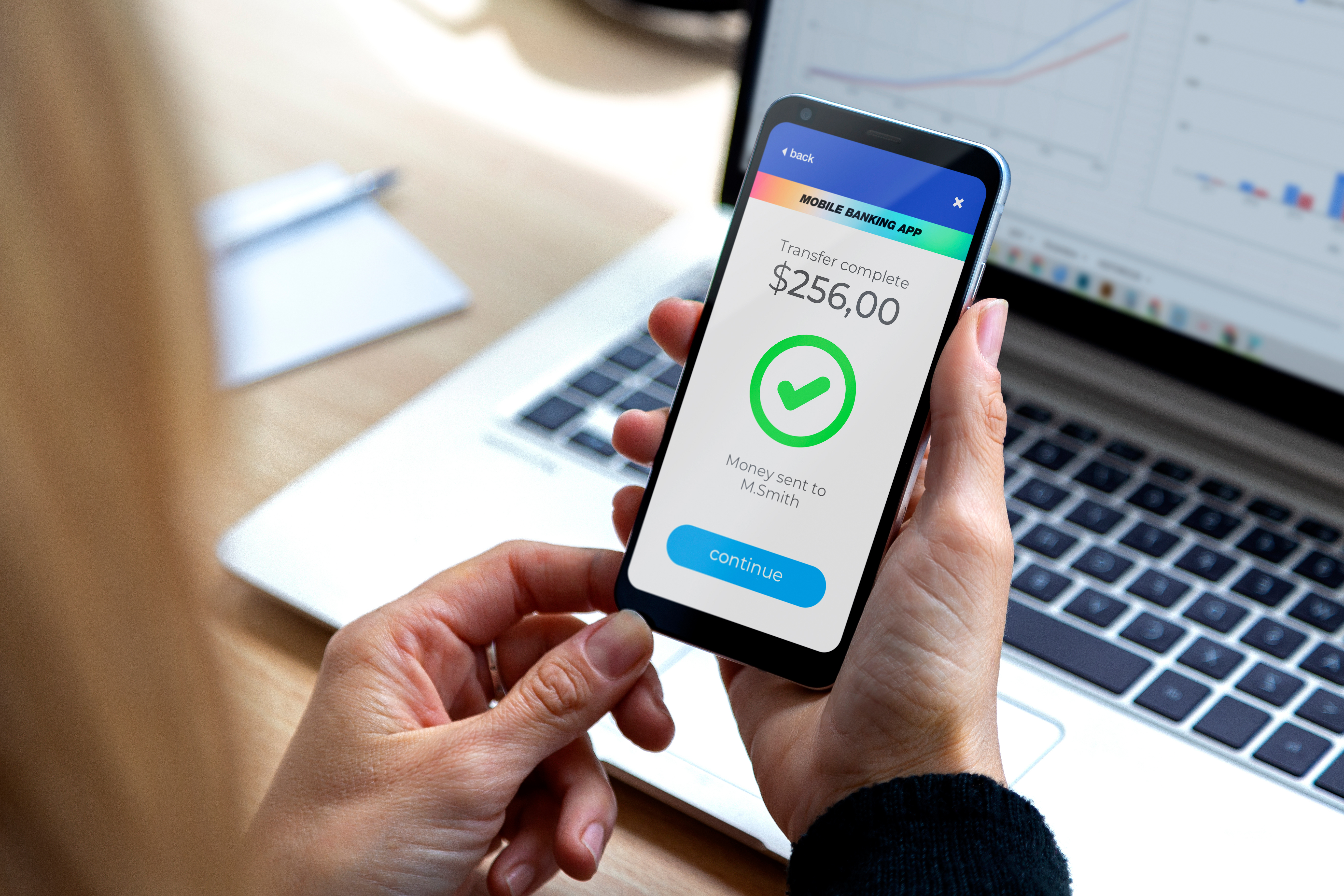
Person holding cell phone with money amount and check symbol
Adobe Stock

The American job market features a strange paradox: When workers negotiate a job offer, they talk about salary, benefits, even stock options. But they rarely have a say in when they get paid.

Processing Content

That isn't by accident. The biweekly payroll cycle was built for a world of paper ledgers and manual accounting. It was never designed for a digital economy. Today, the paycheck is a digital product, but it doesn't operate like one.

Money moves instantly almost everywhere else in our financial lives. Yet the foundation of most people's income — their paycheck — still moves on a rigid schedule built for a different century.

Read more:  Companies that invest in women outperform competition

That delay creates friction in people's financial lives. Expenses don't arrive every two weeks. If you're paid bi-weekly, six times a year, rent is due before payday. Groceries, child care, gas happen continuously, but income often does not.

When timing is out of sync, workers are forced to manage the gap, often paying overdraft fees or turning to high-cost short-term options just to access money they've already earned. The idea that people can simply borrow from friends, rely on family, or quickly access affordable small-dollar loans sounds reasonable in theory. In practice, many workers don't have that safety net, or simply can't access it when they need it most. 

But here's what often gets missed: Fixing pay timing doesn't just prevent fees. It can increase cash flow.

Research conducted by economist Jon Davis found that when workers gained access to their earnings on their own timeline, their effective monthly income increased by more than 11% on average; about $334 per month. That didn't come from a raise, but from better alignment. When people use their own money at the right time, more of what they earn stays with them.

Read more:  Most workers expect AI layoffs as workplace stress and distrust grow

Additional analysis shows that customers who consistently accessed their earned pay were able to outpace inflation, increasing their real purchasing power even as prices rose. Improving when workers receive their money — not just how much they earn — can strengthen financial resilience in measurable ways.

This isn't about replacing pay raises. Wages matter. But for millions of working Americans, the issue isn't only how much they make. It's when they get paid.

There has never been a more important moment to update how pay moves. Practical policy changes and straightforward improvements to payroll systems can ensure earned income reflects how work and life actually happen today.

Over the past decade, technology has made that alignment possible. Earned wage access (EWA) allows people to access money they've already earned before payday, without taking on interest or debt. By 2022, at least 1 in 20 Americans had used an EWA tool. By 2025, nearly half of workers report wanting more flexible access to their pay.

Read more:  Employers are investing in virtual care to close healthcare gaps

At its core, earned wage access is about agency. It gives people control over when to move the money they've already earned, based on their own priorities. When income aligns with expenses, financial stress decreases and stability grows.

Employers can help make earned wage access available, but the broader shift is cultural. Workers increasingly expect their pay to function like the rest of their digital lives — responsive, flexible, on demand.

Work happens every day. Expenses happen every day. Pay should move the same way. Digitizing the paycheck isn't a perk. It's a modernization whose time has come.


For reprint and licensing requests for this article, click here.
Financial wellness Compensation Employee benefits
MORE FROM EMPLOYEE BENEFIT NEWS
Load More