Why workers with disabilities still fear taking leave
Many companies aren't prepared when employees need leave for disability or caregiving, leaving staff feeling unsupported and stressed.


Follow Us
© 2026 Arizent. All rights reserved.

Many companies aren't prepared when employees need leave for disability or caregiving, leaving staff feeling unsupported and stressed.
The Section 45F employer child care tax credit has been significantly expanded to reduce child care costs while boosting talent retention and productivity.
A dedicated space to wellness can combat burnout and improve worker productivity.

A workplace expert shares how leaders can meet employees' new needs and expectations.


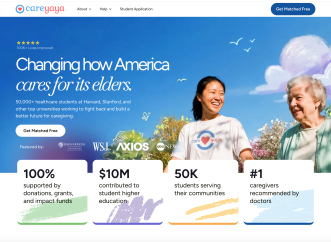
CareYaya matches vetted healthcare students with older adults, providing basic care and peace of mind.

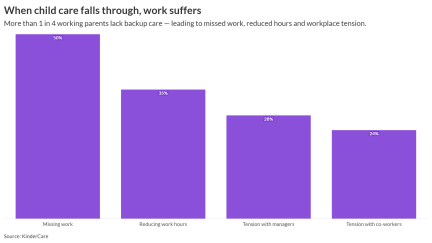
With rising costs and limited employer support, working parents say reliable child care is critical to productivity, retention and career stability.
Understanding data and contracts, as well as advocating for healthcare partnerships and quality care, can lead to better financial outcomes for businesses.
A new report from WTW revealed that leave strategies remain top of mind for organizations looking to recruit and retain.

Healthcare provider Southwest Health is answering a call from the community by building a new facility that will be run by New Horizon Academy.

As chronic conditions rise nationwide, benefit leaders are urging employees to consider critical illness coverage to offset medical bills and other expenses tied to recovery.

Pinterest's CPO Doniel Sutton explains the decision to bring in a holistic family-building and women's health platform that includes this important life stage.

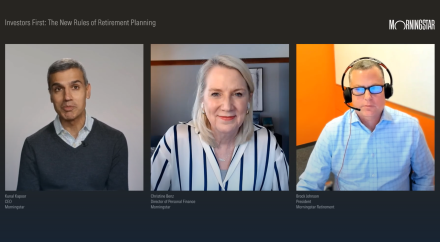
The focus of retirement planning is shifting, according to Morningstar experts, moving away from simple saving toward bespoke decumulation strategies and guaranteed lifetime income solutions.

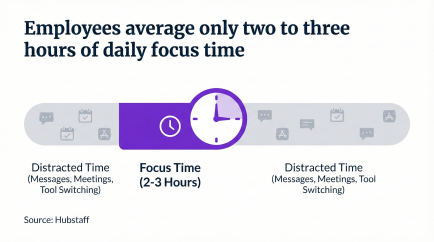
A surge in meetings and constant digital notifications has left employees with minimal time for deep, uninterrupted focus on their work.
To stay competitive leaders are going to have to anticipate employees' needs before they arise.

Dayforce's global head of sustainability and impact shares multiple ways for employers to help workers reverse negative retirement trends.
Clarifying that accessing earned wages through employer-integrated models is not the same as borrowing removes a major obstacle to adoption.
From physical wellness to financial stability, workers feel and perform better when they use impactful employer offerings.

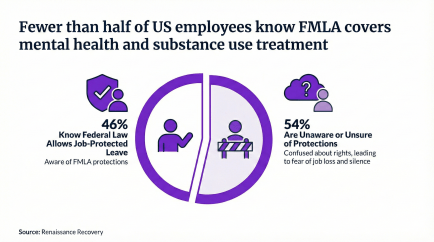
A nationwide survey finds 41% of workers say mental health or substance use issues affected their jobs, costing more than $1 trillion over five years.
More than half of instances of harassment, discrimination and violence are going unaddressed, but technology is bridging the gap.

Direct-to-employer carve-outs can make drugs like GLP-1s more affordable for companies and more accessible for employees.