- Key Insight: Learn how purpose-built wellness rooms reduce burnout more than ad-hoc perks.
- What's at Stake: Poor implementation risks wasted space, employee disengagement, and compliance headaches.
- Forward Look: Expect increased investment in sensory-friendly recovery spaces across competitive employers.
- Source: Bullets generated by AI with editorial review
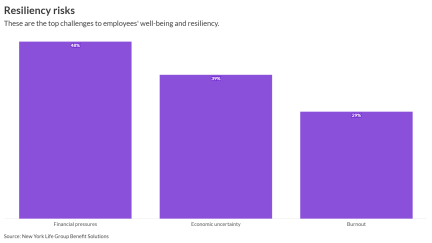
Employee burnout remains a critical challenge for benefit managers and HR leaders. Providing a dedicated space for decompression signals an organization values mental health as much as productivity.

This sanctuary offers a tangible way to support staff well-being during high-pressure workdays. However, simply emptying a supply closet or putting a couch in a conference room will not suffice. You need a strategic approach to fill an effective workplace wellness room.
Read more:
Prioritize privacy and comfort
Privacy is the foundation of any effective respite space. Employees must feel secure enough to relax fully without fear of interruption or judgment. Install a lockable door or clear "occupied" sign system immediately.
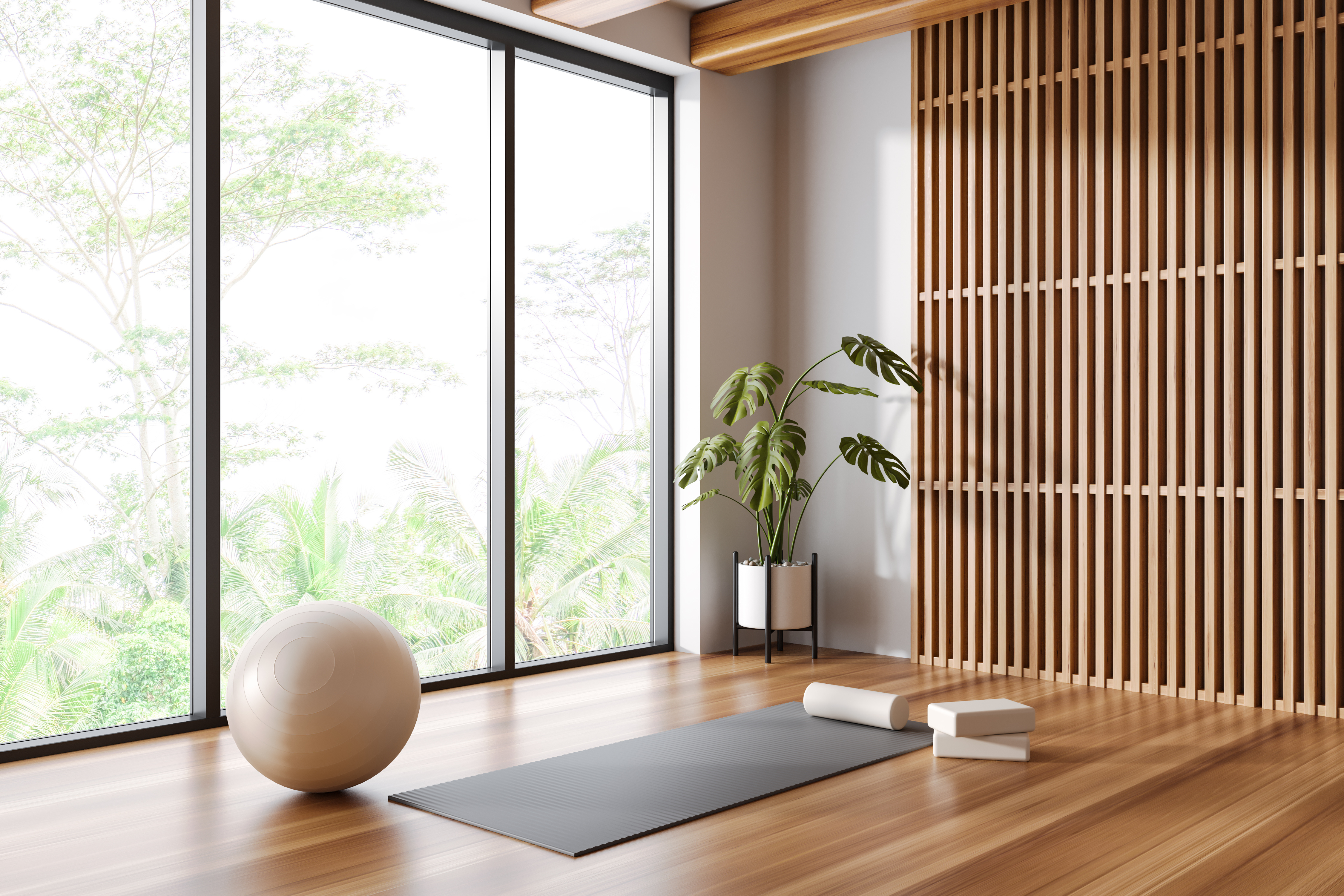
Furnish the area with plush seating, such as recliners, lounge sofas, or bean bag chairs, rather than standard office furniture. Soft, dimmable lighting helps reset the nervous system after hours of exposure to harsh fluorescent overheads. Also consider adding weighted blankets or yoga mats to offer different methods of physical grounding.
Read more:
Invest in physical recovery tools
Consider the physical toll of sedentary desk work. Many forward-thinking companies now invest in equipment that actively addresses physical tension and fatigue,
This type of equipment transforms a passive room into an active recovery station. Even a fifteen-minutesession can improve circulation and boost energy levels to combat the afternoon slump. If a full chair exceeds the budget, smaller tools like handheld massagers or foam rollers also offer significant benefits.
Curate a calming atmosphere
The atmosphere determines the room's success. Use calming color palettes like sage greens, soft greys, or muted blues to visually lower heart rates. Incorporate nature through low-maintenance plants, a small water feature, or botanical artwork.
Sound management is equally vital for immersion. Implement sound machines, white noise generators, or noise-canceling headphones to block out the office buzz. These strategies align with broader organizational goals of
Read more:
Establish clear usage guidelines
Guidelines ensure the space remains a sanctuary, rather than a secondary meeting room or cafeteria. Establish rules prohibiting phone calls, laptops, food, and impromptu conferences. Deciding what to include in a workplace wellness room involves policy as much as furniture.
Keep the space clean, stocked with sanitizing wipes, and strictly reserved for quiet restoration. By intentionally building this space, you create a culture that acknowledges your workforce's human needs.