Flexibility and personalization will define benefit needs in 2026
Leaders from Bartaco and the Child and Family Center share how they're tailoring their benefit strategies for a new generation.

Follow Us
© 2026 Arizent. All rights reserved.

Leaders from Bartaco and the Child and Family Center share how they're tailoring their benefit strategies for a new generation.
Approximately 32,460 healthcare workers were furloughed during the government shutdown, adding to the existing strain in the industry.


Nayya's AI-powered platform makes proactive suggestions and reduces administrative tasks during the benefit process.

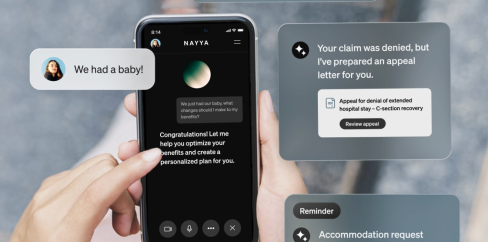
HR and benefit professionals can use technology to tailor benefits to suit different life stages, making them more useful and personalized.
This Thanksgiving, benefit managers can provide support in many forms, with one of the most meaningful access to reliable, nutritious meals.

New research explores the state of caregiving among employees, highlighting their biggest concerns and points to how employers can help. Read EBN's latest editorial report to learn more.
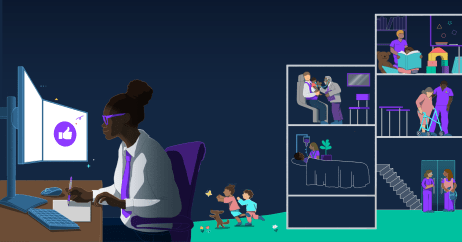
Better benefits, training and a supportive work environment can manage employees and reduce turnover.

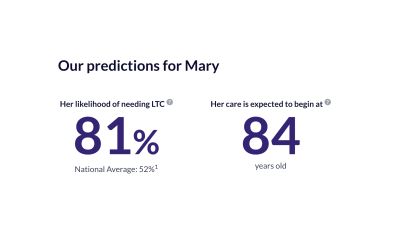
Whether an employee is reaching retirement age or acting as a caregiver for aging loved ones, planning for potential long-term needs is best done early.
Facing high turnover, particularly among Gen Z, U.S. employers are expanding basic retirement benefits into full-scale financial counseling to cultivate appreciation and security among staff.


A career expert shares a few strategies for leaders looking to better support their workforce's mental health year-round.

The right benefits and usage strategies can help men engage with preventative care, leading to better overall wellness.
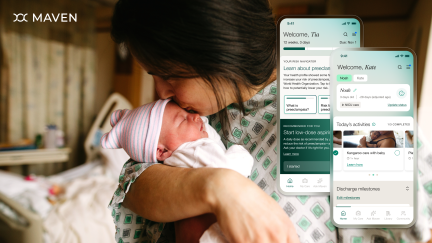
Up to 50,000 pregnancies are considered high-risk annually, but new technology and clinical expertise is helping manage serious prenatal health conditions.
Generation Z is favoring Roth accounts like no generation before, new Fidelity research shows.

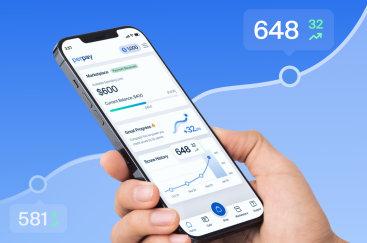
Nearly a quarter of Americans have a low credit score, underscoring the need for employer intervention.
In light of the Republican proposal, we need to keep in mind that consumer-driven health care is a failed theory that will not deliver better health at a lower cost.
Better plan design gives employees the ability to be confident in receiving quality care when they need it.
Rising healthcare costs are squeezing small businesses, but HSAs and HRAs are benefit strategies keeping care affordable.
As the end-of-year FSA deadline approaches, Health e-Commerce shares smart benefit communication tips and examples of how its own employees spend their funds.

With premiums climbing, benefit leaders rely on claims data and analytic tools to guide smarter plan design and purchasing.

With the quick pace of professional change, employees need to be equipped with marketable skills that help them move up.