GLP-1s aren’t a long-term solution — What your health benefits need
Medication paired with behavioral change support gives employers the opportunity to provide a more well-rounded approach to weight management.


Follow Us
© 2026 Arizent. All rights reserved.

Medication paired with behavioral change support gives employers the opportunity to provide a more well-rounded approach to weight management.
Despite already offering unlimited paid time off, CEO Ben Goodwin wanted to ensure employees had blocked off time to recharge.


Goal setting, mental health support and program inclusivity are important elements of an effective employee wellness benefits strategy.

If employers want to reach every employee, they need to make sure their benefit offerings meet a variety of diverse needs.

In acknowledging the lethargy, temptation and sadness that accompanied their grieving process, several benefit leaders drew strength from others and self-care.


To effectively support employee wellness, employers need to think about nontraditional support around food, housing, transportation and more.

Stepping away from the office with the support of a boss to grieve may help expedite the healing process.

Benefit managers will need to modernize their strategies and offerings around well-being, caregiving and professional development to stay competitive.


By educating employees on letters of medical necessity, benefit managers can help them make their money go further.

Employees are prioritizing benefits that help them achieve work-life balance, over performative perks like free lunch or ping pong tables.

From in-office fitness and nutrition offerings to consistent health screenings, benefit leaders can set men up for happier, healthier lives.

Living and working alongside plantlife has proven to have mental and physical benefits that boost employee productivity and engagement.

The human cost of AI surveillance is becoming impossible to ignore in the workplace.

A more comprehensive program can boost engagement and lower healthcare costs, a win for benefit leaders.

Caregiving responsibilities are quietly impacting the majority of your workforce, with 73% of employees juggling care for children, aging parents, loved ones with health conditions, or even pets. This often leads to reduced productivity, increased stress, and higher turnover.
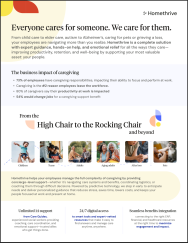
This white paper makes a compelling business case for why supporting caregivers is not just compassionate, but also financially smart.
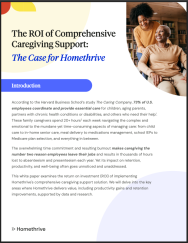
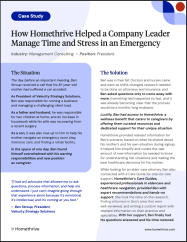
Download the case study to see how Homethrive helped a company leader manage time and stress in an emergency.
ProRx Pharma's COO shares impactful offerings and forms of communication to help employees take charge of their self care.

While acknowledging differences is critically important, so too is identifying the shared needs and desires that align various members of the workforce.

Despite health savings accounts being highly tax-advantaged, most savers do not fully utilize their unique benefits, new data from the Employee Benefit Research Institute shows.