Benefits Think How employers should deal with health reform uncertainty
Companies should evaluate potential changes to benefits if the employer mandate is repealed and consider high-deductible plan options, among other steps.

With an anticipated 5% increase in benefits costs, companies are looking to revamp strategies and encourage programs that empower workers to be savvy healthcare consumers.
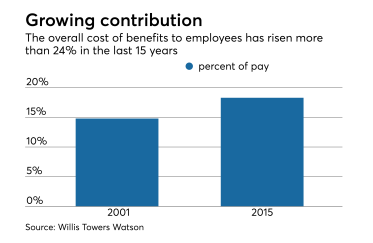
In the past 15 years, healthcare has consumed a larger portion of dollars while the amount spent on retirement programs is on the decline.
Employers should dispel common myths about health savings accounts, discuss tax-time changes and skip out on the benefits jargon.
Back pain represents about 10% of healthcare costs and is a top driver of productivity loss. That’s why some smart companies are taking steps to address it.
A bipartisan commitment to reducing free riders, relieving risk pools and reining in pharmacy inflation will help to fix the broken system, says adviser Craig Hasday.
By prioritizing not just employee engagement but action and monitoring, employers can maximize their investment and improve health and flatten costs.
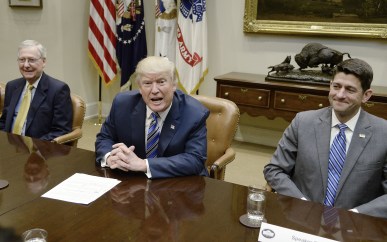
Top Senate Republicans are trying to move on from their partisan drive to replace the ACA despite urging from President Donald Trump to keep seeking a broad alternative to President Barack Obama’s signature domestic achievement.
Instead of debating insurance marketplaces, U.S. lawmakers should focus on comparing the price of prescription drugs in Canada, suggests Perry Braun.
A bipartisan commitment to reducing free riders, relieving risk pools and reining in pharmacy inflation will help to fix the broken system, says adviser Craig Hasday.
The truth is that group plans typically earn a percentage of total expenditures, and it is in representatives’ best interest for medical services to cost as much as possible.
Assessing and monitoring family history and lifestyle-based risk factors and giving employees access to experienced specialists are among the underused tactics companies should embrace.
HHS Secretary Tom Price said Sunday that “no decision’s been made” on whether to continue key ACA subsidies to health-insurance companies, but that the administration’s job is “to follow the law of the land.”
Republicans in Congress have been unable agree on a way to repeal and replace Obamacare – and now they’re divided on whether they should give up on their GOP-only approach.
After failing to repeal or replace the ACA, Senate Republicans are slimming down their ambitions to target the one piece of the health law they loathe most.
Assessing and monitoring family history and lifestyle-based risk factors and giving employees access to experienced specialists are among the underused tactics companies should embrace.
Coaches can address risk factors and prevent the future health problems of employees who struggle with stress, sleep issues or lack of exercise.
The Senate rejected a simple repeal of the ACA on Wednesday, still in the early stages of an unpredictable floor debate on healthcare amid significant doubts that Republicans can muster the 50 votes needed to pass any kind of bill.
Large market employers can mitigate the risks of fully insured plans, but the small to middle market may find that joining a medical captive brings more control over their medical costs, says adviser Mark Gaunya.
Instead of debating insurance marketplaces, U.S. lawmakers should focus on comparing the price of prescription drugs in Canada, suggest Perry Braun.