Benefits Think 9 myths about Section 125 plans
Many employers wrongly believe they don’t need a plan document in place and think that health insurers are experts on regulations.

Zack Pace
CBIZ
Follow Us
© 2026 Arizent. All rights reserved.

Many employers wrongly believe they don’t need a plan document in place and think that health insurers are experts on regulations.
With $1 trillion being lost to unaddressed chronic disease each year, employers must help address these conditions in wellness programs.
Experts weigh in on whether organizations should continue to offer medical insurance to their workers


A new service informs employers when a medical professional leaves or joins a provider network.

Catastrophic claims increased by 68% over four years, but employers can help contain the costs, according to a new report.

In the face of growing concerns over medical costs, companies should plan a comprehensive health and wealth strategy for employees in retirement or risk losing talent.

A new service informs brokers and benefit admins when a medical professional leaves or joins a provider network.

Bellwether states California and New York are considering measures that would have serious national implications for the employer-sponsored insurance system.
Bellwether states California and New York are considering measures that would have serious national implications for the employer-sponsored insurance system.
Senate Majority Leader Mitch McConnell is proposing to keep in place the ACA’s protection against higher health-insurance premiums for people with pre-existing conditions when they buy individual coverage.

If the GOP moves forward with it, companies will lose a major incentive to provide benefits and the true problem — reducing costs — will not be addressed, says adviser Craig Hasday.

Advisers can help employers make better decisions by teaching leadership to be smarter consumers, says The Graham Company’s Dan Jordon.
Pratter application is able to identify by ZIP code known charges and claim allowables before services are actually rendered.

If the GOP moves forward with it, companies will lose a major incentive to provide benefits and the true problem — reducing costs — will not be addressed, says adviser Craig Hasday.
Concerns about cost, flexibility and complications often keep employers from offering coverage.

The growing use of HDHPs and CDHPs is further pushing employee engagement in making better healthcare decisions, with an additional increase in wellness program awareness and participation.


The popular procedure can lead employees to pursue unnecessary and costly medical intervention.

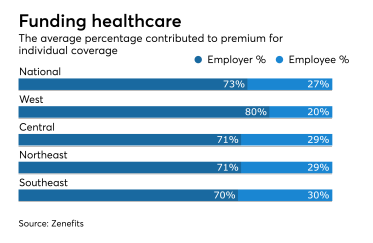
Small and midsize businesses covering, on average, 73% of their employees’ costs, new report finds.
The popular procedure can lead employees to pursue unnecessary and costly medical intervention.

Companies report greater control of choices and employers express satisfaction with overall experience, Willis report finds.