Benefits Think Why the new fiduciary rule favors employers
Under the DOL’s new standard, all retirement plan advisers — and not just some — will have to put their clients’ interests ahead of their own.

Retirement plan advisers must rethink how they work and get paid, according to benefits attorneys and industry insiders.
Broad in scope, the final DOL ruling favors plan sponsors, but also puts pressure on them to adjust to new industry realities.
Some advisers are calling it the most sweeping regulatory reform of the retirement industry in 76 years.
New calculation methods and benefit expectations will leave employers needing plan-design help from advisers.
The controversial rule requires companies to disclose how they use consultants and other third parties
New calculation methods and benefit expectations will leave employers needing plan-design help from advisers.
Plan sponsors should stand their ground to discourage plaintiffs from pursuing more lawsuits, says one expert.
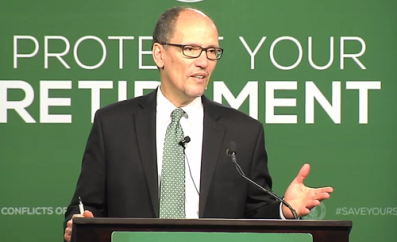
Labor Secretary Thomas Perez and other political luminaries are set to announce the regulation that many believe could usher in unprecedented change in the financial services industry.
Lawsuits can’t be avoided, so advisers should focus on helping clients improve their processes, one expert says.
U.S. Secretary of Labor Thomas Perez unveiled new requirements governing adviser and employer arrangements regarding organizing.
Industry experts say the new regulations will be announced soon, but many benefit brokers are hoping its release is pushed back.
While only a small sector of employers will be impacted by the coming decision, a ruling in favor of the petitioner could encourage future contests to the health law’s mandates, experts predict.
From the Affordable Care Act to the EEOC’s retaliation guidance, the world of benefits law is always rapidly evolving, says lawyer Richard Meneghello.
Justice Antonin Scalia’s death and ACA developments have created legal uncertainties that employers and their advisers should know about.
The decision of the NYC federal court cautions employers against reducing a full-time workers’ status to part-time in an attempt to avoid the employer mandate.
All full-time employees who work an average of 18 hours a week in a year are covered by the legislation. For newly hired workers, employers may impose a waiting period of up to one year.
Large employers are accustomed to intricate benefit rules, including those pertaining to the shared responsibilities of related businesses, but the ACA now requires individualized rather than consolidated reporting.
All full-time employees who work an average of 18 hours a week in a year are covered by the legislation. For newly hired workers, employers may impose a waiting period of up to one year.