Benefits Think The value of treating depression through the eyes of purchasers and patients
Major depression is just one of hundreds of conditions where employers struggle to improve outcomes and costs.

Organizations addressing the post-pandemic return to work will be required to assemble teams of specialists in safety, security, HR and risk management to aid in the challenge.
Employees are struggling to improve their mental health as the coronavirus is still a main concern, combined with the racial injustice crisis the country is facing.
Employee mental health is vital to a company’s performance, but the pandemic is worsening wellness as time passes and long-term effects compound, driving more insomnia, stress, anxiety, depression, and post-traumatic stress.
Out of the employees surveyed in the U.K., the U.S., Singapore and the United Arab Emirates, those in the U.S. are the most likely to lie to their employer about their reason for taking a sick day.
Corporate messages and social media outreach may be well intended, but diversity experts say companies need to do more to support Black employees in a time of crisis.
Employee mental health is a workplace crisis, with frontline workers struggling with increased anxiety and depression during the coronavirus pandemic.
Around 63% of workers say their company could do more to support their emotional and mental health during the COVID-19 pandemic. Within this group, 22% said their company’s response was “barely adequate,” “a disaster” or “non-existent.”
“It is critical for employers to actively demonstrate their commitment to mental health parity. Fear and stigma can only be overcome when employees believe their workplace provides a safe environment,” says Dr. Eric Hart, chief medical officer of Healthstat.
Getting back to work requires thoughtful planning to ease employee fears and optimize mental and physical health.
Several months ago, mental health in the workplace was an important topic.
For advisers and their clients, the crisis has ushered in a new era for mental health, caregiving and telemedicine platforms
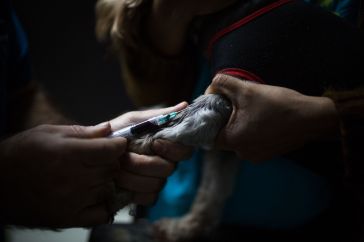
For a veterinarian, the emotional aspects and financial strain of their profession can have a lasting impact on their mental health.
One in five people will experience a mental illness within a given year, according to the Centers for Disease Control and Prevention. However, 70% never seek treatment.
Now is an “opportunity to advance the conversation around mental health and well-being,” says Aetna’s head of behavioral health.
Without the ability to catch early signs of burnout, employers may miss important cues as workers struggle with anxiety and stress.
It’s estimated that workplace stress now costs employers $500 billion annually in the form of decreased performance at work or absenteeism.
Employers are seeing a spike in demand for EAPs and behavioral health workplace benefits.
The company’s U.S. employees and eligible family members will receive 20 mental health sessions with a therapist or coach each year.
Seeking emotional support is crucial during times of uncertainty, especially for those struggling with anxiety disorders.