Here’s how the timing of Social Security could ruin employees’ finances
If retirees intend to rely heavily on Social Security for income, they should consider adjusting the timing of their bills to the date that they will receive their benefits.


Follow Us
© 2026 Arizent. All rights reserved.

If retirees intend to rely heavily on Social Security for income, they should consider adjusting the timing of their bills to the date that they will receive their benefits.
Mutual fund costs have fallen to 48 basis points in 2016 from 77 basis points in 2000 for plan participants, according to data from Investment Company Institute.

Rents have increased an average of 3% annually over the 14-year time period of the study, while incomes have declined .1% annually.

A study by Merrill Lynch and Age Wave has found that 42% of women are concerned that they will outlive their nest egg when they reach the age of 80.

Workers look to employers to develop programs that will help them reach financial success, according to a new Prudential study.

Plan sponsors may be paying too much attention to the post-work planning requirements of younger workers, finds Franklin Templeton survey.

Whether the husband takes reduced benefits has no impact on the spousal rate, although it could effect potential widow's benefits, according to a Social Security expert.

Incentives play key role in the overall success of emotional and financial wellness programs.
For employees with HDHPs, these two savings vehicles offer numerous advantages.

For employees with HDHPs, these two savings vehicles offer numerous advantages.
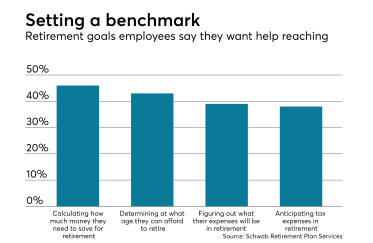
Forget student loan debt assistance and day-to-day budgeting help. Workers most want employers to help them plan out how to manage healthcare and long-term care expenses during their post-work years.

New rules to employer retirement plans will impact how your workers face a financial crisis.
A recent report from Democrats on the Joint Economic Committee says that Social Security is being threatened, and the federal government should consider modernizing and enhancing the program.

Inflated client expectations mingled with fears of congressional cutbacks are making retirement planning even more complex.


Engaged savers, specifically those who are near the end of work, deserve an appropriate spectrum of risk options.
The differences generally come down to investor eligibility and when taxes are paid, but that can have a significant impact.

Forget student loan debt assistance and day-to-day budgeting help. Workers most want employers to help them plan out how to manage healthcare and long-term care expenses during their post-work years.

Many employees expect to collect more than they actually will, which can prompt them to retire and file for benefits early and, in turn, reduce their actual payouts.

People are expected to have a longer life span, and this could pose a challenge in that it will require bigger nest eggs for retirement.

Fidelity Investments’ annual cost estimate is new motivation for employers to step up efforts in helping employees plan for medical expenses during their post-work years.