For Gen X, reality bites when it comes to retirement
Gen X workers have the biggest gap between their savings and what they think they need to save for retirement than any other generation in the workforce.


Follow Us
© 2026 Arizent. All rights reserved.

Gen X workers have the biggest gap between their savings and what they think they need to save for retirement than any other generation in the workforce.
A tax-free, more personalized option can help attract and retain talent.

500 startups closed their doors this year, and over a quarter million tech employees were laid off.

No matter where an employee is in their financial journey, educating them on options is beneficial to their well-being and your bottom line.

U.S. Treasury Secretary Janet Yellen believes the economy will be able to return inflation to the Federal Reserve's 2% goal.
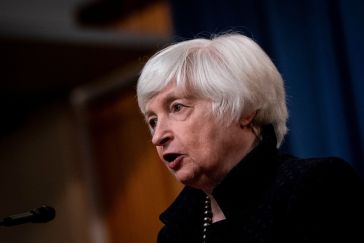
The company's Emergency Savings Initiative has reached more than 10 million workers so far.

Will Sealy, CEO of Summer, discusses President Biden's new proposal, and whether student loan borrowers are likely to see federal relief.


A new framework for retirement savings has emerged.

Only a third of employees know if they're on track with their retirement savings.

Retirement is not a clear-cut undertaking for employees. Here's how to get more prepared.

The shift to a SUB plan maximizes benefits while minimizing costs.

From teaching arts and crafts, to going on tour with a former rock band, these retirees are proving life doesn't end with a 9-to-5.

Holistic communication can help educate employees on how to make the most of their retirement plans.

Medical debt affects 100 million Americans, totaling approximately $195 billion, according to KFF — here's how EarnIn wants to help.

Now is a good time for employers educate themselves on what this new retirement legislation means for their business.
New research from Buck reveals a disconnect between employers and employees around how effective their retirement benefits are.

Improving workplace communication and resources can create a win-win scenario for employers and employees.

An expert from Vanguard explains why the youngest generation is so strained, and what employers can do to help.


Before the pandemic, the participation rate for workers age 65 and older reached 20.8% before dropping by July 2021.

A wage gap as soon as women enter the workforce — along with life-long financial hurdles like caregiving — prevent this demographic from prioritizing their long-term savings.