Caregiving responsibilities could be costing Gen Z their careers
Young professionals are struggling more than their older counterparts to juggle their jobs, debt, and families with aging parents.


Follow Us
© 2026 Arizent. All rights reserved.

Young professionals are struggling more than their older counterparts to juggle their jobs, debt, and families with aging parents.
Caregiving is now a reality for nearly 1 in 4 U.S. workers, reshaping how employers think about benefits, flexibility and support for working families.


More holistic perks and benefits can keep turnover rates low as leaders shift from remote work to hybrid and in-person models.

HR and benefits leaders are using the shifting employee-employer dynamic to cut down on costs — but it can't last forever.

New SHRM research finds fewer employers offering generous 401(k) matches and flexible work, even as experts warn benefit cuts can hurt hiring and retention.

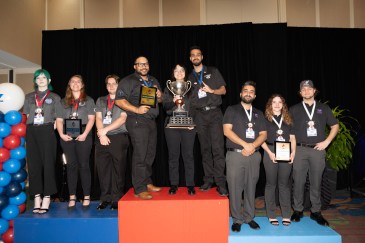
For more than 30 years, the automotive services company has brought its top-performing technicians together to foster camaraderie, growth, and encourage great performance.

A new survey finds this male demographic is taking mental health leave at higher rates than other generations, as employers grapple with rising loneliness and shifting workplace norms.

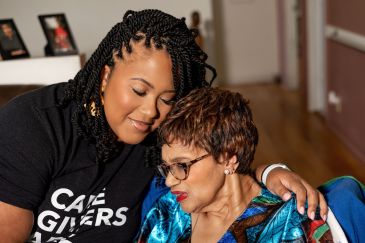
A new survey finds 77% of caregivers feel financially overwhelmed as they juggle jobs and care duties, exposing gaps in workplace support systems.
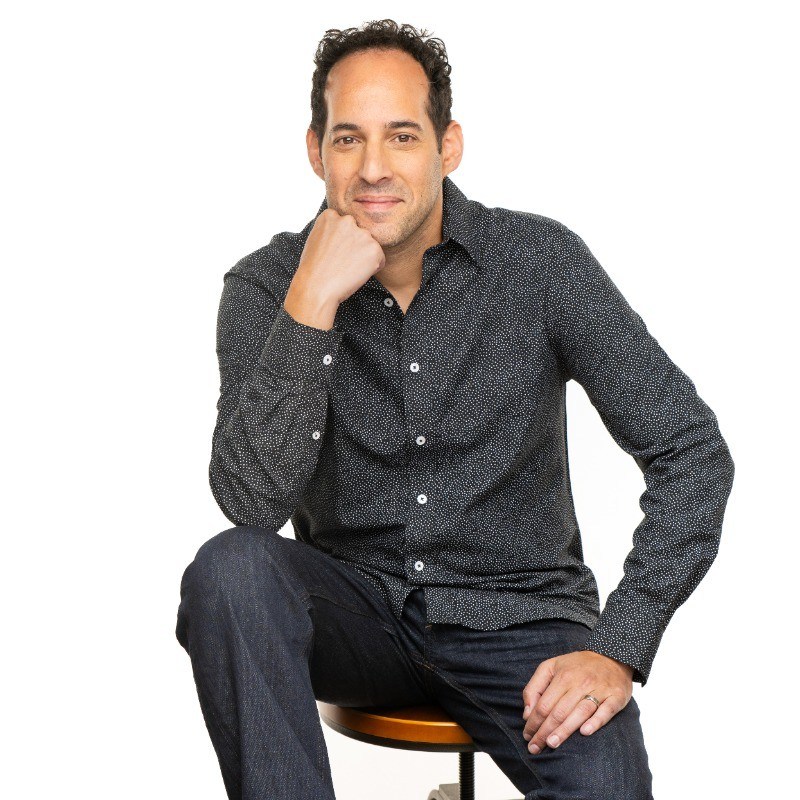
The founder of Tolero Solutions identifies what it means to frame work, meetings and an environment around the individuals within an organization.
A new report offers recommendations for improving meetings that can often feature unclear action items and follow-up work that create productivity losses at a steep cost.

Privacy, accuracy and transparency concerns are slowing adoption, even as organizations see artificial intelligence as a way to simplify benefits decisions and improve support.

The majority of employees say misconduct is overlooked when it involves a top performer or leader, inspiring silence versus speaking up.
Standing in the way of employees' demands and stalling the wider adoption of popular hybrid and remote work models are tradition and mistrust.

While employers often think they have strong safety measures in place, those protections don't always extend to employees working in the field.

New research shows companies are ramping up spending on workplace meals, with employees citing food perks as a key factor in staying and showing up.

Employers that do build a culture of safety and support empower their people to utilize benefits, take innovative risks, and stay long term.

As new pay disclosure laws spread, many employers still lack the training, systems and data needed to handle compensation conversations.

Few companies measure impact or return on investment of their education benefit spend, report finds, while AI skills remain untapped.

The new workplace strategy focuses on creating a better and more sustainable employee experience.

Lionel Marshall leveraged his military skills to create hands-on, practical training that improved test scores and prioritized teamwork.