Benefits Think

What the Savannah Bananas can teach us about benefits

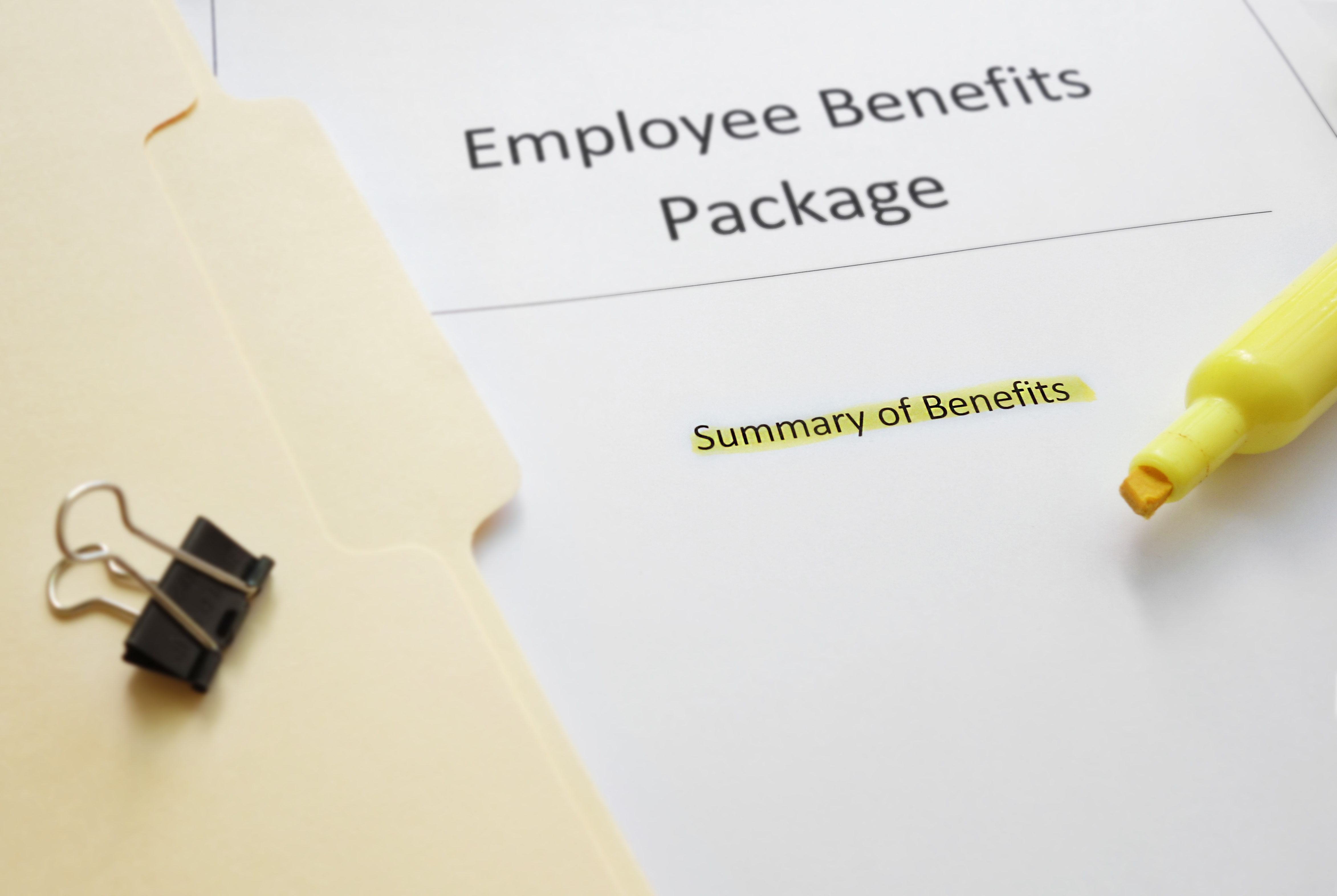
A folder rests on a table next to a paper titled, "Employee Benefits Package."
Adobe Stock

With another calendar year and open enrollment in our rearview mirror, let's look ahead through our respective windshields to some exciting possibilities. 

Processing Content

If you haven't yet seen the Savannah Bananas, do yourself a favor and look them up. They've taken one of America's most traditional, slow-moving pastimes — baseball — and turned it into an entertainment experience like know other (think a circus vs. Cirque du Soleil). Every game sells out. Fans travel across the country to watch. Their waitlist for tickets is over a million people.


And they did it by doing the opposite of what everyone else in baseball was doing.

The Bananas didn't just change the rules, they changed how people feel. They made baseball fun again, accessible and emotional. They put customer joy before tradition.

And if that doesn't sound like a lesson for the employee benefits industry, I don't know what does.

Because let's be honest: benefits can feel a lot like baseball before the Bananas. Heavy on rules and light on experience. We talk in acronyms, communicate through PDFs and expect employees to be inspired by deductibles and co-pays.

What if we reimagined the experience instead? What if we treated employees the way the Bananas treat fans?

Benefits playbook

Here are five lessons from the Bananas that translate perfectly into how we can rethink. 

1. Fans first = people first.
The Bananas' entire philosophy is built on one idea: Fans come first, so entertain always. They ask themselves constantly: What's the fan experience like? How does it feel to be in the stands? What will they remember when they leave?

Now replace "fan" with "employee."

Most benefit programs are built backward, starting with budgets, renewals, compliance and spreadsheets. Those things matter, but they don't inspire anyone. What if instead, we began by asking:

  • What do employees need to feel cared for and/or supported?
  • How can we make this easier, more personal and more human?
  • What would make someone say, "Wow, my company really gets me?"

That shift from administration to experience changes everything. It turns a "benefit program" into a meaningful part of the employee value proposition. Because when people feel like their employer truly has their back, retention, engagement and satisfaction follow.

2. Make it fun and memorable.
As many know, the Savannah Bananas have broken just about every mold by trying everything they dream up. It's a wild concept, but it works.

Fans don't come just for the score; they come for the experience. Now, we don't need a mascot doing the worm during open enrollment, but we can learn from the idea that fun drives engagement.

Benefits education often fails because it's boring. People tune out. So why not make it memorable?

  • Use short, colorful videos instead of text-heavy slides.
  • Host "benefits bingo" or raffles to reward participation.
  • Share stories that show how benefits impact real people.
  • Ditch the jargon. Speak like a human being, not a policy manual.

When people laugh, relate or feel emotionally connected, they remember.
Benefits don't have to be dry. They can be one of the most uplifting parts of workplace culture if we deliver them that way.

3. Obsess over the experience.
Savannah Bananas owner Jesse Cole obsesses over every fan interaction. From the moment someone buys a ticket to the thank-you message they get after the game. Every touchpoint is intentional.

In benefits, we have those same touchpoints. They include the new-hire welcome packet, open-enrollment meetings, mid-year life event support and renewal-season communication. Each one is an opportunity to either frustrate or delight.

Read more: How leaders can prevent 2 of the worst open enrollment mistakes

Imagine if employees looked forward to enrollment because it was easy, transparent and genuinely useful. Imagine if HR didn't dread renewal time because it felt like a strategy session, not a fire drill.

That's what it means to design the experience. Every detail matters — the visuals, the tone, the timing, the empathy. When employees trust the process, they engage more deeply.

4. Challenge industry norms.
When the Bananas first introduced "Banana Ball," traditionalists were horrified. No bunting, no stepping out of the batter's box, games capped at two hours. But fans loved it. It was faster, fresher and built for the modern audience.

In the benefits industry, we have our own set of unspoken rules: open enrollment must happen once a year, presentations must be 30 slides long and communication must come from HR.

Why? Maybe it's time to challenge that thinking. Maybe a live Q&A or text-based enrollment helpline works better than a meeting. Maybe employees want benefits news in Instagram-style visuals instead of email.

Innovation doesn't always mean new tech; it means new thinking. Advisers who question the norms, explore creative plan design and communicate differently stand out. Just like the Bananas, they build loyalty through boldness.

5. Lead with purpose.
The Bananas' purpose is simple: Bring joy to people. Everything flows from that mission: How they recruit, perform and connect.

In our world, purpose might sound less flashy, but it's just as powerful: help employers care for people and protect families. 

Over time, spreadsheets and renewals can make it easy to forget. When we reconnect with that mission, the job feels different. Conversations with clients become deeper. Employees sense authenticity. Purpose is what turns transactions into relationships.

The Savannah Bananas proved something powerful: even a traditional, rule-bound industry can reinvent itself when it puts people at the center.

The employee benefits industry is ripe for that same transformation. If we focus less on process and more on experience, less on the what and more on the why, we can make benefits something employees love engaging with.

Read more: How smart companies are revolutionizing benefits enrollment

Because ultimately, we're not just managing plans or negotiating renewals. We're helping employers build cultures of care. We're helping people protect what matters most. That's something worth cheering for.

So maybe it's time we all tore a page from the Savannah Bananas' playbook: Be bold. Be human. Be memorable.

I'd like to dedicate this column to the late Jenny Kaplan, an inspiration to me and my colleagues who coached us through a number of commentaries published in the pages of Employee Benefit News through the years. 

For reprint and licensing requests for this article, click here.
Employee benefits Industry News
MORE FROM EMPLOYEE BENEFIT NEWS