A tale of two premiums

It was the best of times. It was the worst of times. It was the day we announced that those who use tobacco will pay higher health plan premiums than their tobacco-free counterparts.

Processing Content

I've been in benefits management for more than eight years, and I've come to accept that I will not, despite my best efforts, win any popularity contests with employees and their families. Still, I work for a "Minnesota Nice" company, and tobacco-user premiums are a noteworthy departure from the carrot approach we've been using to encourage healthy choices up until now.

Since 2007, we've been providing cash incentives for healthy behaviors and choices. The shift to tobacco-use surcharges, we knew, would feel a bit more punitive. My team and I prepared for the worst when we shared the news: Starting on Jan. 1, 2012, tobacco users will pay $25 more per month for single coverage and $75 more per month for family coverage than will those who don't use tobacco.

Thanks to a forward-thinking and highly capable benefits communicator on my team and also to the company leaders who asked us to make this change, we implemented the change in October 2010.

First, we enhanced our smoking-cessation services, which we've offered for many years. In October, we hired a new vendor to provide enhanced services that are free to employees and family members. We also dropped all health plan limits on smoking cessation drugs. Instead of covering three quit attempts per lifetime, we communicated that we know quitting is hard and it can take repeated attempts to be successful. We told employees that we want to provide as much help and encouragement to quit as we can.


Communication strategy

Our communication strategy was to combine the initial announcement that smokers will pay more in 2012 with our announcement and promotion of the new and improved smoking-cessation benefits and services. We told employees that they could expect to see tobacco users' premiums in 2012 before they even enrolled in their 2011 health plan option.

We really didn't hear much from employees, although I did hear from a few nonsmokers who said, "It's about time."

In late March, we distributed a bulletin that detailed the amount of additional premium tobacco users will have to pay in 2012. For the first time, employees saw that those who use tobacco (or cover a dependent who does) will pay $300 more per year for single coverage and $900 more per year for family coverage than those who don't cover a tobacco user.

We defined tobacco-free as any person who has had six or less instances of tobacco use during the rolling 12 months prior to annual enrollment. We're shortening that to less than six months from May 1 to Oct. 31 for this, our first year. For those who cover family members, every covered person needs to be tobacco-free to get the better rate. (This reinforces our message that we want to help employees quit.)

Because HIPAA requires it, we've provided a reasonable alternative. The tobacco-free premiums are also available to those who are trying to be tobacco-free. We've defined this as somebody who has completed at least five calls with our quit smoking vendor/counselor. (Or, if you're a new employee, you need to commit to completing the calls during the next six months.)

Following the announcement, we heard from a few participants who felt they were being picked on or discriminated against, and members of my team personally responded to them. We've also provided specific talking points to our executive leaders and HR staff who may get questions from employees - to make sure we're consistently sharing the rationale behind this change, which is our desire to manage health costs and encourage healthy behaviors. In addition, we're a financial services company that sells life insurance to clients - where we offer smoker/nonsmoker preferred rates - so the change makes our internal and external processes consistent.


Mutual trust and respect

We decided early on to not attempt to police this new policy. Employees will declare their tobacco-use status on their honor. We know that 16% of our employees report using tobacco in our annual health risk assessment. So, we expect to see a similar number of employees paying tobacco-user rates next year.

Some employees have asked us if there is any proof or test they'll need to take to validate that they are tobacco-free. The answer is no. We trust the integrity and honesty of our employees.

Other employees allege discrimination, and some want to know why we're picking on smokers and if or when we'll implement a similar policy against employees who are overweight, use alcohol or have poor eating habits. We currently don't have any plans to expand this practice and use other behaviors or health results as health plan premium inputs.

Although the change doesn't have quite the drama of a Dickens novel, and the premium differential isn't big enough to create "peasant" and "aristocracy" employee groups, it's a tale that continues to unfold and certainly is "novel" for us.

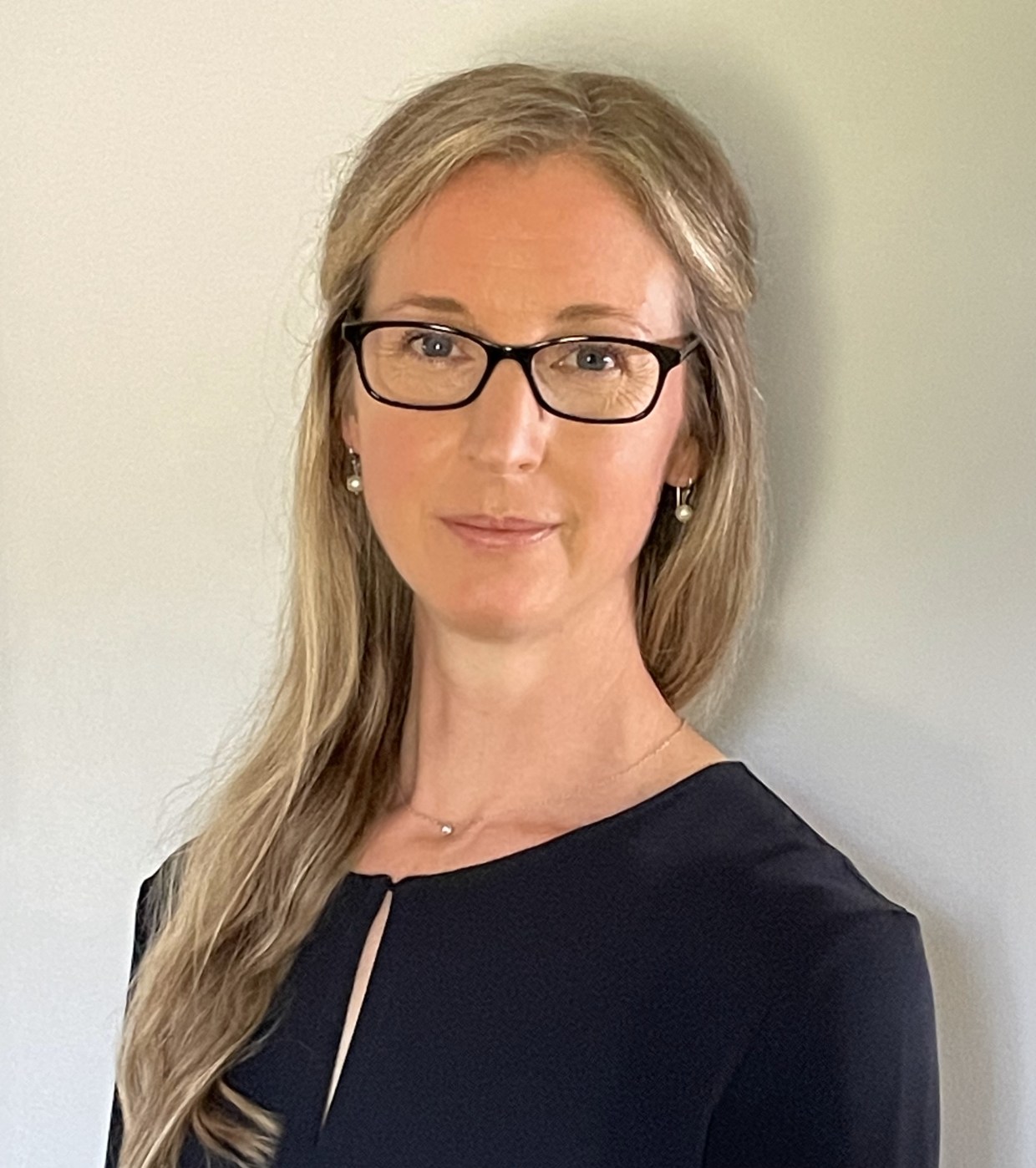
Contributing Editor Cindy Bucher is the benefits and compensation manager for a Midwestern financial services company and has been in her current role since 2004. She and her staff serve more than 2,500 active employees and 650 retirees, as well as their families. She can be reached at cindy1967lou@aol.com.


New tool helps employers maximize ROI Helping employers get more bang for their health care buck is the focus of a new online tool from the Center for Health Value Innovation.

Employers enter data, such as the number of employees and covered lives, total health care costs for recent years, percentage of health costs spent on pharmaceuticals, and percentage of the population diagnosed with cardio-metabolic conditions, into the Health Value Acccelerator and get an actionable report that focuses on value-based benefit design.

The tool allows an employer to see how its population compares to national and state indicators and also provides recommended and prioritized actions for value-based design changes.

Says Cyndy Nayer, CHVI president and CEO: "Instead of looking at just cutting costs, we're working to help employers find ways to get more value and better results for the money they're already spending."


For reprint and licensing requests for this article, click here.
Wellness
MORE FROM EMPLOYEE BENEFIT NEWS