An interactive center lets leaders take accommodation tools for a test drive

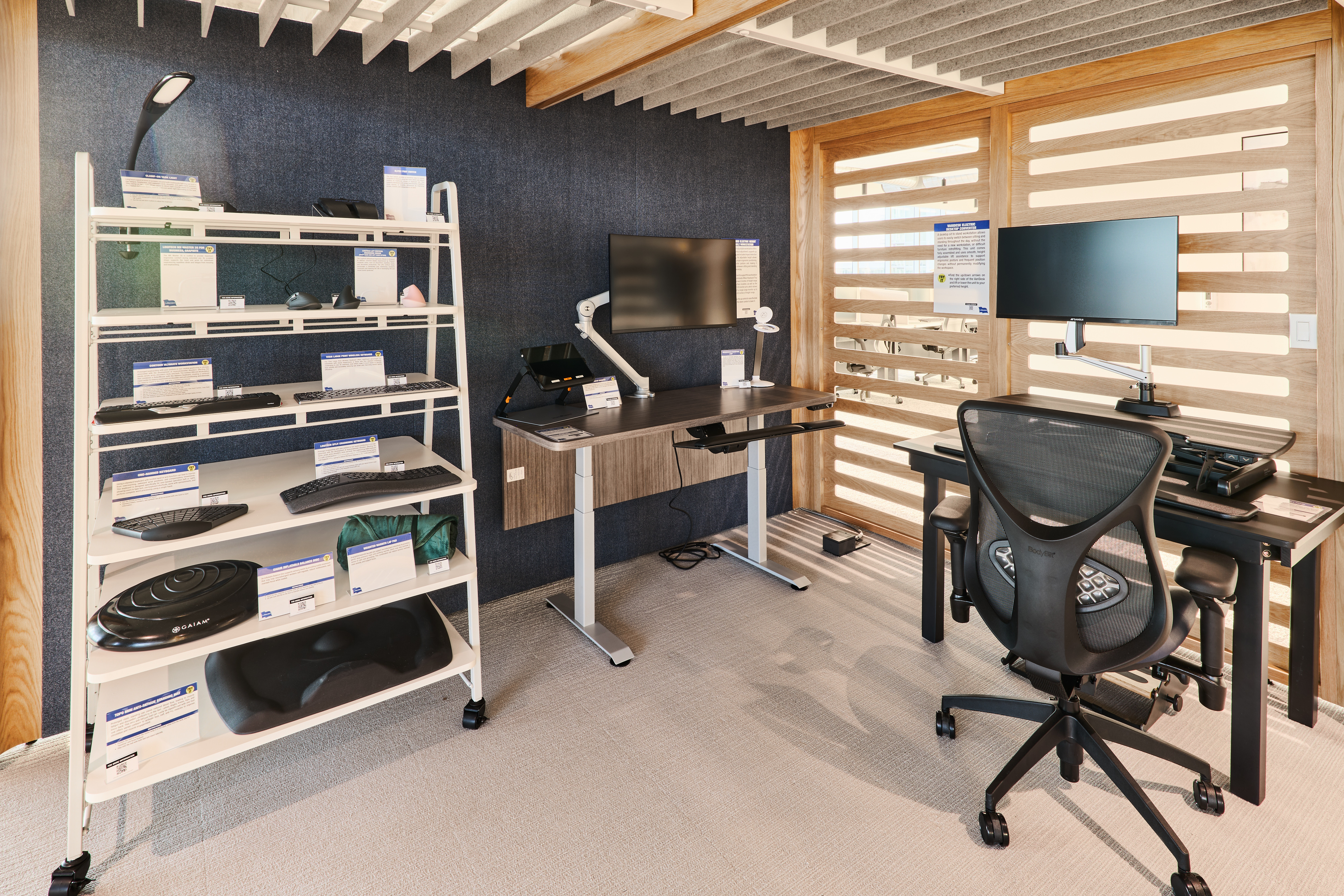
The Standard's Workplace Possibilities interactive center in Dallas, Texas
The Standard
  • Key insight: Learn how hands-on accommodation centers are changing employer disability-management strategies.
  • Expert insight: Brenda Smith - Real-world equipment demonstrations materially improve HR leaders' accommodation decisions.
  • Supporting data: 87% success rate for employees participating in The Standard's stay-at-work programs.
    Source: Bullets generated by AI with editorial review

Processing Content

When an employee is struggling with health issues, accommodations can play a large role in helping them stay at or return to work. On June 1, The Standard insurance company is opening an interactive center in Portland, Oregon that will give its employer customers hands-on experience with products that can help

The new center will be part of The Standard's Workplace Possibilities program, which is designed to support employees with interventions such as expert guidance through clinical treatment, accommodations and benefit use that help them stay or return to work amidst health complications. Experts are on site to guide visitors through and answer questions. It is the company's second center location — a smaller, self-service model recently opened in Dallas.

The program focuses primarily on workers with musculoskeletal (MSK) and behavioral health conditions, which often go hand-in-hand, says Brenda Smith, the program's senior director. Of the employees who participate in its stay-at-work programs, 87% are successful, as are 70% of those who participate in return-to-work programs, according to the company's data. 

Read more:  Hiring managers use work trials as AI resumes make interviews harder 

The center is a way for HR and benefit leaders to better understand potential options for accommodations that aid these processes, says Smith. "A picture is worth a thousand words, and then actually seeing it — being there — that's even better. HR folks really care about their employees' experience, so if we can show them what's going to happen through the process and actually demonstrate equipment in real life immersion, it's so much more helpful for them."

The space is divided by category of condition, with areas for MSK and behavioral health as well as neurodiversity and sensory disabilities, with tools on display such as Bluetooth devices for those with hearing loss to a desk and chair system that allows someone who can't sit comfortably upright to work lying down.

"Each of those areas allows our customers to interact with the equipment in the space," Smith explains. "It's also educational around how disabilities show up in the workplace. For example, with a lot of behavioral health conditions, you don't see anything, so there is information about how they can support those employees. 

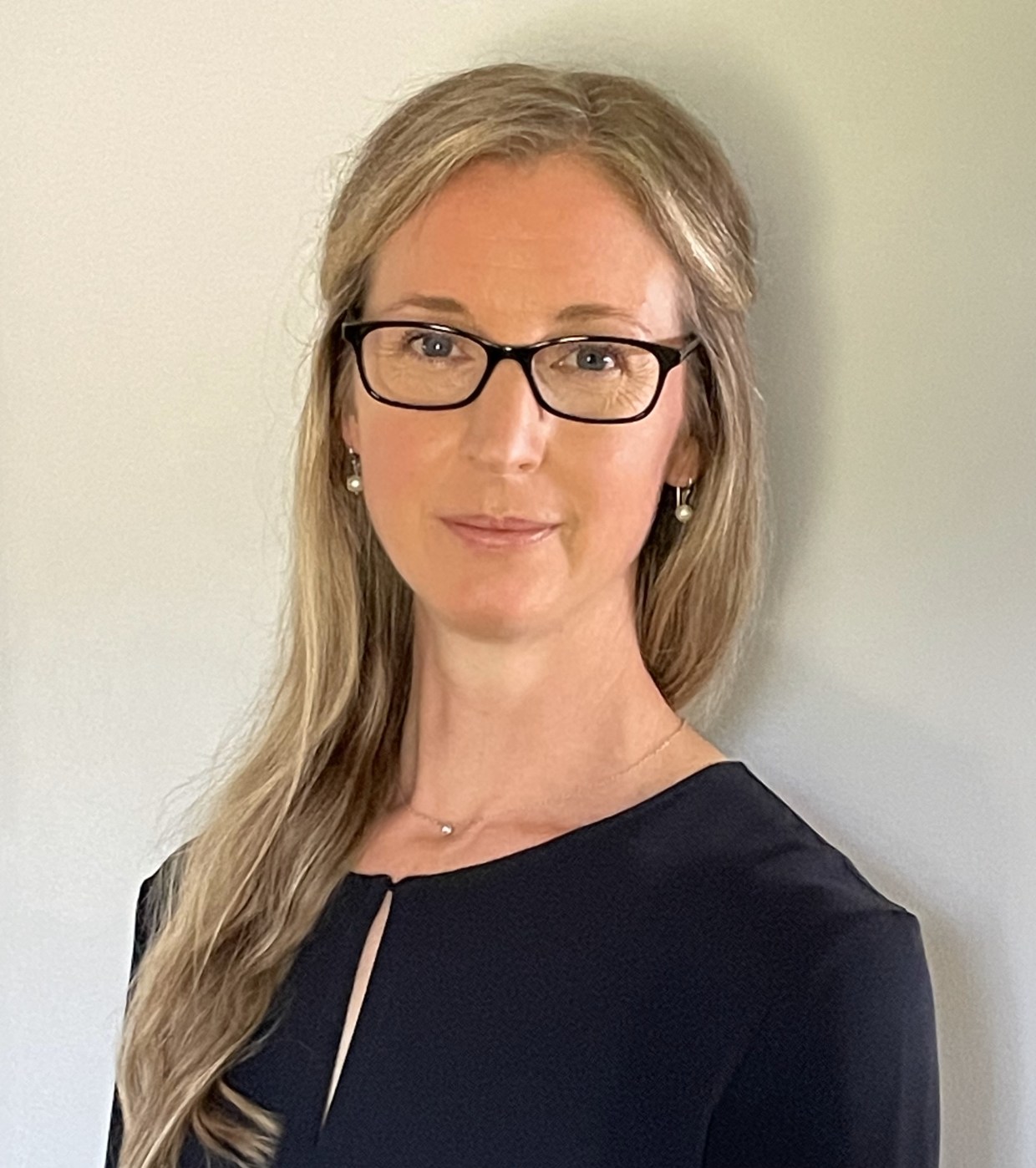
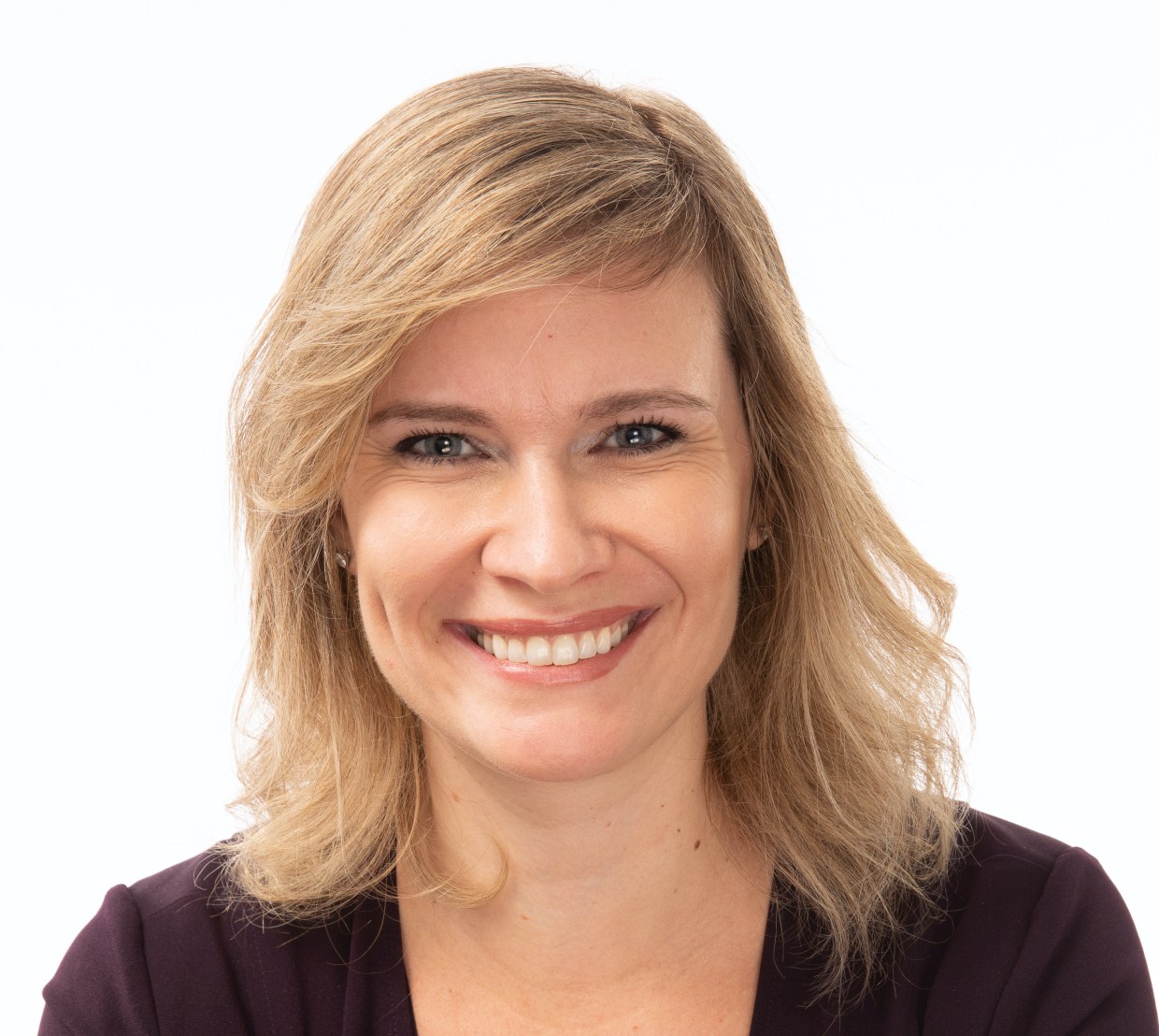
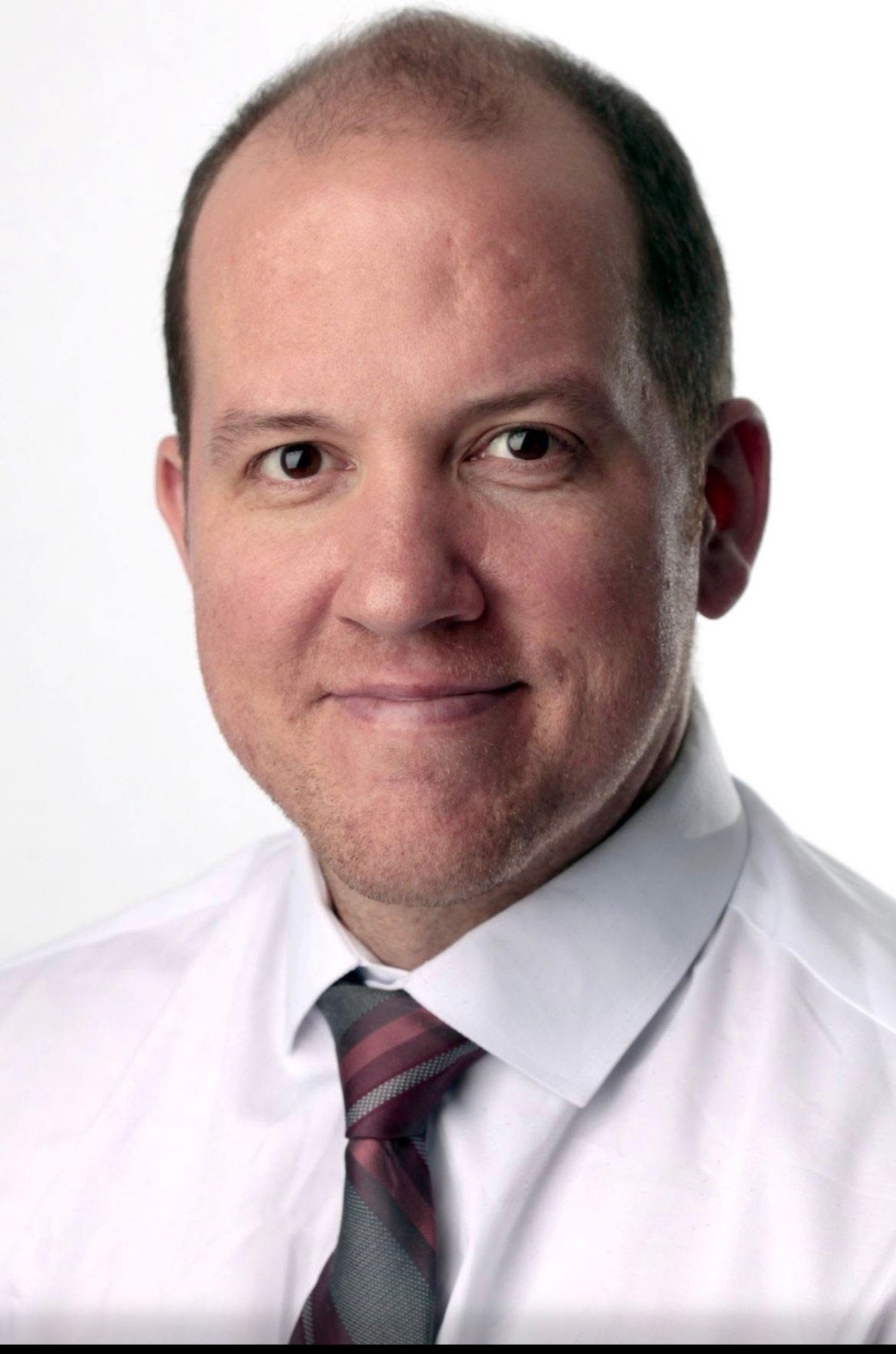
Brenda Smith, senior director of The Standard's Workplace Possibilities program

Read more:  Employers are investing in virtual care to close healthcare gaps

Tools for work success

The various products that will be on display in the center cover a broad range of needs, from a cooling vest for outdoor work to adjustable office desks to special lights that assist those with vision impairments. The level of accommodation varies greatly as well, with small tools such as a computer mouse that can be operated with the foot to an entire magnet-based desk and chair combo from Altwork that rotates to allow the user to work on their back. 

An upcoming preventive care AI-video tool can record an employee's common movements at work and identify anything high-risk that could exacerbate their condition, then offer recommendations for better alternatives.  

The Standard has a reasonable accommodation expense benefit for these types of items, and Smith suggests benefit leaders discuss accommodation product alternatives with their health plan provider to become more informed about ways they can assist their workforce. People want to continue to work, she says, and accommodations are a good way to care for their unique health needs.

Read more:  Why Gen Z's AI skillset isn't translating to the workplace

For customers not in the Portland area, an interactive virtual tour of the center will be available later this year. Smith encourages benefit leaders considering any types of accommodation tools to partner with a benefit provider who can offer insight and vetted options, rather than just search for products on their own. 

"It will save time, but more importantly, it's going to help them understand the options," she says. "We see employers feeling overwhelmed; they know they need to do something, but they don't have the expertise or the knowledge to make that happen. That's where we come in, to help with that and say, we've got you." 


For reprint and licensing requests for this article, click here.
Employee benefits Employee retention Health and wellness
MORE FROM EMPLOYEE BENEFIT NEWS
Load More