- Key insight: Learn how holiday catering and format now drive workplace connection and culture-building strategies.
- Expert quote: Thoughtful holiday events are strategic investments in culture, not "enforced fun," — Robert Kaskel.
- Supporting data: 82% plan to attend company parties, up from 70% last year; budgets rising.
- Source: Bullets generated by AI with editorial review
When it comes to
In a recent survey from
The same survey reveals company party planners are rising to the occasion, with more than half saying their organizations are increasing budgets for these events. By investing these funds in what employees say matters — social bonding through good food, celebrations during the workday and a comfy set up — companies can get more bang for their buck.
"Team bonding doesn't happen as naturally as it once did, so leaders have to create opportunities for it," says Robert Kaskel, VP of people, at food-tech platform ezCater. "A thoughtful workplace holiday party is a strategic investment in your company culture. With [many] workers saying these events help them bond and develop friendships, this isn't just "enforced fun" — it is a critical tool for employee retention and morale."
Read more:
What employees want
Great food
According to ezCater's data, 93% of employees agree that food is the No.1 catalyst for interaction at the holiday party, and 50% admit the menu influences whether or not they will attend.
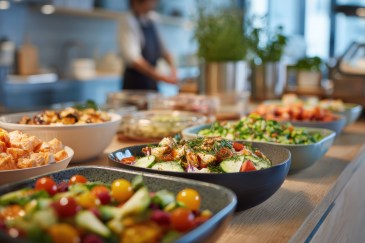
"Food is the secret ingredient to a successful and highly-attended celebration. It anchors the event and gives people a natural reason to connect," Kaskel says. "Great food and diverse options that meet employees' dietary needs are key to ensuring everyone feels welcomed, included, and encouraged to attend. If you want high attendance, the menu has to be the main attraction."
ezCater collaborates with benefit leaders on holiday events and other food needs, offering local food options and catering to food type and dietary restrictions, all while staying on budget.
"Most HR teams are already stretched thin, and asking them to become professional event planners in Q4 is a recipe for burnout and might result in a less-than-awesome party," Kaskel says. "Leaders can stop worrying about logistics and focus on the culture they're trying to build."
Read more:
Keep it casual
Sixty-two percent of employees would like a casual dress code for corporate holiday events, and 53% want something planned during the workday as opposed to after hours. In a time when workers are looking to spend less money and more time with family, carving out time for a special event during a regular workday sends a strong message.
"Hosting the annual holiday party during the workday is an act of empathy," Kaskel says. "It signals that you view team bonding as a core part of the job, not an after-hours obligation that competes with personal time. It [also] democratizes the event, making it accessible to parents and commuters who might skip an evening celebration, and creates a lower-pressure environment for genuine connection."
Read more:
Get strategic with setup
The survey found that Gen Z employees are 42% more likely than other generations to feel stressed about attending company holiday parties and 60% more likely to worry about being left out of the social interactions that take place. Kaskel recommends setting the event up in a way that encourages movement and small group interactions, and using food stations or a buffet that encourage gathering and natural conversation starters.
By going the extra mile to plan an event employees will appreciate, organizers can help set the tone for connection that lasts into the oncoming year.
"When you execute a company holiday party well, respecting people's time and tastes, you build trust," says Kaskel. "A successful event serves as a launchpad for the year ahead. It reminds everyone that they are part of a community. That feeling of belonging doesn't disappear when the leftovers are packed up; it translates into better employee collaboration and engagement in January and beyond."