- Key Insight: Discover how extreme weather triggers delayed, sustained employee mental‑health leave spikes.
- What's at Stake: Rising behavioral‑health absences strain staffing, compliance and operational resilience.
- Supporting Data: Employers saw up to 77% mental‑health leave increases after Hurricane Harvey; ComPsych covers 6 million.
Source: Bullets generated by AI with editorial review
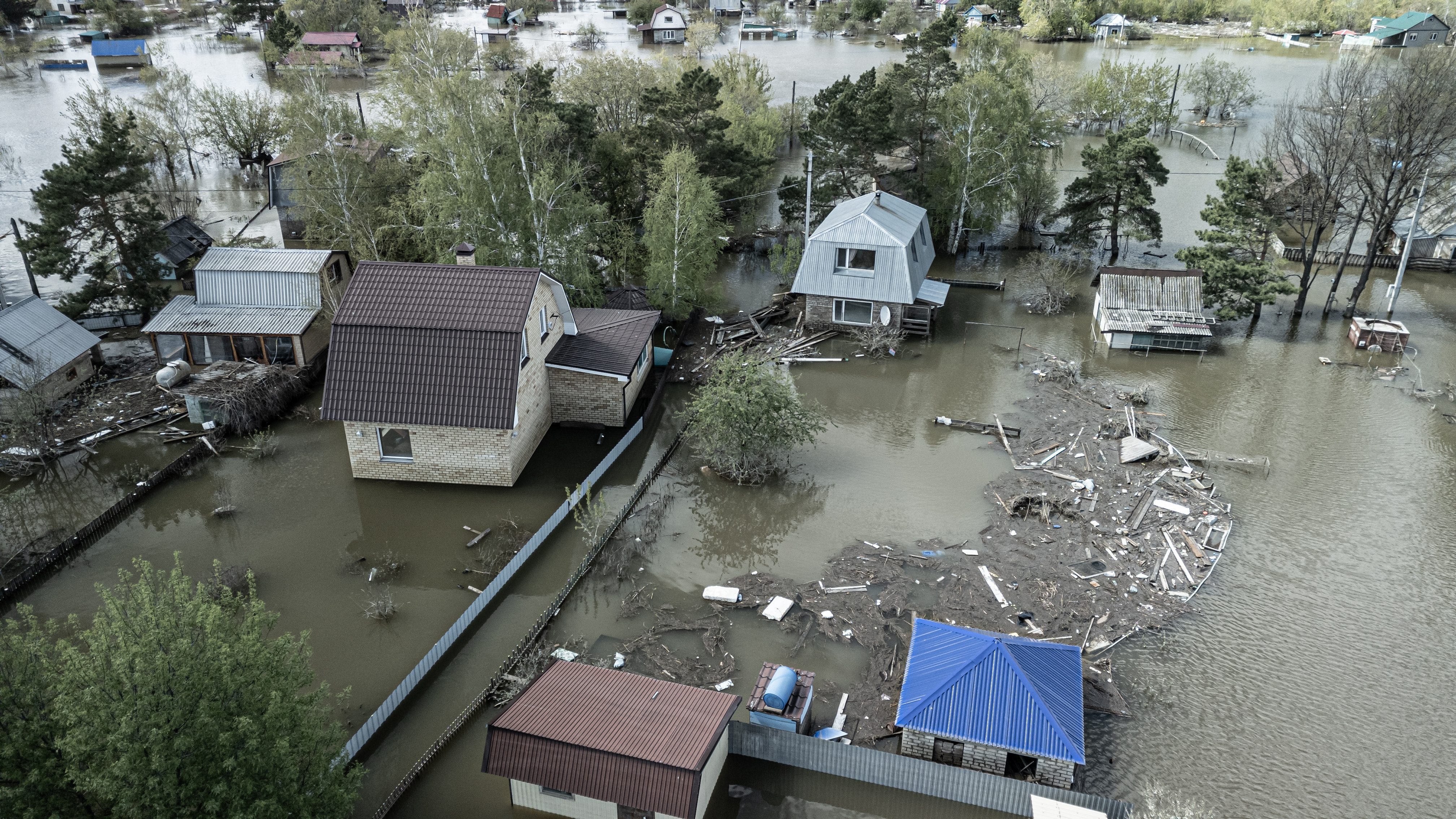
When extreme weather strikes, the focus is often on the immediate aftermath. But for the people who live through it, the psychological toll may not emerge until much later.

New research from ComPsych Corporation shows companies experience a sustained rise in mental health leaves months after
"Our analysis shows that post‑event trauma creates significant,
The employee mental health and well-being services company analyzed employee leave data following three major disasters: Hurricane Harvey, the Maui wildfires
Read more:
ComPsych compared
A year and a half after the deadly hurricane, those employers saw mental health leaves jump 77%, far outpacing the 8% increase among ComPsych's clients.
Similar surges followed the Maui wildfires in Hawaii (37%) and Hurricane Helene in Florida and South Carolina (43%) six months after those disasters.
Ongoing support
Psychological responses to trauma often evolve over time, according to the ComPsych research, and many people initially focus on practical survival and may not fully process emotional effects until weeks or months later. Morris used the example of a soldier returning home from a war zone and suffering from
"We know from soldiers coming home that PTSD is lasting for years and years," he says. "It's a different trigger and different set of circumstances, but it's the same emotional reaction."
Morris says employers should ensure access to ongoing behavioral health resources, including counseling and other mental health services. Regularly reminding employees about available support can help break the stigma and encourage them to get care if symptoms stick around.
One of the biggest hurdles to employees getting help is that they often forget
"We hear that again and again from HR and from employers," Morris says. "This is an opportunity to go, 'We have these resources. We're getting them to people. They understand what it is, and we're creating an easy on ramp so they can get these benefits.'"
ComPsych's research calls
Read more:
"When these things happen — and they will — employers need to be prepared for how this is going to affect their workforce," Morris says.
While offering help to those impacted by extreme weather events, benefit leaders also need to look out for employees who may be struggling in silence, Morris says. "You need to have your antenna up and look around your workforce."
If something appears off or there are noticeable behavioral changes, he adds, "lean in and ask if there's a way that you can help."