With or without GLP-1s, your business needs a metabolic health strategy
To truly flip the script on metabolic disease, benefit leaders must build a cost-efficient, supportive plan for employees and their business.


Follow Us
© 2026 Arizent. All rights reserved.

To truly flip the script on metabolic disease, benefit leaders must build a cost-efficient, supportive plan for employees and their business.
As salary budgets aren't expected to grow in 2027, employers are looking for new ways to attract and retain workers through smarter compensation and workforce strategies.


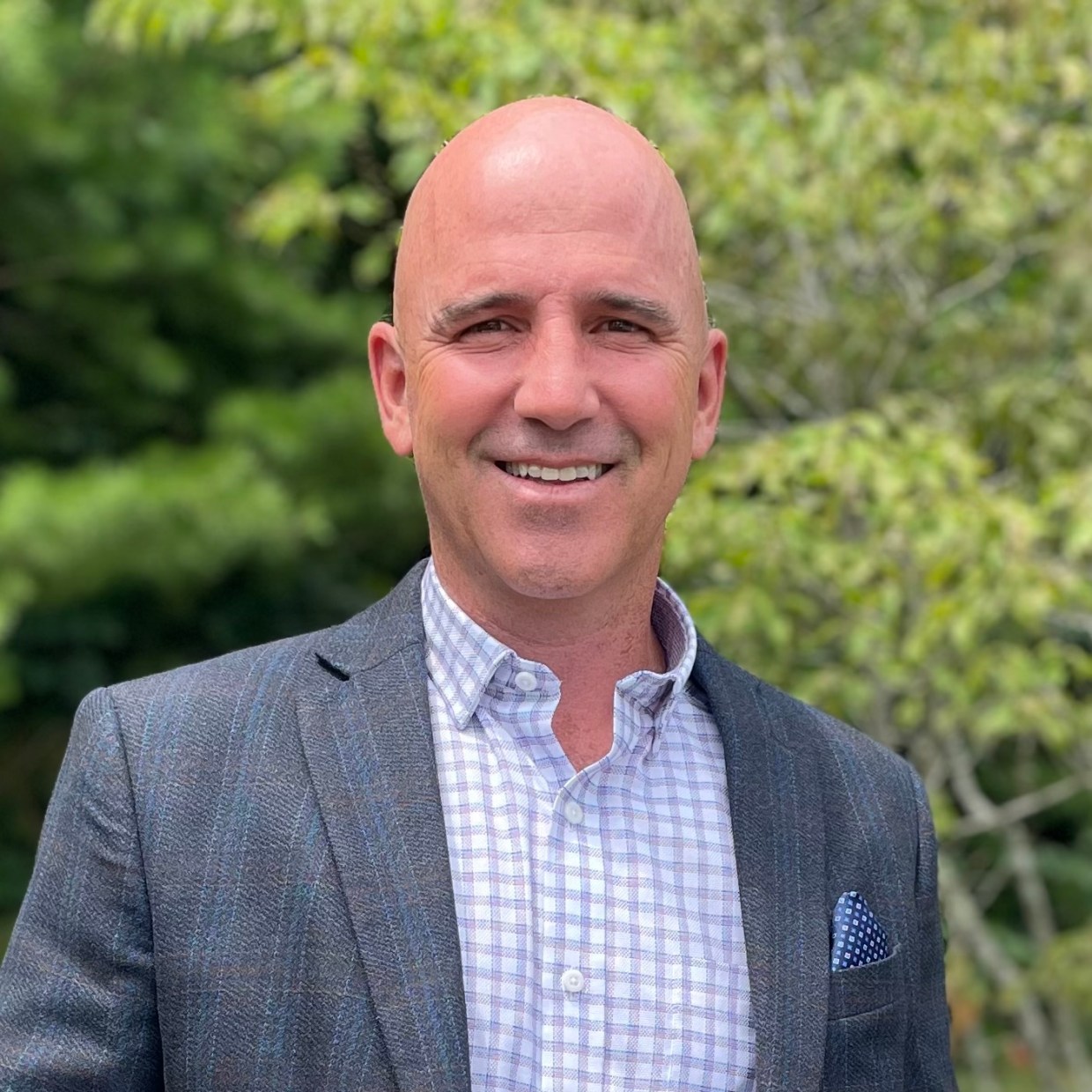
Former pro linebacker and Army officer Caleb Campbell shares his experience managing pressure and why long-term success requires comprehensive support.
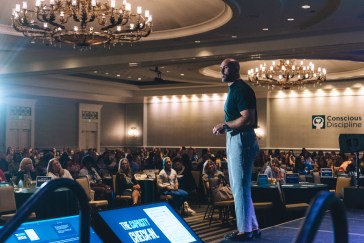
Providing working parents with time and resources to care for their children during times of illness offers returns in the forms of productivity and retention.
Benefits that effectively support employee caregivers have a dramatic impact on their ability to remain healthy and productive at work.
Return-to-office mandates require clear communication, supportive benefits, and a big helping of trust.


Employers are increasingly exploring lifestyle spending accounts as a way to deliver health and wellness flexibility to a workforce demanding it.

At Sun Life, offerings like paid family medical leave, sabbaticals and flexible work arrangements set top talent up to thrive.

Development opportunities help employees pursue career paths and apply new skills that align with essential company roles.

From flexibility to promotions to pet insurance, personalized perks and performance recognition incentivize top employees to give their best at work.

New research shows 68% of workers don't expect women to power through symptoms with no support. Experts suggest a whole-health approach.

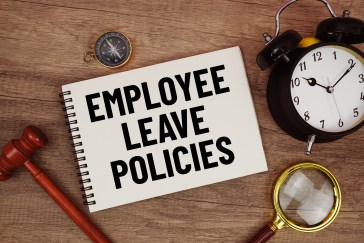
With leave requests on the rise, combining required and company-specific leave practices into set criteria saves time, avoids liability, and improves culture.
Organizations are struggling to crack the code on young professionals, but a few changes to their strategy could make all the difference.


Streamlining the leave process, including geographical compliance, accommodations and return to work, takes a large administrative burden off of HR departments.
Better benefit plan design and HSAs can support employees as they struggle to afford their medical bills.

Offering a variety of both financial and nonfinancial perks can help ease the friction of these workplace treks.

With the majority of employees living paycheck to paycheck, faster access to wages can give them a better shot at building financial security.

Adoption benefits rose again in 2026, with average reimbursement topping $16,700 and paid leave increasing, according to a new Dave Thomas Foundation survey.

By assessing the needs of various employee populations within a workforce, benefits can be constructed to be more independent and effective.
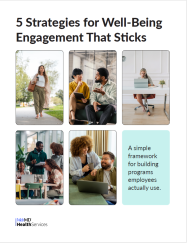
The HR and benefits leaders' guide to improving participation, reach and sustained engagement in workplace well-being.