Benefits Think Affordable vs. robust a false tradeoff in health benefits
When employers look beyond premiums and examine access, clarity and risk distribution, better options tend to emerge.
Follow Us
© 2026 Arizent. All rights reserved.

When employers look beyond premiums and examine access, clarity and risk distribution, better options tend to emerge.
As employees' benefit needs evolve, leaders must rethink how they support them with more progressive practices.


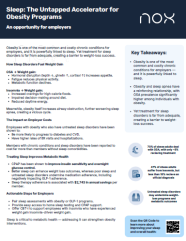
For HR and benefits leaders: See how sleep impacts weight loss and program success.
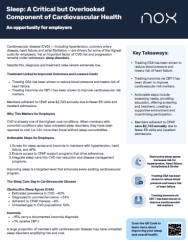
For HR leaders: Learn how sleep impacts cardiovascular risk and healthcare costs.
Lively's HSA Spend Report shows consumers are increasingly using accounts for online wellness, mental health, and weight-loss products.

An HR veteran lays out how AI and data collection can improve existing benefits' value and bolster the case for additions.


Traditional offerings are becoming too restrictive, but a new healthcare approach can be more progressive and effective.

Novo Nordisk will cut prices for Ozempic and Wegovy by up to 50% next year, prompting employers to plan for rising use and manage benefits costs.

A meaningful treatment strategy prioritizes early access, trusted guidance and right-site care before pain escalates into imaging, injections, surgery or long-term disability.
Benefits meant to support employees through their diagnosis aren't comprehensive or inclusive enough.

You Powered Symposium earmarks $50,000 between Radial's treatment for a wide range of brain disorders and Hibiscus Health's cardiometabolic risk screening.


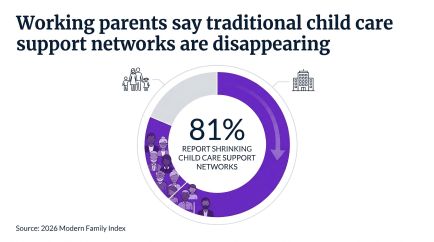
With fewer relatives and neighbors available for help, parents say workplace child care resources are essential to manage daily demands.
Designed to monitor workloads, the technology will match hours reported with digital activity in an effort to prioritize employee well-being.

The public sector is notorious for burnout among its employees. Here are proven HR strategies that protect your government teams and mission.

Transparency is becoming the baseline, with visibility into compensation streams and financial relationships increasingly expected rather than optional.

A study finds employees take more mental health leave months after disasters, highlighting delayed trauma and the need for longer-term support from employers.

Supporting pregnancy loss directly strengthens workforce stability, protects productivity and reinforces culture.
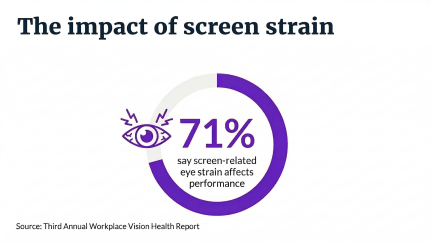
Desk workers are spending nearly 100 hours a week on screens, a new survey finds, with most saying eye strain is affecting their work performance.
Employers now face an inflection point: recognize leaves as an opportunity to strengthen workplace culture or continue to treat them as a disruption.
A new survey finds U.S. employees conceal caregiving responsibilities, citing stigma and fear of career setbacks.