- Key insight: Discover how interventional psychiatry and cardiometabolic screening are shifting employer benefits.
- What's at stake: Rising chronic-condition spend could destabilize plan costs and broker value propositions.
- Forward look: Brokers must adapt as employers demand validated clinical screenings and interventional mental-health solutions.
Source: Bullets generated by AI with editorial review

What do a dual board-certified psychiatrist who champions evidence-based interventional psychiatry and
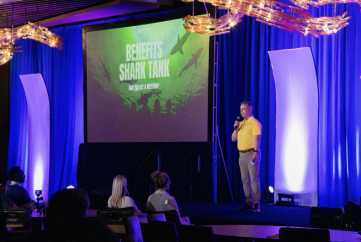
They each secured a $25,000 investment in their respective startups from Benefits Shark Tank, a competition modeled after the popular TV show of the same name that was featured at the recent You Powered Symposium for
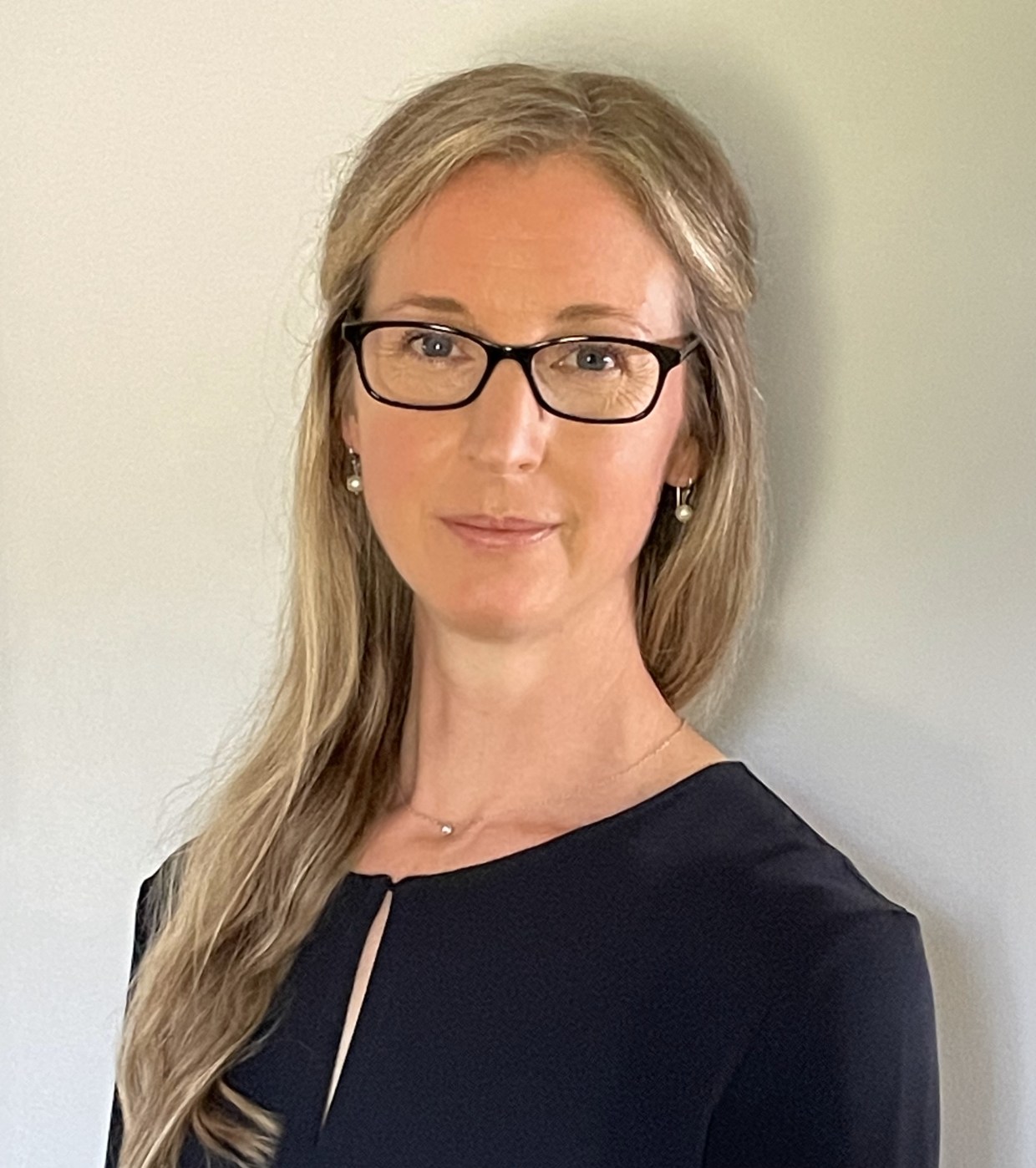
Meet Owen Muir, M.D., co-founder and chief medical officer for Radial whose presentation a panel of judges considered the best of five pitches, and Kavi Misri, founder and CEO of Hibiscus Health, who attendees chose to split the $50,000 prize money. That investment came courtesy of the Validation Institute whose co-founder and CEO, Al Lewis, presided over the event.
Read more:
Radial treatments for a wide range of brain disorders include transcranial magnetic stimulation, a non-invasive, FDA-approved, drug-free therapy for
Launched in July 2023, Hibiscus Health offers self-insured employers a clinically validated cardiometabolic risk screening for employees who also are able to meet with a registered dietitian and mental health professionals.
The app allows users to check their vitals, keep a food log, access resources and receive 24/7 support. It also features a 30-second face scan that measures blood pressure, cholesterol, A1C and more, providing instant results.
Read more:
Serving high-cost claimants
Muir is one of four Radial co-founders along with his wife, Carlene MacMillan, M.D. The company has been operating for two years. A psychiatrist as well as a physician, he has seen how mental health issues drive claims.
"If you look at the top 3% of spenders who account for 55% of spend in most health plans, half of them will have a diagnosed psychiatric illness," he reports. "In the remaining 97% of the population, that number is 13%. So just having a psychiatric disorder is identifying yourself as being highly likely to be among the highest-cost claimants."

Like other pioneers in the healthcare field, Muir is a big believer in treating the root cause of illness rather than symptoms.
"The problem is we look at things like GLP-1 spend and clutch our pearls," he observes. "But why are people so obese? Well, it turns out depression is a driver of obesity, antidepressant medication is a driver of obesity, augmenting antidepressant medication is a massive driver of obesity. And if you want to prevent people from getting fat, you should probably prevent them from getting depressed and do it without oral medications because they don't work and make you obese."
His company's treatment approaches hold tremendous promise relative to traditional treatment. "We can get depression to be over in remission with no more signs or symptoms of disease with no drugs in a week," he says.
Read more:
Championing early diagnoses
Misri was drawn to the healthcare field early because of his own medical challenges. Born with a congenital heart defect that required two open-heart surgeries, he learned in recent years that he was pre-diabetic. Describing the diagnosis as more of a genetic condition traced back to a grandfather who died because of complications from type 2 diabetes, it got him thinking about a much larger problem across the U.S.
"One in two Americans are either diabetic or pre-diabetic, and about 80% of them just don't know that they are, and unfortunately they find out when it's too late," he says. "That is costing the health system billions of dollars. But on a unit economic side, it costs about $20,000 more each year to manage one person with diabetes than it is with pre-diabetes."

Read more:
One huge concern Misri has had through the years is the knowledge that certain cardiometabolic conditions go undetected because of care-access barriers, which is why he founded his company.
After healthcare M&A investment banker stints with JP Morgan and SunTrust, he also started a company called Rose Health that used natural language processing to detect semantic tones and run sentiment analysis on journal entries that users would input to detect depression, mood disorders and suicidal ideation.
There's no underestimating the importance of bringing novel approaches to the employer-provided health benefits market. Noting that the vendor-selection bar has been substantially raised in recent years, Misri says "brokers are under pressure to be able to bring new solutions to their employer clients and show value."