Benefits Think How self-funding can work for smaller companies
Once-risky options are now viable, thanks to the ACA, says BCI Group’s Director of Benefits Roberto Flores.

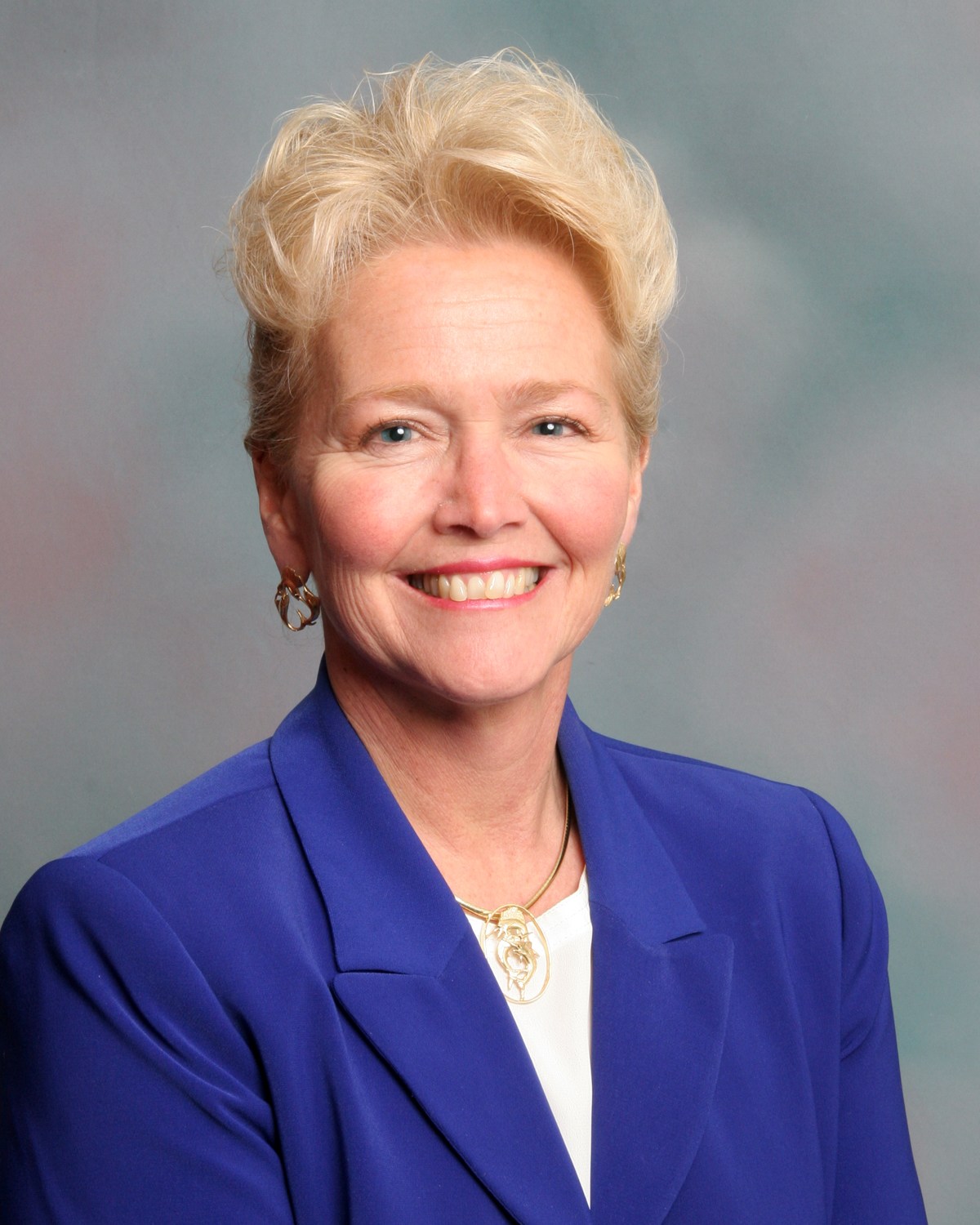
Roberto Flores
BCI Group Inc.
Follow Us
© 2026 Arizent. All rights reserved.

Once-risky options are now viable, thanks to the ACA, says BCI Group’s Director of Benefits Roberto Flores.
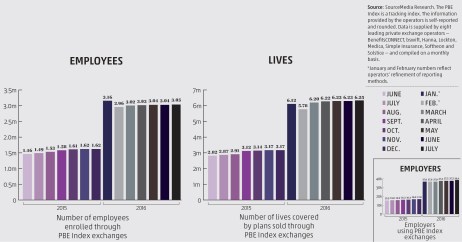
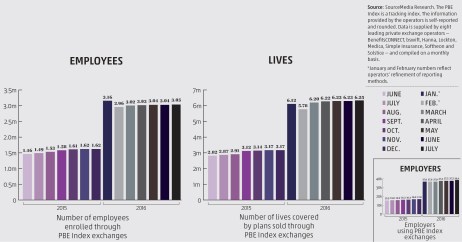
Over the past 12 months, the Private Benefit Exchange Index has seen significant gains.

Angie Villamaria, director of associate wellness for Centura Health, put rhetoric into action by implementing a weight loss program for the health network’s employees.

Rate increases are higher than they appear, as low-cost plan options are disappearing, says adviser Craig Hasday.

Don’t be the next company to pay $700,000 for an ambulance ride.

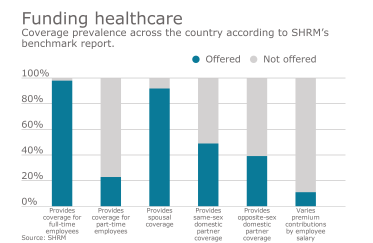
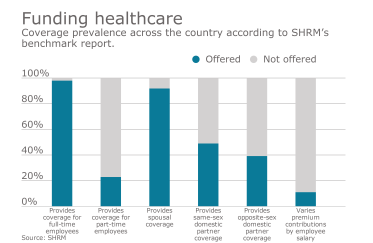
The average cost of employee healthcare makes up 7.6% of a company’s annual operating budget, SHRM finds.

Over the past 12 months, the Private Benefit Exchange Index has seen significant gains.
For employers who implement the right solution to Affordable Care Act requirements, the benefits include reduced costs, improved accuracy and year-to-year repeatability.

Employers must help workers understand each of the available plan types and the terms that are commonly used to describe them.
Change likely due to ACA, United Benefit Advisors research finds.


Employers need to expand efforts on educating employees about healthcare savings, says Alegeus CEO Steve Auerbach.

Change likely due to ACA, United Benefit Advisors research finds.

The average cost of employee healthcare makes up 7.6% of a company’s annual operating budget, SHRM finds.
Bernard Health founder Alex Tolbert talks to EBN about why healthcare costs continue to escalate and how those increases are impacting employees’ wage and salary increases.


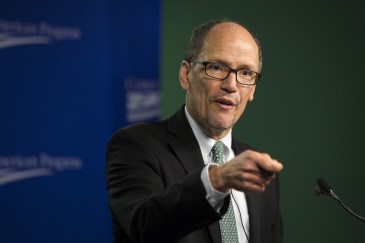
Roughly a third of American workers don’t have a retirement vehicle, says Labor Secretary Thomas Perez.
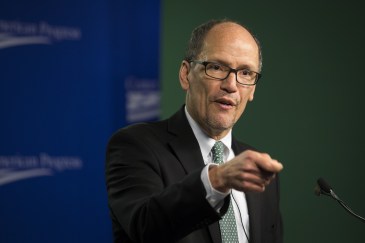
Roughly a third of American workers don’t have a retirement vehicle, says Labor Secretary Thomas Perez.
Employers are exploring new options such as self-insurance, which is expected to increase by 35% in two years.
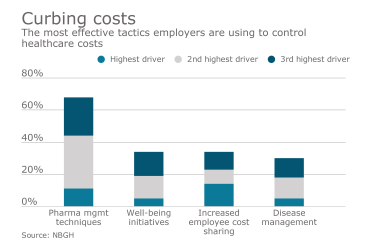
Employers are exploring new options such as self-insurance, which is expected to increase by 35% in two years.
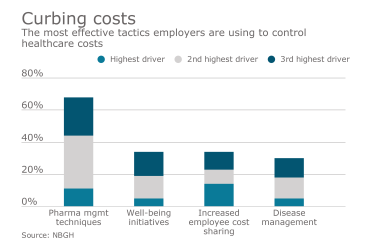
Let’s consider the impact of the approaching moratorium, the ways employers can use it to their financial advantage and what might happen when it ends in 2018.

Health systems do not want to lose money for better health outcomes, say consultants Brian Klepper and Fred Goldstein.