NBCH’s new CEO outlines key initiatives
Michael Thompson discusses how the National Business Coalition on Health plans to address consolidation in the benefits industry and a proposal for a well-being institute.


Follow Us
© 2026 Arizent. All rights reserved.

Michael Thompson discusses how the National Business Coalition on Health plans to address consolidation in the benefits industry and a proposal for a well-being institute.
Presidential candidates are unlikely to advocate for any of these changes so it’s up to employers and their advisers to take a run at them.

If your employer-sponsored FSA has a grace period, your employees have an extra two-and-a-half months (until March 15 for plans that ended Dec. 31) to spend FSA dollars from 2015.
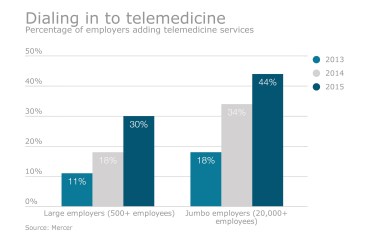
The use of telemedicine is growing, with almost two thirds of organizations offering or planning to offer such a service by 2018.
But don’t expect any of the presidential candidates to advocate these changes. More knowledgeable stakeholders like advisers are going to have to take a run at this.
As onsite clinics become more popular, here are six core measures employers can use to determine their effectiveness.

Data analytics and delivery system reform are areas of focus in the private sector, says Kathleen Sebelius, former U.S. secretary of HHS.


How Quizzify makes learning about healthcare fun, delivering information to clients and employees in a game-show contest format.
Investing in community, dependent health leads to a more productive workforce, says advocacy group HWHC.

Advisers should prepare to work with companies who say they are considering major plan shifts this year to stay ACA compliant while still attracting and retaining talent.

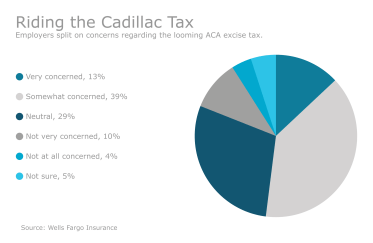
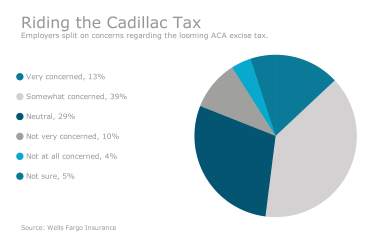
Delivery system reform and improved population health are two areas of the Affordable Care Act that haven’t received as much attention from employers as the Cadillac tax, said Kathleen Sebelius, former U.S. secretary of Health and Human Services this week at an NBGH conference.

Advisers should focus on working with employers to utilize smart benefits technology to create individualized programs that appeal to every worker.

Employers are planning on making big changes to their benefits plans this year as they look to stay ACA compliant while still attracting and retaining talent.
Investing in community health leads to better workforce health, says Healthy Workplace Healthy Communities, a group launched to provide employers resources and tools to engage local leaders.
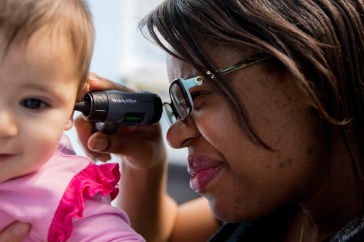
Quizzify makes learning about medical care fun and interesting, delivering information to employees in a fun, game-show contest format.
With medical inflation out pacing general inflation 7 to 1, advisers need to help their clients design benefit plans based on the actual health status of their employees.
The usage of telemedicine is growing, with almost two thirds of organizations offering or planning to offer such a service by 2018.

Excessive and expensive treatment is at the core of the healthcare cost crisis, says Brian Klepper.

The levy on high-cost plans is on the horizon and advisers need to prepare for it, says Davin Millholland.

How have employer-sponsored benefits changed since the last leap year? Long-term trends can give organizations a better understanding of whether they’re ahead (or behind) the benefits curve, says Compdata.