Health plans need to gird for post-COVID surge in expenses
COVID concerns led millions of patients to put off routine care and screenings in 2020, so health plans will need to rethink how they forecast expenses.

Follow Us
© 2026 Arizent. All rights reserved.

COVID concerns led millions of patients to put off routine care and screenings in 2020, so health plans will need to rethink how they forecast expenses.
The study found that younger adults, women, Black people, adults not living in cities and those with low education, low income and lacking health insurance were most likely to say they didn’t plan on getting a vaccine.

It's even more difficult for an employer to know when employees are facing difficult health problems and connect them with the benefits and resources that can help them.

Sometimes called “concierge” care services, care navigation refers to services that help patients access and coordinate healthcare — particularly when multiple providers, sites of care and types of healthcare services are involved.

The current layoff situation and legislative action to extend periods and deadlines associated with COBRA means that people who would not have considered electing COBRA prior to COVID-19 may choose to do so soon, and in record numbers.
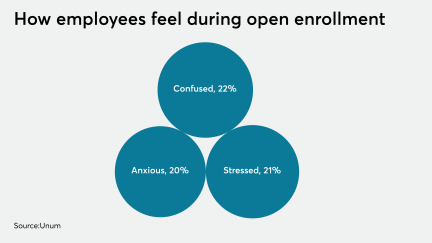
Reviewing the plan options and programs that support your well-being can go a long way towards providing peace of mind during open enrollment.

This year’s worldwide COVID-19 pandemic has further highlighted the reasons why employers should consider a self-insured strategy over a fully insured model.

A good return-to-work solution should involve a mobile app or a screening survey that allows employees to perform a daily self-assessment, but this should work in tandem with virtual care or telehealth services.

For most employers, just 1% of their members are driving 40% or more of pharmacy benefits costs.

Including health benefits in your employee experience efforts will show employees that your entire people strategy is built around supporting and equipping them to thrive.

Companies should adopt strategies from across three different categories — screening and testing; workplace policies and design; and health and healthcare access when planning their workplace return.

Instead of choosing a one-size-fits-all plan for a group, employers can offer fixed reimbursements that employees can use to purchase their own insurance or use for medical expenses.

If Democrats win in November, single-payer healthcare could still be on the agenda. Its adoption would shake up the benefits industry.

The usual time to sign up for health insurance is during open enrollment but businesses and the Marketplace allow you to make changes to your health insurance anytime if certain major life events happen.

The growing costs faced by today’s health care purchasers and plan members have many returning to proven strategies like V-BID, which lowers or eliminates the out-of-pocket cost for high-value services or medications.

There is wide variety in how aggressively the rules are issued and applied during the coronavirus pandemic, and businesses often don’t know which way to turn.

Public health specialists said a range of tools, high-tech strategies and old-school public health interventions could help tamp down the spread of COVID-19.

Within the bill are several important provisions affecting employers, including requirements for coverage of COVID-19 testing and treatments, as well as the potential impact to group health plans.

It’s estimated that workplace stress now costs employers $500 billion annually in the form of decreased performance at work or absenteeism.

The five-day, 40-hour work week is an American tradition borne from the factories of Henry Ford; more employers are now challenging that standard. Can there be new models for work?
