Benefits Think A health insurance primer for your employees during Open Enrollment
Everything your employees need to know to choose the right healthcare plan.

Robin Gelburd
FAIR Health
Follow Us
© 2026 Arizent. All rights reserved.

Everything your employees need to know to choose the right healthcare plan.
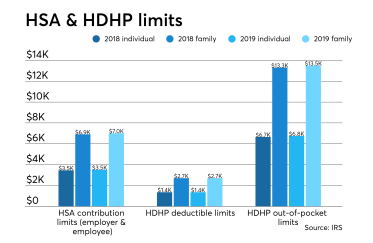
While half of employers are enrolled in a high-deductible health plan, 41% cannot pay for healthcare costs.

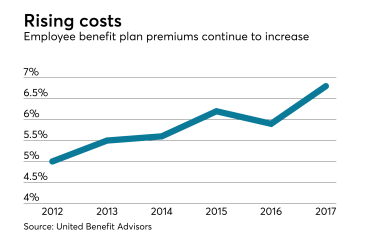
Benefit brokers who are proactive and address near-certain cost hikes will become valuable client counselors.

President of Energi Insurance Services in San Juan Capistrano, Calif., Craig Lack identifies how brokers can claim new clients by showing them the cost of inaction.
The knowledge that employers are paying claims can dramatically change employees’ entire outlook on health benefits and total compensation, says CBIZ's Zack Pace.

Employers are increasingly adopting reference based pricing and reimbursements as a way to more effectively determine and control health costs.

With employers increasingly turning to VBs to fill coverage gaps, insurers like Unum are offering new systems to automate enrollment.

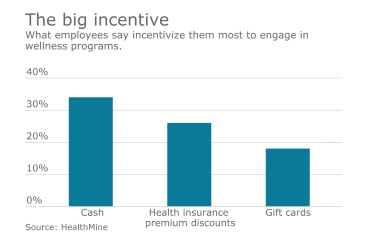
Despite mounting evidence that cash and other incentives can significantly boost participation, the majority of these programs fail to provide meaningful inducements.
Employers are increasingly adopting reference based pricing and reimbursements as a way to more effectively determine and control health costs.
The Obama administration’s top health official highlighted the importance of competition to insurance markets, as the Justice Department is poised to decide on two massive deals among four of the health-plan industry’s biggest players.

The company’s new “Preferred Partnership” arrangement with a select network of local providers aims for cost savings and a superior patient experience.


It’s not as mysterious as it’s often made out to be. New findings clearly show that people are more confident about purchasing health plans when they can address their questions to another person.

Brokers are trying to help employers control costs, but are seeing little success, says HR Technology Advisors’ Joe Markland.

Even people who have not earned 40 work credits can still sign up for the program but will have to pay a premium for hospital coverage.

Even people who have not earned 40 work credits can still sign up for the program but will have to pay a premium for hospital coverage.

With employers increasingly turning to VBs to fill coverage gaps, insurers like Unum are offering new systems to automate enrollment.

The company’s new “Preferred Partnership” arrangement with a select network of local providers aims for cost savings and a superior patient experience.

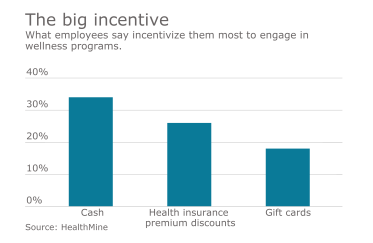
Despite mounting evidence that cash and other incentives can significantly boost participation, the majority of these programs fail to provide meaningful inducements.
Employers are lowering their own premiums through coinsurance and high deductibles. But efforts to help workers control their spending through smarter healthcare decisions have met with less success.

Brokers are trying to help employers control costs, but are seeing little success, says HR Technology Advisors’ Joe Markland.