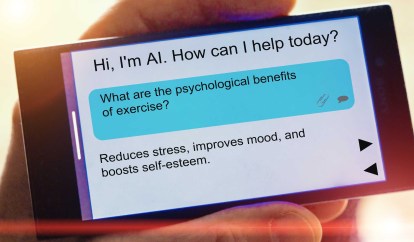
AI alone isn’t enough: Employees still want trusted financial support
Employees are embracing AI for money guidance, but new research finds they still want trusted human assistance and personalized tools that connect their full financial picture.

Follow Us
© 2026 Arizent. All rights reserved.

Employees are embracing AI for money guidance, but new research finds they still want trusted human assistance and personalized tools that connect their full financial picture.
Benefits that effectively support employee caregivers have a dramatic impact on their ability to remain healthy and productive at work.
Return-to-office mandates require clear communication, supportive benefits, and a big helping of trust.


Employers need to rethink how they support women through the benefits and life challenges that make staying at work difficult.


Opportunities like mentorship, collaboration and workplace friendships continue to motivate young talent to go into work — they just want a better space.

Employers are increasingly exploring lifestyle spending accounts as a way to deliver health and wellness flexibility to a workforce demanding it.

A preventative and proactive approach offered as a stand-alone benefit will help avert crises and the accompanying ripple effect on well-being and productivity.


At Sun Life, offerings like paid family medical leave, sabbaticals and flexible work arrangements set top talent up to thrive.


Warmer months can exacerbate common symptoms and sap productivity. Simple workplace adjustments can go a long way in making women more comfortable.

The hotel giant's first workplace culture report reveals why manager relationships, flexibility and employee recognition are shaping the future of work.

Development opportunities help employees pursue career paths and apply new skills that align with essential company roles.

If benefits aren't showing up in exit interviews, don't assume they're not a factor – assume you're not asking the right questions.

From flexibility to promotions to pet insurance, personalized perks and performance recognition incentivize top employees to give their best at work.

New research shows 68% of workers don't expect women to power through symptoms with no support. Experts suggest a whole-health approach.

As AI makes compensation data more accessible than ever, the future is about interpreting, challenging and using data to drive better decisions.

With leave requests on the rise, combining required and company-specific leave practices into set criteria saves time, avoids liability, and improves culture.
Organizations are struggling to crack the code on young professionals, but a few changes to their strategy could make all the difference.

While companies are increasingly accounting for a neurodiverse workforce, their performance management technology needs to keep pace.
Trained technology can offer day-to-day support for administrative tasks and important interactions with team members.

Streamlining the leave process, including geographical compliance, accommodations and return to work, takes a large administrative burden off of HR departments.