

Employer health plans leave many workers skipping needed care due to costs
Paytient study finds many insured employees delay care due to cost pressures, highlighting challenges for employers and benefit plan design.
Follow Us
© 2026 Arizent. All rights reserved.

Paytient study finds many insured employees delay care due to cost pressures, highlighting challenges for employers and benefit plan design.

Employers say health care costs remain a top concern as premiums are expected to rise 6% to 7% in 2026, according to a Purchaser Business Group on Health survey.
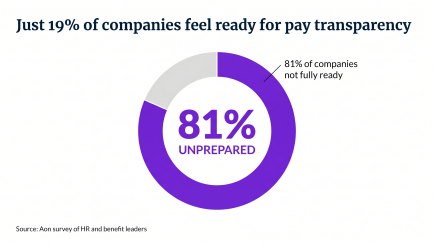
A growing patchwork of pay transparency laws is forcing employers to rethink compensation, even as many admit they are not fully prepared to comply.

A new clearinghouse proposal would auto-transfer retirement accounts, reducing lost savings and simplifying rollovers across employers.

A majority of graduates are willing to accept lower salaries for job security as economic uncertainty and AI concerns shape early career decisions.

A new workplace perk helps employees plan for their first home, combining savings, credit-building tools, and guidance alongside traditional benefits.

Ulteig's flexible work policies let Luc Violette juggle engineering duties and Olympic curling, giving him a path to compete at the Games.

A new study finds most employees choose lower-cost health plans during open enrollment, a trend that may lead to higher out-of-pocket costs later.

Lively's HSA Spend Report shows consumers are increasingly using accounts for online wellness, mental health, and weight-loss products.
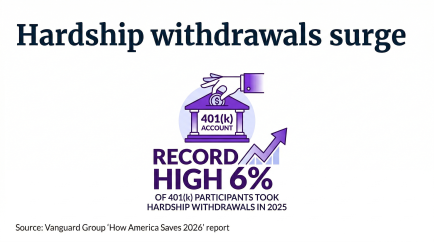
Many families are using 401(k) funds to cover short-term needs, potentially limiting options for future care needs.

Novo Nordisk will cut prices for Ozempic and Wegovy by up to 50% next year, prompting employers to plan for rising use and manage benefits costs.
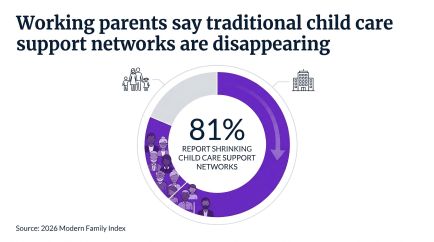
With fewer relatives and neighbors available for help, parents say workplace child care resources are essential to manage daily demands.

A study finds employees take more mental health leave months after disasters, highlighting delayed trauma and the need for longer-term support from employers.
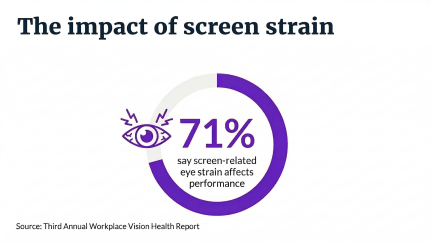
Desk workers are spending nearly 100 hours a week on screens, a new survey finds, with most saying eye strain is affecting their work performance.

A new survey finds U.S. employees conceal caregiving responsibilities, citing stigma and fear of career setbacks.

Three-quarters of employees say they work more than 40 hours a week, as employer expectations, economic pressure and blurred work boundaries fuel overwork.
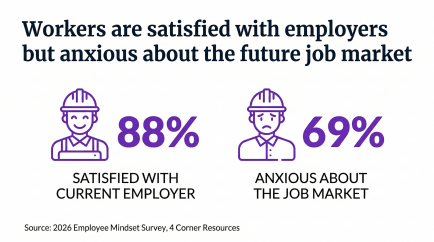
Most workers say they are satisfied with their jobs, but a new survey finds rising anxiety about the labor market, AI-driven job losses and financial stress.

A new J.P. Morgan report finds most Americans haven't calculated retirement needs, but small, consistent changes in saving can make a big difference.

Rising rates of chronic conditions and a surge in six-figure medical claims are pushing up employer healthcare costs, particularly among younger workers.
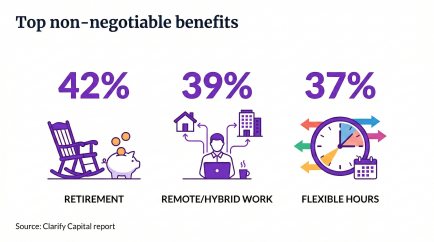
A new Clarify Capital report finds pay remains the top reason workers plan to switch jobs in 2026, while employers struggle to meet rising salary expectations.