6 ways employers can help veterans transition to new careers

Published 2 Min Read

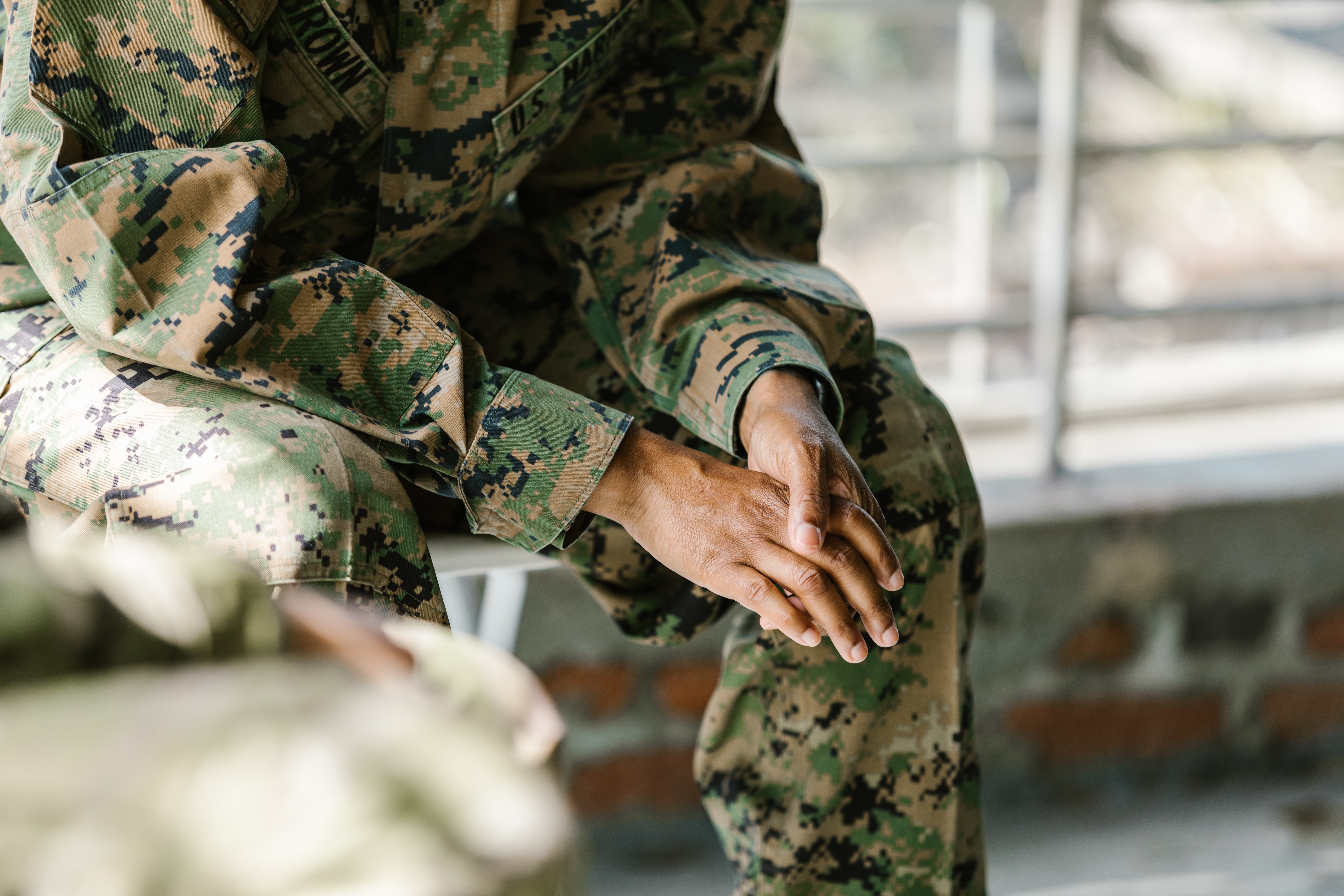
Photo by RODNAE Productions from Pexels

The transition from military to civilian life can be difficult for veterans, especially when it comes to building a career outside of the service.

It can be tough for these mission-driven individuals to showcase how the skills they developed during their time in the service can translate into an office or other work environment, and this miscommunication can result in veterans being turned down for job opportunities they are actually well suited for. And some veterans who do find work after the military often leave quickly because of the challenges in adapting to the new situation.


Transitioning out of the military is an overwhelming experience often made worse by a system that inadequately prepares its members for life after serving. It’s not that veterans don’t have the skills for civilian jobs, according to Jeff McMillan, an Army veteran and chief analytics and data officer at Morgan Stanley Wealth Management. McMillan, who mentors veterans and co-chairs Morgan Stanley’s Veterans program, says it’s that they lack the support necessary to learn how to translate those skills into terms civilian employers would understand.

“The military is extremely linear in its approach — there’s a standard operating procedure and your job description is defined,” McMillan says. “And then all of a sudden you take your uniform off and it’s all gone. There’s nothing. And it’s scary because you don’t even know what you should be asking to do.”

Amanda Schiavo
Associate Editor

Amanda Schiavo is an associate editor of Employee Benefit News. Follow her on Twitter at @SchiavoAmanda.


For reprint and licensing requests for this article, click here.


More From Employee Benefit News

Sign Up Form

Login Modal Form