Benefits Think Innovation is a driving force behind mental health parity
Hybrid plan designs that reduce out-of-pocket costs will make benefits more accessible and ultimately help level the playing field.

An overextended behavioral healthcare system needs to develop a qualified non-clinical workforce to complement clinical practitioners.
As the adolescent mental health crisis continues, young women and LGTBQ teens are experiencing higher rates of hopelessness and depression.
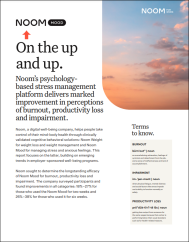
Learn more about how a psychology-based stress management platform can support employees' mental wellness
Dr. LaToya Smith reveals how employers can identify troubling signs that employees are struggling with their mental health — and what they can do to help.
A four-step process ensures that the needs of the employees are being addressed, while protecting the bottom line.
The Mental Health at Work Index will score the effectiveness of an organization's mental-health programs and recommend enhancements.
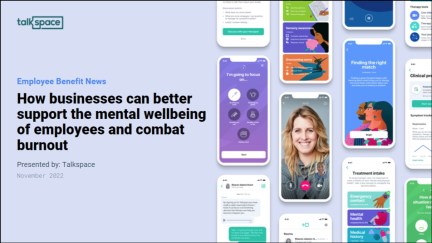
Industry experts discuss ways to retain talent, boost productivity and how to prioritize your mental health within the workplace to combat burnout.
Bert Alicea, psychologist and executive VP of EAP work/life services at Health Advocate, underlines the importance of empathetic leaders and visible mental health resources.
A new study explores the impact of maternal stress during pregnancy on kids' mental health.
Mental health challenges aren’t going away in 2022. Here’s how your company can prepare for what’s ahead.
Employees are struggling to process the trauma of COVID-19, and it’s impacting their performance at work.
With shocking increases in pediatric anxiety and depression during COVID, virtual mental health care platforms are filling in the gaps for parents and kids at a breaking point.
Many first responders do not feel comfortable accessing mental health services despite the toll their work takes on them. But with lives at stake, something needs to change.
The 2021 Pulse of HR Report found that 98% of HR leaders said the pandemic has transformed their role and 70% said that this past year has been one of the most stressful of their careers.
Not only was the number of employees anticipated to leave their current position post-pandemic already high, but employers’ attitudes toward mental health are only worsening the optics.
A shorter workweek boosts employee productivity and can impact a person’s mental health and wellness.
“We need to challenge the idea that everyone should or does drink alcohol,” said Alexandria Walker, co-founder of Bee Sober, at the Society of Human Resources 2021 annual conference.
Don’t just assume your strategies are satisfying female employees — ask them.
Addressing addiction through telehealth makes treatment affordable and accessible for those who need it most.