
Compensation
Compensation
-

The Florida-based beer distribution company brewed up a plan with its insurer, UnitedHealthcare, to engage workers with wearable fitness devices.
March 21 -

Faced with rising insurance premiums, employees are poised to change the rules of the game by demanding cost transparency and quality information, says adviser Mark Gaunya.
March 21 -

The method was designed to help plan sponsors allocate annual raises and promotions but has evolved into a stressful process, says Rajeev Behara, CEO of Reflektive.
March 21 -

The accounting and consulting firm hires many millennials and estimates that up to 15,000 of its 46,000 employees have one or more student loans.
March 21 -
Women continue to lag behind men in terms of saving and planning for their future.
March 21 -

Employees at companies that take a multi-channel approach to programs fare better than others, finds new research from Financial Finesse.
March 21 -

Employers and advisers expect the importance of supplemental benefits to grow, fueled in part by the changing demands of employees.
March 21 -

The looming Cadillac tax is causing clients to be cautious when it comes to contributing to workers’ health savings accounts.
March 21 -

The Cornerstone Insurance Group beefs up its offerings — and even hires a staff wellness director — to win over clients.
March 21 -

Plan sponsors can take immediate steps to help hospitals ensure that employees, dependents -- and all patients –are in better shape after they leave the hospital than when they went in.
March 18 -

Employer clients that have yet to start preparing for the proposed changes are already falling behind, lawyer Tammy McCutchen said during SHRM’s legislative conference.
March 18 -

Why investment committees should be having discussions about environmental, social and governance criteria, a subset of socially responsible investing.
March 18 -
With rising healthcare costs hurting employers, adviser Mark Gaunya says it’s time for quality reform.
March 18 -

UnitedHealth Group Inc.’s OptumRx unit struck an agreement to ease customers’ access to drugs through Walgreens Boots Alliance Inc.’s drugstores, a move to help the business compete with rival pharmacy benefit managers.
March 18 -

The international environmental consulting team offers employees access to mental health therapy 24/7 through its online Learn to Live system.
March 18 -

This month, the agency filed its first two lawsuits accusing employers of gender bias for discriminating against employees on the basis of sexual orientation.
March 17 -

Benefit plan sponsors continue to evaluate the best-use scenarios for PBEs, says exchange head James Harmon.
March 17 -

Ted Benna, who was instrumental in designing early 401(k) plans, comes out of retirement to help small and mid-sized employers determine whether they’re getting their money’s worth from plan charges.
March 17 -
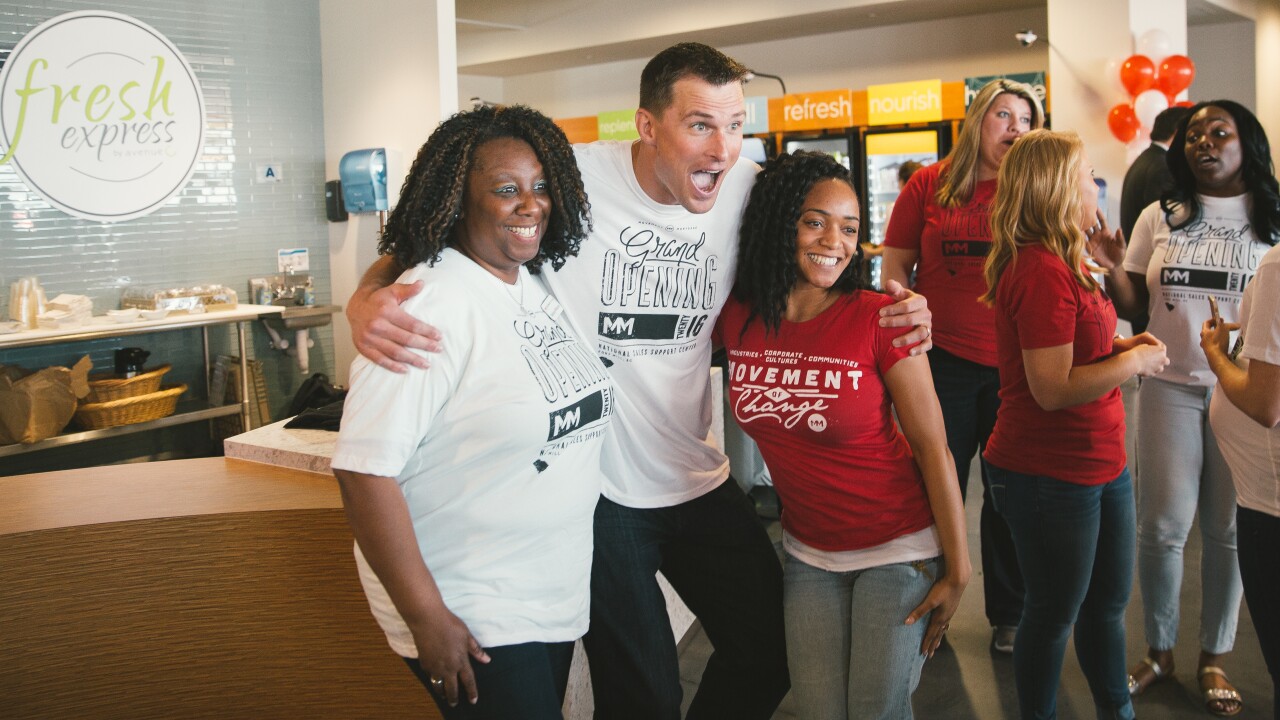
From fiscal assessments to a campaign to help employees shed their personal debt, the firm's program is all-encompassing.
March 17 -
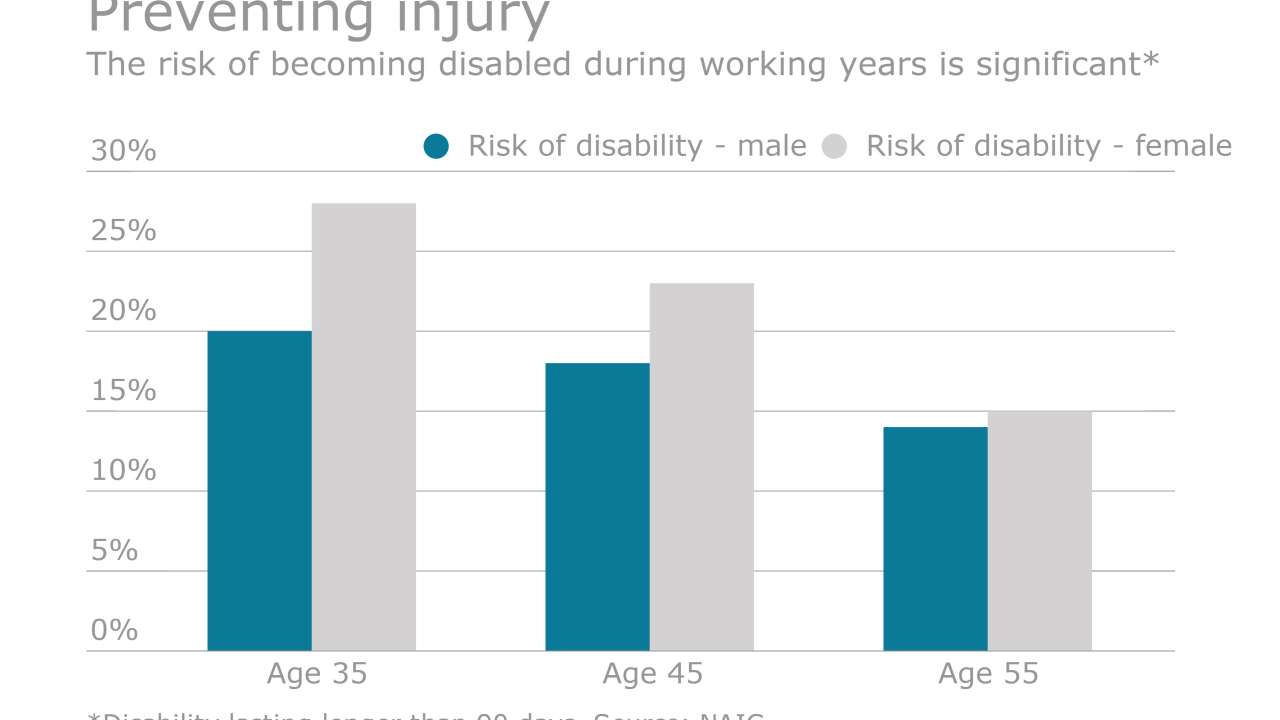
Advisers can make use of these best practices to lower the costs and increase the effectiveness of employer disability programs.
March 17


