Benefits Think Are wellness plans at risk?
Concerns over privacy and reimbursement programs have cast a shadow on these popular and beneficial programs.
Jake Glover
Population Health Alliance
Follow Us
© 2026 Arizent. All rights reserved.

Concerns over privacy and reimbursement programs have cast a shadow on these popular and beneficial programs.
Many pharmacy benefit managers promote discounts and drug rebates that may look good on paper, but often provide no transparency of true costs. This can result in employers paying much more than they should.
At a broker conference, Senate Majority Leader Mitch McConnell and Democratic Whip Steny Hoyer give the impression that the internecine battle over healthcare is over for 2018.
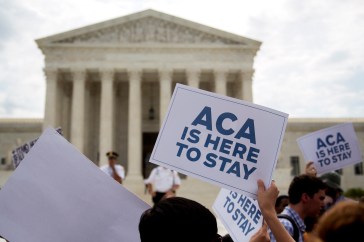
A majority of employers and industry insiders surveyed by Venrock are worried the effort is going to “face substantial challenges and take lots of time.”


Concerns over privacy and reimbursement programs have cast a shadow on these popular and beneficial programs.
Often overlooked, the benefit could provide much-needed relief to employees who need income replacement.

Many pharmacy benefit managers promote discounts and drug rebates that may look good on paper, but often provide no transparency of true costs. This can result in employers paying much more than they should.
Brokers can use advanced data analytics to drive partnerships with self-insured employers, says Advanced Plan for Health’s Neil Godbey.
The knowledge that employers are paying claims can dramatically change employees’ entire outlook on health benefits and total compensation, says CBIZ's Zack Pace.

Adviser Kimberly Eckelbarger shows clients how to increase earnings by right-sizing their health plans.

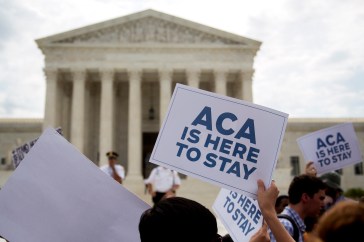
At a broker conference, Senate Majority Leader Mitch McConnell and Democratic Whip Steny Hoyer give the impression that the internecine battle over healthcare is over for 2018.
We rank the five leading large-group employee benefit insurance carriers in 17 different industrial sectors.

Participation among millennials has soared to 76%, according to Benefitfocus.

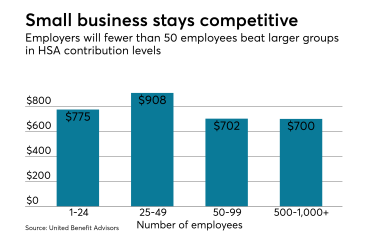
Often overlooked, the benefit could provide much-needed relief to employees who need income replacement.
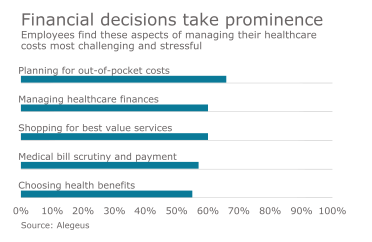
But a recent study finds that despite rising engagement levels making smart healthcare purchase decisions is still a struggle.
Fidelity Investments’ annual cost estimate is new motivation for employers to step up efforts in helping employees plan for medical expenses during their post-work years.
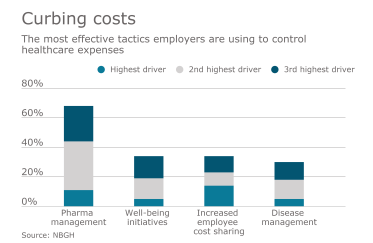
Workers are becoming better medical consumers, but could still use help from employers when it comes to understanding some of the finer details, NBGH says.

Companies should build a culture of tolerance, educate employees so they can challenge misconceptions and offer benefits that make seeking care convenient and private.

Participation rates are way up, presenting advisers with new opportunities.
EBRI analysis of five surveys show enrollment trending down over the past decade, but bullish signs persist.

Couldn’t load more articles. Try again.