How to serve a multi-generational workforce
Offer employees plan options and help them connect health and financial wellness among one expert's recommendations.


Follow Us
© 2026 Arizent. All rights reserved.

Offer employees plan options and help them connect health and financial wellness among one expert's recommendations.
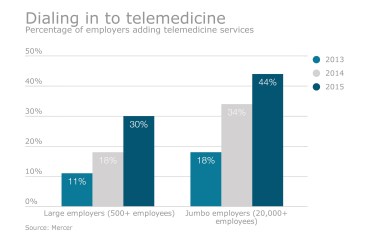
The use of telemedicine is growing, with almost two thirds of organizations offering or planning to offer such a service by 2018.

As a result of the Affordable Care Act, employers are looking for their brokers to do more than simply provide a health insurance quote.

Why legal experts say the recent SCOTUS decision on state healthcare database laws relieves plan sponsors from burdensome reporting requirements.

Expert Michael Lujan provides insights on how advisers can deal with the technology advances changing the market

Large employers are accustomed to intricate benefit rules, including those pertaining to the shared responsibilities of related businesses, but the ACA now requires individualized rather than consolidated reporting.

For employers, understanding millennials’ preferences and tailoring their benefits offerings are imperative to enticing these workers to enroll.
New regulations are exceedingly complex, and the penalties for non-compliance are steep.

Twenty- and thirty-somethings preferences will determine how medical benefits are offered.
Acts of terror are unpredictable. But employers should address the risk and ensure business continuity plans are in place.

Premium increases continue to motivate employers to consider cost-saving solutions they previously may have shunned, says Arthur J. Gallagher’s Paul Fetterolf.


In light of the Supreme Court’s decision in Gobeille v. Liberty Mutual Insurance, health plan sponsors can breathe a sigh of relief knowing they will not be subject to burdensome state reporting rules.
How brokers can help businesses with heavy seasonality face unique benefit challenges.

Advisers should focus on working with employers to utilize smart benefits technology to create individualized programs that appeal to every worker.

Employers need to analyze their workforce and then find out from employees – through whatever means possible – what benefits are working for them and which aren’t.

Employer-sponsored health improvement programs must strive to include sleep as a key element of good health. Here are three strategies benefit managers can use to encourage better sleep habits among workers.

How employers design benefit packages is changing, leading many to rely on their brokers more than ever before, says Rodger Bayne.

The high court rules Vermont cannot force self-insured plans governed by ERISA to release data on the insurance payouts.


Expert panel at EBA’s Workplace Benefits Renaissance event say clients are now receptive to telemedicine, self-funding and other solutions they previously dismissed.

Professional Employer Organizations help SMBs focus on building their companies while still maintaining day-to-day control over managing employees.