3 mistakes people make with retirement withdrawals
Not tapping tax-deferred retirement accounts until the age of 70 1/2 can be a wrong move, as required minimum distributions can be big enough to push retirees to a higher tax bracket.

Follow Us
© 2026 Arizent. All rights reserved.

Not tapping tax-deferred retirement accounts until the age of 70 1/2 can be a wrong move, as required minimum distributions can be big enough to push retirees to a higher tax bracket.
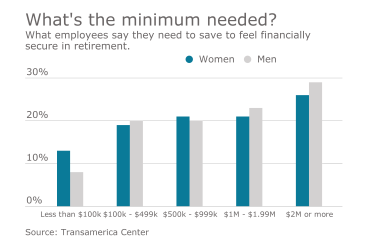
Employees often don’t save enough, and few utilize auto-escalation.
Employers need to help their workers understand and prepare for additional medical charges when they stop working.

Rates are likely to remain low, which will have a negative effect on retirees and older workers who are adjusting their portfolios in preparation for retirement.

Rates are likely to remain low, which will have a negative effect on retirees and older workers who are adjusting their portfolios in preparation for retirement.

In a perfect world, the largest expenses in retirement would be for fun things like travel and entertainment. In the real world, retiree healthcare costs can take an unconscionably big bite out of savings.

Women are spending fewer years being married, new research finds, a change that “has significant implications for financial planning.”
With the goal of improved participant outcomes, a simplified approach using straightforward language could be more attractive to employees.
Participants don’t need a million choices to save successfully for retirement.

The sheer number of modest, inactive 401(k)s — along with the friction in the industry that makes it difficult to seamlessly transfer the balances from plan to plan as participants change jobs — is causing a lot of undue stress.

Bob Judd, managing partner at Beltz Ianni & Associates, guides plan sponsors as they reduce expenses and boost participation.

Plan sponsors must continue to offer automatic plan features and do a better job of vetting target-date funds.
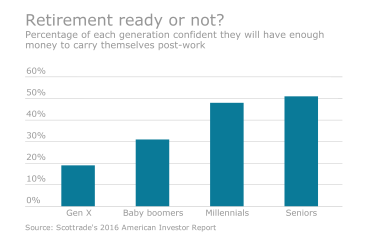
Workers should start shoring up their savings by chipping in as much as they reasonably can to their employer’s retirement plan, especially if it comes with a matching contribution.
The sheer number of modest, inactive 401(k)s — along with the friction in the industry that makes it difficult to seamlessly transfer the balances from plan to plan as participants change jobs — is causing a lot of undue stress.
Employees often don’t save enough, and few utilize auto-escalation.
Plan sponsors must continue to offer automatic plan features and do a better job of vetting target-date funds.
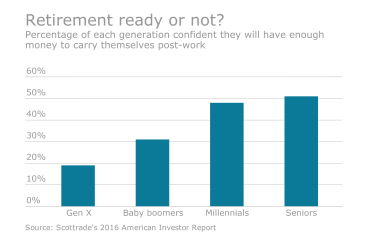
With the goal of improved participant outcomes, a simplified approach using straightforward language could be more attractive to employees.
The amount that can be transferred is equivalent to the HSA's annual contribution limit, which is $3,400 for singles and $6,750 for couples.
Companies need to do a better job of offering opportunities, such as flexible work arrangements, to employees who want to stay on the job longer.

These two accounts are both funded with money that has already been taxed, but there are still important differences that clients need to know.