Most heavy smokers don’t want to know if they have cancer
A new study found that fewer than 2% of heavy smokers in the U.S. get recommended lung cancer screenings.

Follow Us
© 2026 Arizent. All rights reserved.

A new study found that fewer than 2% of heavy smokers in the U.S. get recommended lung cancer screenings.
The retail giant is rolling out the tool to its 1.5 million employees in an effort to boost wellness by “increasing engagement, improving health awareness and reinforcing healthy habits every day.”


Rather than focus attention — and dollars — on getting workers fit, employers are beginning to zero in on helping them manage chronic illness.
The deal gives the digital health company additional resources to address the needs of employees with chronic health conditions.

The deal gives the digital health company additional resources to address the needs of employees with chronic health conditions.

After the advocacy group that represents older Americans challenged the EEOC’s wellness regulations, employers must take a hard look at how they want to proceed with their programs.
Mental health programs are a fine start but psychoeducation could help workers identify and deal with depression and anxiety.
Employers must take action to address the mental health among their employees.

Mental health programs are a fine start but psychoeducation could help workers identify and deal with depression and anxiety.
The percentage of employers offering benefits including telemedicine, stress reduction programs and 24-hour nurse lines jump to accommodate an always-on workforce.
Companies should build a culture of tolerance, educate employees so they can challenge misconceptions and offer benefits that make seeking care convenient and private.

Employers must take action to address the mental health among their employees.
The percentage of employers offering benefits including telemedicine, stress reduction programs and 24-hour nurse lines jump to accommodate an always-on workforce.
Concerns over privacy and reimbursement programs have cast a shadow on these popular and beneficial programs.
Concerns over privacy and reimbursement programs have cast a shadow on these popular and beneficial programs.
Workers are becoming better medical consumers, but could still use help from employers when it comes to understanding some of the finer details, NBGH says.

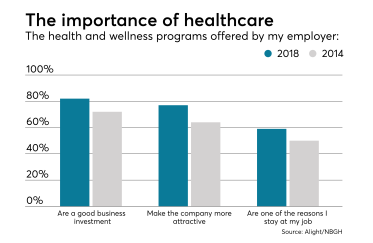
Companies should build a culture of tolerance, educate employees so they can challenge misconceptions and offer benefits that make seeking care convenient and private.
From healthcare costs and time and attendance, stress can have a big impact on workers. But employers in these states have a big advantage.
Addiction recovery costs are skyrocketing for companies, but employee education on drug usage can help stem the tide.
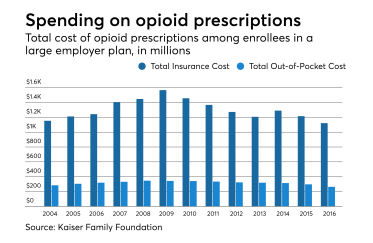
Employees are putting more and more on their plates, making it challenging to remove themselves from work to get a recharge. These 29 jobs, however, break the mold and allow workers to find the time to unwind.