- Key Insight: Discover how analog tools are repurposed to reduce digital overload and improve focus.
- What's at Stake: Persistent screen overload threatens productivity, collaboration and employee mental-health outcomes.
- Supporting Data: Employees spend over 75% of their workday on screens — roughly seven to ten hours.
- Source: Bullets generated by AI with editorial review
As
The average employee spends more than 75% of their workday on screens, according to online learning platform UniAthena, amounting to roughly seven to 10 hours a day. In an effort to help minimize that level of exposure for employees, merchandise company MOO is building a wellness strategy
"Digital noise was already loud, but it's probably tenfold louder now," says Toby Hextall, head of design at MOO. "By designing really well-crafted physical tools, we can create a healthy and effective alternative to just being in digital spaces."
Read more:
Employees are often onboarded with a laptop and immediately immersed in a digital environment filled with countless
MOO's mission also seeks to address employee
"These are the kinds of details that people really appreciate and eliminates some of the pressure they feel to perform a certain way," Hextall says. "It's really important for managers and leaders to give their employees tools that are a little bit looser and a bit more playful, whether it be a notebook or a planner that almost grounds them in the present."
Read more:
Return to the basics
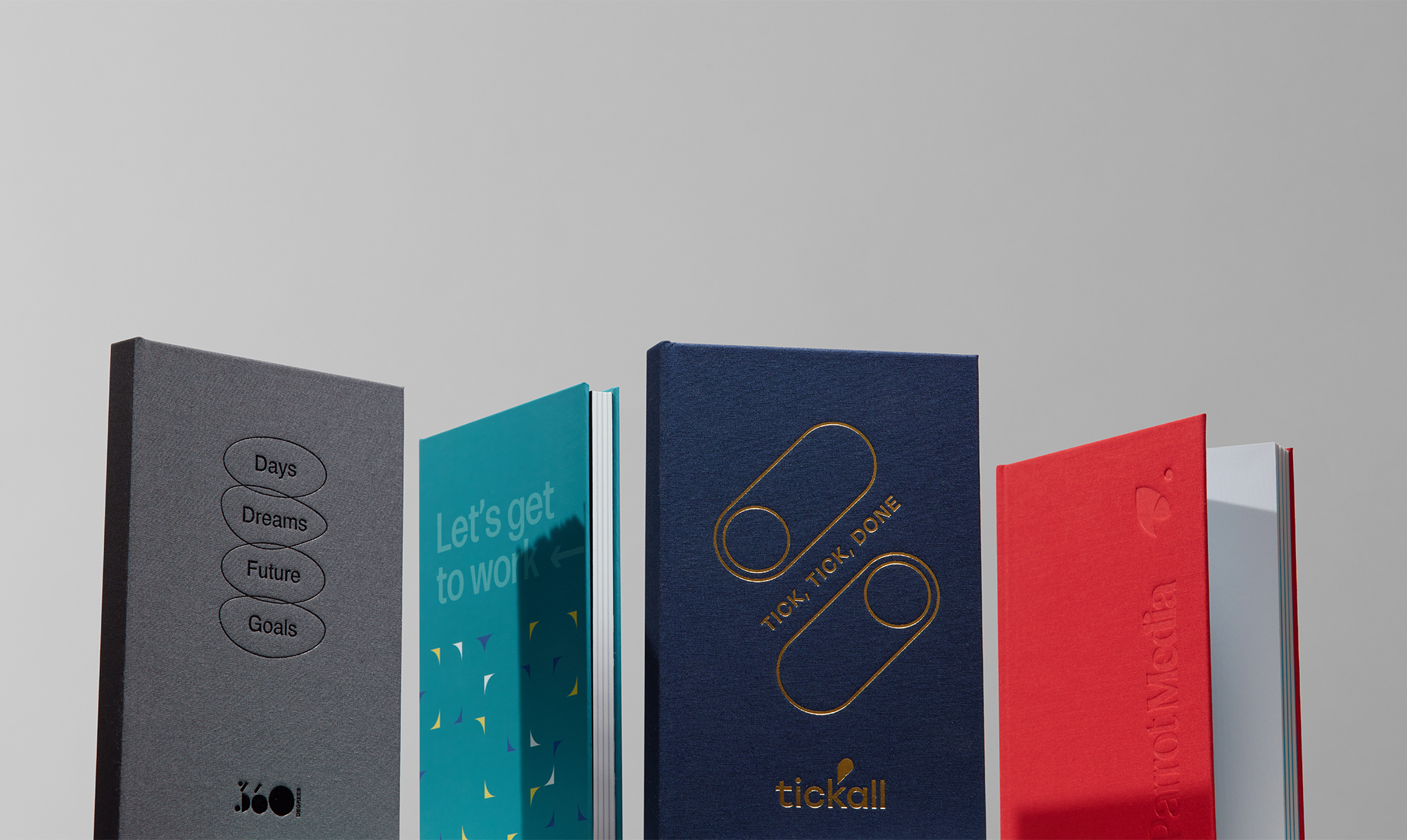
MOO's approach was born from the theory that the items people carry and wear in professional settings can subtly influence their mindset and performance. For example, having well-designed physical tools like quality stationary can create a sense of confidence and pride, reinforcing the feeling of being prepared and capable, Hextall says. A good notepad can encourage employees to write down ideas and tasks they need to do that week and display it on their desk right in front of them, which could
Hextall said his team has already seen
"As we move forward, the value in truly analog experiences is going to become more important and there's going to be more of them," Hextall says. "The workplace's aesthetic is going to shift and we're going to see more color and more playfulness in those office stationary items."