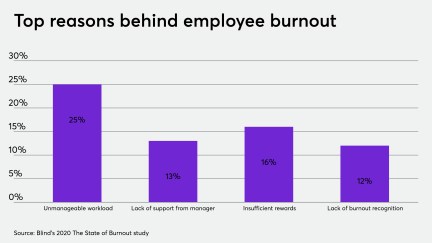
4 warning signs that your workers might quit
A deterioration in work productivity and increased tardiness are just a couple of the signs employers need to look out for.


Follow Us
© 2026 Arizent. All rights reserved.

A deterioration in work productivity and increased tardiness are just a couple of the signs employers need to look out for.
As post-pandemic life approaches, companies are eager to have their employees back in the office — at least sometimes. Here are three questions leaders should ask themselves as hybrid work becomes more commonplace.

While jokes are often made about "that time of the month,'' menstrual issues can have serious consequences for women’s physical and mental health.

Smart business leaders realize the value of HR in creating an environment where employees can thrive and want to remain, says Tami Simon, corporate consulting leader at Segal.

An overwhelming majority of workers are currently considering changing jobs, according to a poll from Monster.
Bed Bath & Beyond will offer full and part-time employees more paid leave and financial assistance as part of their on-going business strategy.

Products that help make a hybrid workplace easier are becoming increasingly important as companies face resistant employees who don’t want to go back full time.

Employers and employees don't agree on what a return-to-normal looks like in a post-COVID world. But to move forward with success, they must see eye-to-eye.

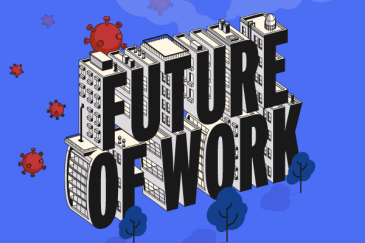
The pandemic's damage maybe felt in the workplace long after the disease has receded.

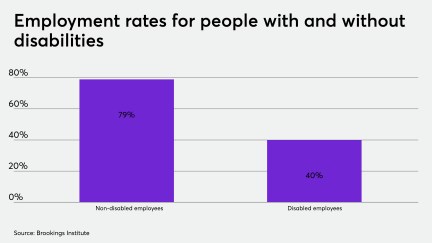
With more employees preferring a work-from-home setting, positions will also be up for grabs and disabled workers have proved to have both the skills and motivation to fill them.

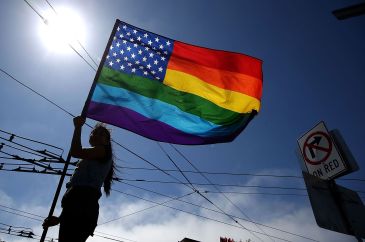
These employers have been rated as some of the most inclusive for LGBTQ workers.
In spite of a year of record-breaking unemployment and job insecurity, Americans are digging their way out.

Benefits that truly help employees take control of their health and create a more loyal workforce.

Providing incentives to get people to do what others think they should is almost always superior to punishing them for defying those wishes.

The drive for $15 has succeeded simply by resetting Americans’ idea of what a reasonable wage should be.

Employees have embraced remote work and do not want to return to the office, regardless of the safety measures in place.
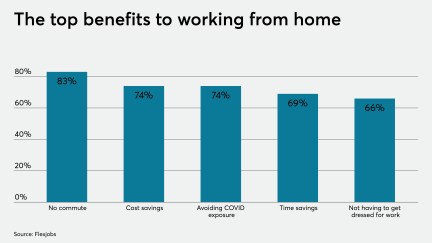
Our top stories from the week address how employers can appease the needs of their employees.

Frequent testing can facilitate the re-opening of businesses and keep infection rates low once they do.

Algorithms might just absorb the same prejudices employers are trying to avoid if they don’t acknowledge racial biases.

The first step in improving workplace diversity is de-stigmatizing financial help.
