Why benefits are a secret weapon for navigating healthcare staff shortages
A talent expert from MedPro Healthcare Staffing shares how flexibility, wellness, AI tools and professional development factor into overall employer care.

Follow Us
© 2026 Arizent. All rights reserved.

A talent expert from MedPro Healthcare Staffing shares how flexibility, wellness, AI tools and professional development factor into overall employer care.
From improving access to care to investing in better benefit data collection, being proactive is the key to keeping costs low.


A partnership with Bright Horizons, caregiver PTO and mental health support allow people to care for loved ones and mind their own wellness.

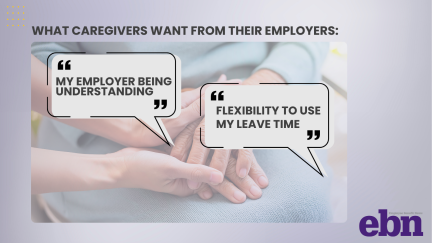
Data and feedback from working caregivers empowers benefit leaders to provide better support.
Using real insights for benefit packages can improve health outcomes and control healthcare costs long-term.

Helping clients define what constitutes top talent can set the stage for shifting the best employees to better roles.

Leaders should be surveying their workforce populations to understand how to best support them through high-stress periods.

Recent data from the Federal Reserve Bank of New York found more than 1 in 3 American households couldn't come up with $2,000 to cover an unexpected expense.


For a workforce devoted to caring for others, removing obstacles to things like physical, mental and financial well-being are essential.

Research from ezCater shows employees love the idea of an office-hours event with good food and connection, with Gen Z needing extra attention.

A new survey shows a gap between women's and men's desire to seek promotions – the first in 11 years.

Learning new technology skills can help employees free up valuable time and stay with their companies longer.
As employers demand workers be on-site, they'll need to think beyond reimbursements as part of the package.
A sense of purpose, friendly competition and updated technology help make meetings more effective.
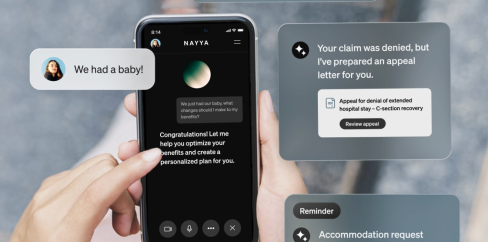
Nayya's AI-powered platform makes proactive suggestions and reduces administrative tasks during the benefit process.
Better benefits, training and a supportive work environment can manage employees and reduce turnover.

Leaders who foster a culture of acknowledgment improve retention and build more engaged, connected teams.
Facing high turnover, particularly among Gen Z, U.S. employers are expanding basic retirement benefits into full-scale financial counseling to cultivate appreciation and security among staff.

With the quick pace of professional change, employees need to be equipped with marketable skills that help them move up.

Cooper Zelnick explains how finding the right treatment program can lead to life-changing outcomes for employees struggling with substance use disorder.