Benefits Think How to combat the 6 health conditions that most undermine productivity
Employers need to work to address employee depression, migraines, obesity, diabetes, arthritis and cancer.
Follow Us
© 2026 Arizent. All rights reserved.

Employers need to work to address employee depression, migraines, obesity, diabetes, arthritis and cancer.
Here are ways to combat the six most common health conditions that undermine productivity.
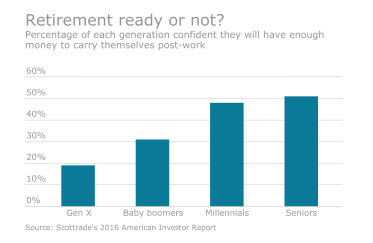
Many Gen Xers do not have enough retirement savings even as they approach their peak earning years.

The drug supply chain is being drawn even more taut, and the power of the big players even greater.

Walmart has been buying health care for its workers directly from providers in six different regions – bypassing insurers who usually negotiate with doctors and hospitals.

The plans already offer employees strong coverage – and carriers are making their plans even.
White House, states calling for greater price transparency and accountability.

Many firms aren’t satisfied with their prescription drug costs — but there are ways to change that problem, says consultant Chuck Reynolds.

The plans already offer employees strong coverage – and carriers are making their plans even.
A trio of EBA Rising Stars discuss the challenges of working in their father firms, why new ideas matter and what impact Amazon and Apple will have on healthcare’s future.

ERISA attorney and benefits adviser Suzannah Gill teaches middle-market employers how to manage their healthcare costs.


Employers take note: Industry expert Lindsay Resnick says runaway costs are driving employers of all stripes to reject the benefit market’s status quo.


Collective Health Inc. has raised a fresh infusion of investor cash as it seeks to win over more firms frustrated with a fragmented, costly market.

By understanding what goes into prices, employers can have leverage at the negotiation table with the insurance carrier.

The annual limitation on deductions for an individual with family coverage will be $6,850 in 2018, $50 less than previously announced.

The American Benefits Council and the U.S. Chamber of Commerce are among the organizations calling on Congress to pass proposals that would establish a premium reduction program.

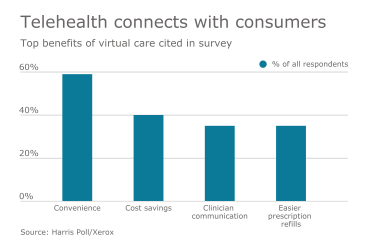
Workers say they like the idea of virtual care, but employers face an uphill battle when getting them to forego the ER or urgent care center.
Today’s healthcare providers are largely unaccountable and unaudited in terms of their pricing and underlying costs.
By understanding what goes into prices, employers can have leverage at the negotiation table with the insurance carrier.
Large U.S. businesses, including American Express and Verizon, came together two years ago to form Health Transformation Alliance, which has now doubled in size.