Benefits Think Advisers rise to meet the COVID-19 challenge
COVID-19 has forced changes in work behavior as employees adjust to a new reality. Here’s how the Advisers of the Year did it during a year of massive disruption.
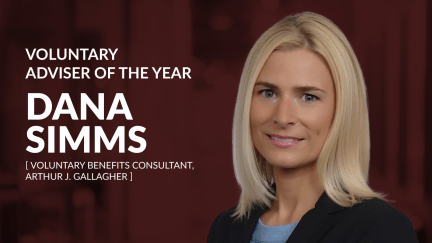
“The difference in our whole office, as far as how it looks at voluntary benefits, has totally taken a complete turn,” says Kathy Passantino, area senior vice president at Gallagher, of her colleague Dana Simms.
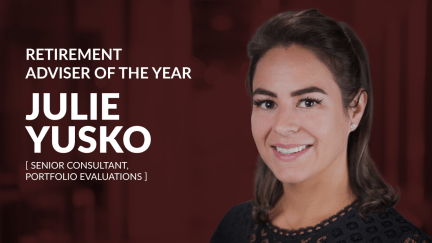
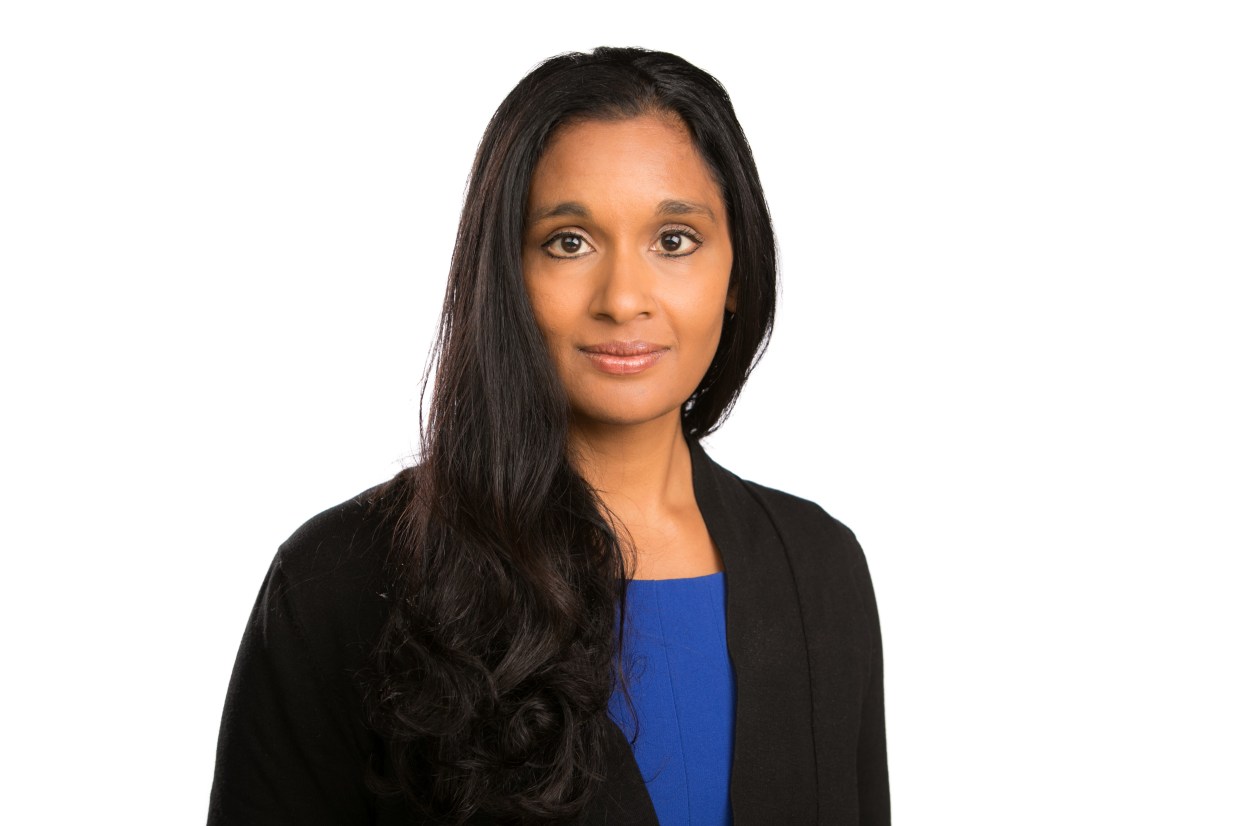
“I’m on track in saving for retirement because from a young age I learned these things,” says Adviser of the Year winner Julie Yusko. “I hope my experience can help others be in the best position so that we have fewer people who are approaching retirement age and wondering how they're ever going to retire.”
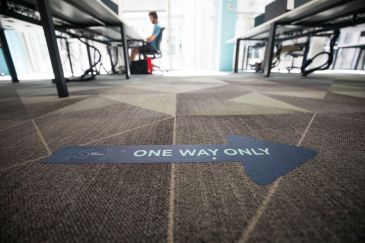
Temperature checks and plexiglass barriers between desks can't prevent one of the most dangerous workplace behaviors for the spread of COVID-19 — the irresistible desire to mingle.
One out of four women said they may downshift their careers or leave the workforce entirely, threatening decades of career progress for female employees.
Hotels are launching work-from-hotel programs, through which operators not only offer workspace in hotel rooms, but also provide wifi, business support, refreshments and use of other facilities.
Nearly one-third of respondents said they would be uncomfortable getting back to offices, shops and factories, while half said their greatest concern was contracting the disease at work.
“If we need to cut some profit to be able to make sure that people can relax and take a deep breath and be there for their kids and get through this pandemic together, then that’s what we’re going to do," says Melissa Wirt, founder of Latched Mama.
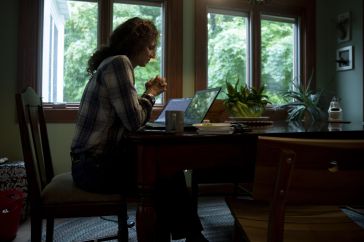
COVID-19 has many professional women reevaluating their priorities.
Employee mental and cognitive health has deteriorated since the start of COVID-19, but managers can intervene by taking some important steps.
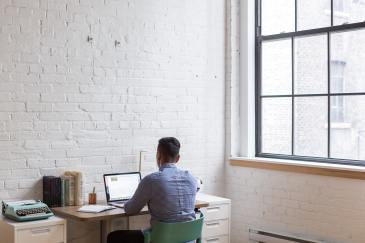
Bosses should do more to make the work-from-home experiment palatable and safe for all involved by subsidizing utility bills and workspace equipment, and changing managerial habits, with more trust given to employees.
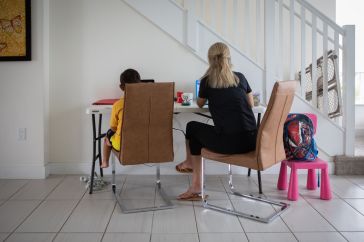
Many of your employees will be seeking guidance, as they struggle with the decision to send their child back to school.
Economic insecurity, changes to work and life patterns and isolation are taking a toll on employees. How can employers help?
Mobile-first communication can help employers better communicate with their non-desk workforce.
To protect client nest eggs, advisors must know which savings vehicles are protected — and they’re not all created equal.
Many employees who were given the option of working from home are itching to learn what comes next with return-to-work plans.
Health Advocate has launched a return-to-work solution to support employers as they develop and implement workplace reopening plans.
Pinterest canceled a large office lease at a building to be constructed near its San Francisco headquarters, marking one of the most significant moves yet by a big tech company to scale back real estate plans amid the COVID-19 pandemic.
School closures will continue to impact the labor force participation rate for women, who generally take on a greater share of childcare obligations.
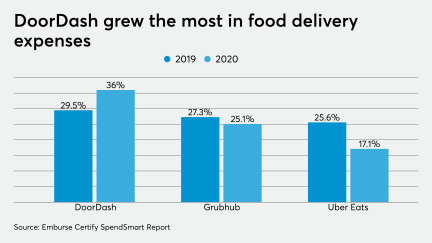
The novel coronavirus pandemic led to a transition from employer-provided meals to food delivery services arriving at employee homes, as workers all but eliminated their travel expenses, according to a new report.