Sequoia Consulting Group’s software solution offers employers options for returning to work
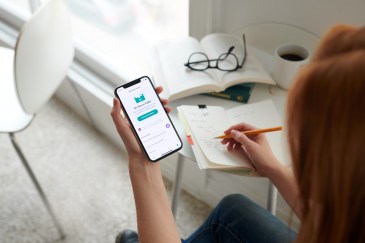
“Employees really want to feel if they are going back to the office that they will be safe,” Sequoia CEO Greg Golub says.


Follow Us
© 2026 Arizent. All rights reserved.

“Employees really want to feel if they are going back to the office that they will be safe,” Sequoia CEO Greg Golub says.
“We read this as an occasion to really integrate women's health with children's health, and that the combination of that integrated support is what makes happier and more successful working parents,” says Erik Lumer, chief product officer at Maven.
“As that complexity has grown, it was important for us to make sure that we continue to invest in capabilities that are going to be the necessities that employers are looking for,” says Voya executive Lou Strippy.
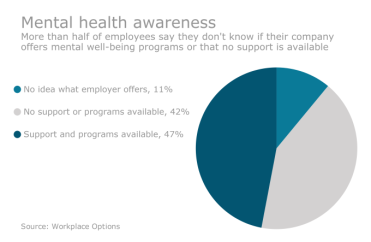
“It is critical for employers to actively demonstrate their commitment to mental health parity. Fear and stigma can only be overcome when employees believe their workplace provides a safe environment,” says Dr. Eric Hart, chief medical officer of Healthstat.
Workplace strategies and benefits need to support employees during a crisis that address the whole person — financial, connectedness, and physical and behavioral health.

As states around the country attempt to restart their economies, lack of child care will continue to keep some people — mostly women — from getting back to work.
The partnership gives employees access to preventive care, discounts on supplies, and free veterinary consultations.

Leave-sharing programs make sense for employers seeking tax-efficient opportunities to financially assist employees impacted by the pandemic.

“Helping bring broader benefits to more employees is particularly important during these challenging times,” says Neil Vaswani, CEO of Corestream.
“The mindset has shifted in terms of how we need to be able to lead and support a virtual workforce,” says Edward Jones CHRO Kristin Johnson.

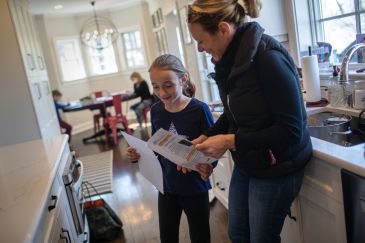
The coronavirus has highlighted the importance of child care benefits.

Now more than ever, employees need options for meeting their short-term financial needs without compromising their long-term finances.

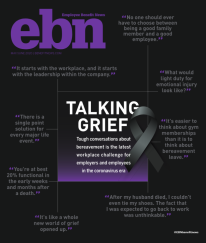
Social isolation of colleagues who may be grieving is a unique part of the crisis that is adding more mental strain on the workplace.
Providing nutritious food options for employees lowers healthcare costs and drives productivity and engagement.


Employee Assistance Programs can be effective tools in engaging and helping employees improve their mental health, but are offered by just 32% of organizations.
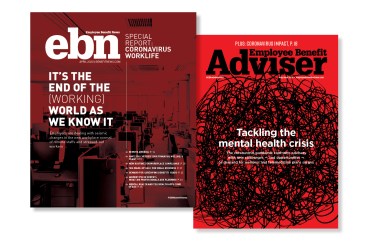
The age of coronavirus means disruption beyond what most people imagined, forcing profound changes in how we work and live.
For a veterinarian, the emotional aspects and financial strain of their profession can have a lasting impact on their mental health.
As businesses downsize due to the coronavirus pandemic, employers want to provide workers with alternative health and well-being benefits.
The situation points to the increasing need for an on-demand earnings alternative.

“After my husband died, I couldn’t even tie my shoes,” says Emma Payne, founder of Grief Coach. “The fact that I was expected to go back to work was unthinkable.”