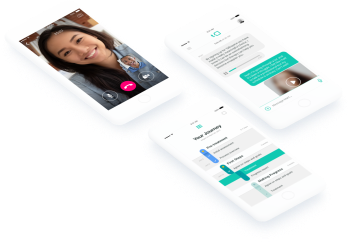
Talkspace digital EAP seeks to reinvent decades old benefit
Employee Assistance Programs can be effective tools in engaging and helping employees improve their mental health, but are offered by just 32% of organizations.

Follow Us
© 2026 Arizent. All rights reserved.

Employee Assistance Programs can be effective tools in engaging and helping employees improve their mental health, but are offered by just 32% of organizations.
Health insurance, benefits and HR platforms are at the forefront of helping businesses navigate unprecedented challenges brought forth by the pandemic.


COVID-19 has created significant disruptions in all our lives, but we don’t have to succumb to the pressures of combining our work habits with our home life.

For advisers and their clients, the crisis has ushered in a new era for mental health, caregiving and telemedicine platforms
The age of coronavirus means disruption beyond what most people imagined, forcing profound changes in how we work and live.
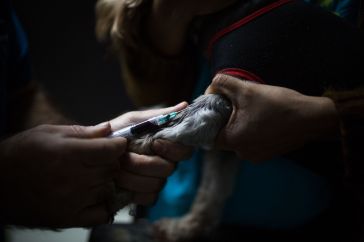
For a veterinarian, the emotional aspects and financial strain of their profession can have a lasting impact on their mental health.
As businesses downsize due to the coronavirus pandemic, employers want to provide workers with alternative health and well-being benefits.
The situation points to the increasing need for an on-demand earnings alternative.

“After my husband died, I couldn’t even tie my shoes,” says Emma Payne, founder of Grief Coach. “The fact that I was expected to go back to work was unthinkable.”


According to some estimates from a leading national health insurer, there could be more than 2.3 million people who will seek elective surgeries in the coming year.

A retirement expert advises employers on helping workers save for the future during this pandemic.


One in five people will experience a mental illness within a given year, according to the Centers for Disease Control and Prevention. However, 70% never seek treatment.
The CARES Act waiver of penalties for premature 401(k) withdrawals may hurt the very American workers and families the Act is supposed to help.

Now is an “opportunity to advance the conversation around mental health and well-being,” says Aetna’s head of behavioral health.

Many carriers are choosing to automatically continue coverage for all employees for a specified period of time, or are extending eligibility for employees whose status has changed.
A partnership with financial wellness benefit, Branch, ensures hourly employees are paid after every shift — an essential need for many during the COVID-19 pandemic.

The coronavirus pandemic has demonstrated how incompatible the workday is with raising children.

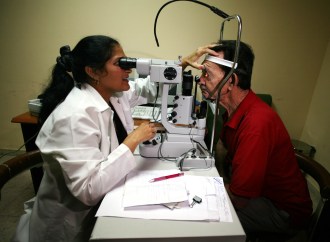
“Inclusion programs for the low vision community are critical, though these programs are being challenged by the impact of COVID-19,” says Robert Vaters, CEO of eSight.
Workers who make at least 60 deliveries a week can apply for the family care stipend, according to a Postmates spokeswoman.

Employees who are still at work now have a vested interest in adding financial protections for themselves and their families — whether it comes through supplemental health coverage or additional welfare coverage.