Benefits Think How smart companies are revolutionizing benefits enrollment
With November 1 fast approaching, here is a guide to making sure benefit offerings and communication are set up for maximum engagement.
Follow Us
© 2026 Arizent. All rights reserved.

With November 1 fast approaching, here is a guide to making sure benefit offerings and communication are set up for maximum engagement.
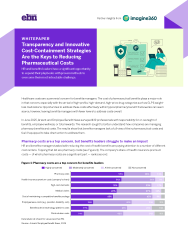
HR and benefits leaders have a significant opportunity to expand their playbooks with proven methods to overcome their most intractable challenge.
The growing pay gap is harmful to women's employee experience. Tailored offerings can help.


The majority of Gen Z are using social media like TikTok and Instagram to learn about benefits instead of relying on benefit leaders.


The director of benefits at Faith Technologies shares how healthcare costs are impacting caregivers, and how AI is streamlining the benefits engagement process.

Access to resources and a work environment that prioritizes well-being makes workers less stressed and more motivated to perform.

With careful planning, data and creative thinking, benefit leaders can reduce costs and boost outcomes for employees.

Employees want more help with their benefits — leveraging technology can help leaders keep up with those needs.

Economic uncertainty has hindered pay increases, making valued offerings essential for getting and keeping valuable talent.

Pressure continues to mount on producers to deliver more customized benefit packages and consultative services to satisfy the needs of more demanding clients.


A new survey by Equitable finds that tailor-made messaging is more important than ever.

More women than men provide benefits for their household, but research shows they are behind in their financial literacy and benefits education.

New Vanguard research finds workers with access to defined contribution plans are twice as likely to reach retirement goals.


Women need better dental care in the form of additional cleanings, more expansive coverage and access to oral health information.

Being attuned to what young workers are looking for can help employers meet them where they are and bring fresh talent on board.

A new survey from financial services organization TIAA polled 1,000 adults and found that nearly half don't make enough money to save.

The financial health of employees is not just a worker issue. It's a business issue: Financial stress costs U.S. employers $183B annually in lost productivity. As HR and benefits leaders navigate budget constraints, ROI expectations, and capacity to support the financial wellness of their workers, explore how intentional workplace benefits can unlock both employee financial health and business value.
A financial expert from Vestwell explains how to guide workers through their options, and how to get them back on track.

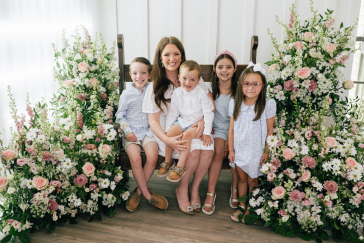
Chelsea Brignac shares her journey of adopting her three children and fostering over 50 more.
These benefits can transform your workplace into a space where your team can truly thrive.