Benefits Think 6 checkpoints for benefits vendor compliance
Ensuring suppliers meet regulatory requirements is imperative. Don’t cut corners, says Maestro Health CEO Rob Butler.

Rob Butler
Maestro Health
Follow Us
© 2026 Arizent. All rights reserved.

Ensuring suppliers meet regulatory requirements is imperative. Don’t cut corners, says Maestro Health CEO Rob Butler.
In a keynote address at EBA’s Workplace Benefits Renaissance, two industry experts will share a blueprint of how to compete more effectively.


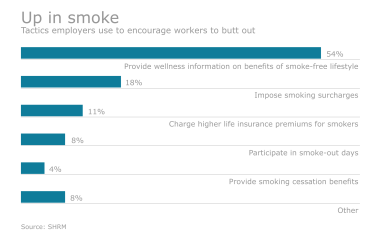
To meet legal requirements and realize savings in healthcare premiums, the implementation of smoking surcharges should be paired with a robust smoking cessation program, experts say.

The HR tech company admits to licensing compliance issues and launches new checks and balances to meet regulatory requirements


Six questions to ask when considering whether a benefit tech vendor is the right fit for an employer client.

Ensuring suppliers meet regulatory requirements is like buying a parachute or LASIK eye surgery: don’t cut corners and don’t be cheap, says Maestro Health CEO.
An initial consultation with a registered dietitian can cost as much as $200. Multiply this by the growing number of overweight and at-risk Americans, and employers could face a considerable cost increase.

An increased awareness about the correlation between these benefits and overall health is improving engagement.

As healthcare costs rise, Arthur Grutt says these loss-protection programs are gaining ground.

Reframing these options to illustrate how they enhance an employer’s benefit package can lead to increased engagement
The insurance industry has long been plagued by jargon, complexity and manual processes, says Veer Gidwaney. Technology can help, but employers need to do their homework.

No one technology solution is right for every employer. Documenting your needs and goals is the first step to determine the right service.
Employee Benefit Adviser interviews three senior life insurance executives on the role of advisers and how they see the market shifting in 2016 and beyond
The insurance industry has long been plagued by jargon, complexity and manual processes, says Maxwell Health’s Veer Gidwaney. Technology can help, but employers need to do their homework.
The fate of the ACA’s excise tax notwithstanding, employers continue to look at an array of options to rein in their healthcare costs.

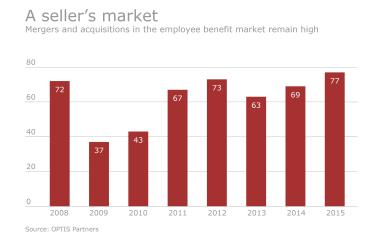
Low interest rates and new capital from private equity firms are driving demand, as baby boomer owners look to sell.

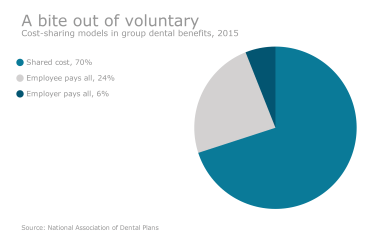
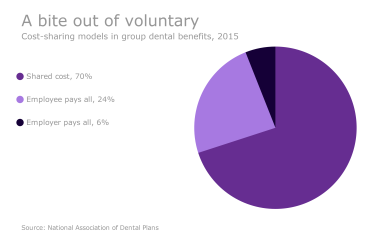
Even as employers increasingly shift the cost of these programs on to employees through voluntary plans, workers are seeing value in them.
Low interest rates and new capital from private equity firms are driving demand, as baby boomer owners look to sell.
Company has been under investigation by the state's Department of Insurance since last year, the agency disclosed.
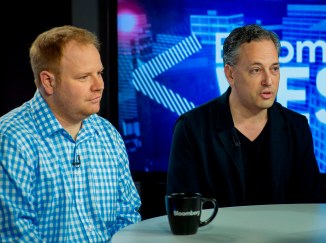
Concerns about the ACA’s excise tax remain, but high plan expenses are the bigger problem