Why benefit managers can’t ignore tech and AI any longer
AI can improve workplace efficiency and advance your business — but there are a few hurdles leaders still need to overcome.


Follow Us
© 2026 Arizent. All rights reserved.

AI can improve workplace efficiency and advance your business — but there are a few hurdles leaders still need to overcome.
From President Trump's spending cuts impacting government headcounts to widespread return-to-office mandates, hiring managers should be on top of these trends.


An open-communication policy and leadership training can make all the difference in a workforce's view of compensation decisions.

Employees in the education and health services industry have the lowest average monthly healthcare premium at $147.11.

Prioritizing comprehensive healthcare, financial wellness, flexible work policies, mental health support and virtual care provides a competitive edge.

After a surprise diagnosis, access to an end-to-end surgery benefit gave one employee a "new lease on life."


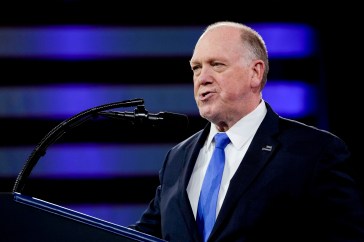
Border Czar Tom Homan plans to increase deportation efforts at workplaces within sanctuary cities.
The District of Columbia, Tennessee and Georgia sit atop the rankings of regions that recorded high concentrations of discrimination against pregnant employees.
Supporting women during mid-life stages is "very solvable" with the right offerings.

Alternative funding options proving to be nimble for small to midsize businesses with more localized needs and growing interest in direct contracts.

To keep workforces engaged, employers should be tailoring their strategies as much as they can.


Cults don't solely exist within spiritual organizations. An attorney from McAllister Olivarius shares why company leaders shouldn't go unchecked.

Almost one in 10 foreign clicks on U.K. postings came from the U.S. in the three months to March.

Boost morale and engagement at your company with team outings, wellness days and awards ceremonies.

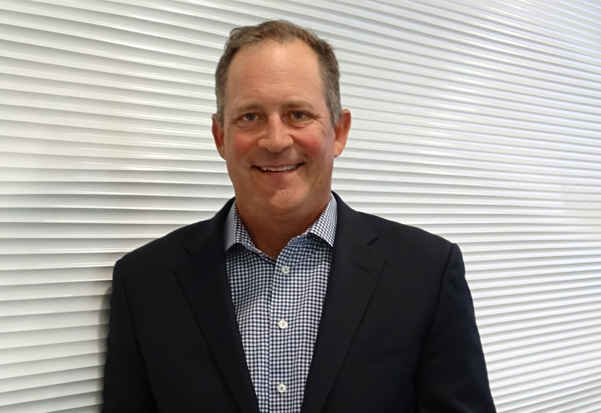
The CEO of Imagine360 explains how to focus on reducing costs while maintaining quality care.
Offerings that help workers take care of personal matters are just as important to the workforce as their health and wellness.

Employees at large companies with 500 or more workers typically have more access to paid leave.

Amid the movement away from the fully insured arena, small to midsize businesses increasingly are embracing captives, cash prices, AI and other avenues.
A strong belief in the need for family-friendly benefits has inspired some of the HR industry's heavy hitters to offer their expertise.

The ruling lifts a decision by a lower court to temporarily block the terminations of probationary employees.