Lifestyle benefits are the industry’s future
Voluntary benefits set employers apart in the war for talent; how do brokers choose which ones to bring to their attention?


Follow Us
© 2026 Arizent. All rights reserved.

Voluntary benefits set employers apart in the war for talent; how do brokers choose which ones to bring to their attention?
“If we don't have a game plan for how to educate employees, everything is for naught,” says Nick Rockwell, president at Eastbridge Consulting Group.

“We need to build health plans that incentivize employees to make better healthcare choices based on quality,” Jim Blachek, CEO of Dynamic Benefit Solutions, says.

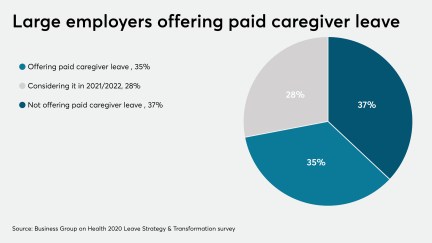
Advanced care planning is an opportunity for advisers to address caregiving with clients and boost the value this benefit brings to employers.
Benefits advisers need to look beyond healthcare and traditional benefits to account for financial stress, mental health and other factors, experts say.
To convince employer clients and prospects of the merits of DPC, advisers must present it in a way that offers a solution to control the total cost of care.

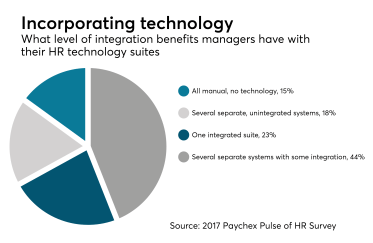
An effective benefits strategy should use tech to communicate and offer options for all employees.
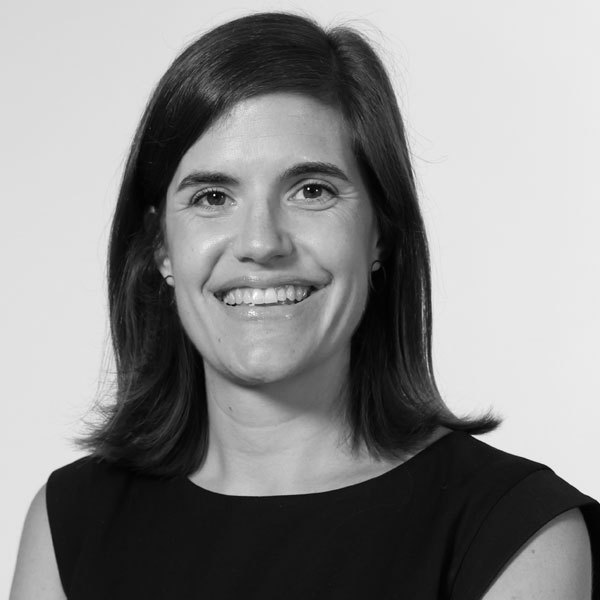

“That’s my favorite part about this job, that I get to be creative and bring those solutions,” says Rising Star adviser Danielle Schweiger.

Ed Ligondé, one of our 20 Rising Stars of 2019, used his own medical condition as inspiration to learn about healthcare — and improve employee benefits education along the way.


EBA’s annual conference delved deep into hot benefit trends and technology.

EBA’s annual conference delved deep into hot benefit trends, broker strategies and technology.
There’s a big “gap in strategy — or the lack thereof,” says Curtis Cannon of Axis Recovery. “A lot of brokers have a bolt-on mindset.”
Employers should partner with advisers to help workers understand offerings and make them more engaged year-round.

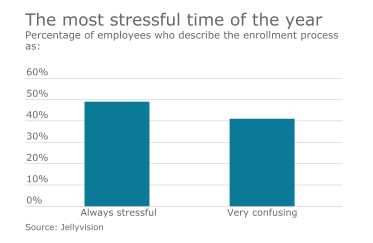
The company had issues with inconsistent messaging and "way too many medical plans." A partnership with Hodges-Mace and on-site enrollment counselors helped turn things around.

Technology alone won’t drive business for brokers, but when used correctly, it can make a good addition.
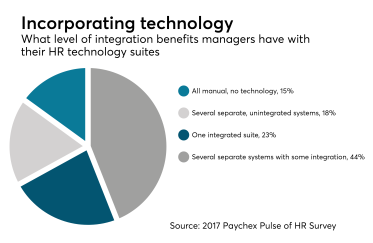
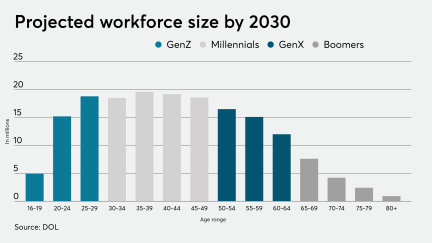
Millennials and Gen Z want more from their employers than the basic medical coverage. Learn how to adapt benefits to their needs as they age.
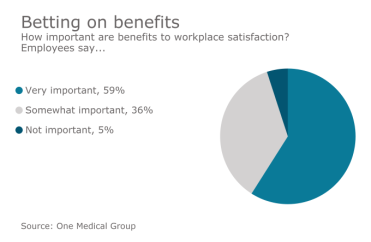
No one knows what the future of healthcare will be, but these experts say it needs to be simpler.

From Kentucky cementing its decision to discontinue payroll deductions for voluntary benefits to tax challenges clients take on, is the voluntary market on the edge of an evolution?
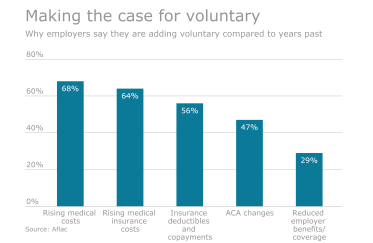
Direct primary care may be employers’ and brokers’ next hottest offering as the model has the potential to revolutionize the relationship between patient and physician.

Workers are stressed but firms can have trouble knowing what wellness programs to offer.